XO Sauce with Dried Scallop and Chilli
Hong Kong's luxurious chilli-seafood relish, built from dried scallops and given a smoked-chilli backbone.
Contents
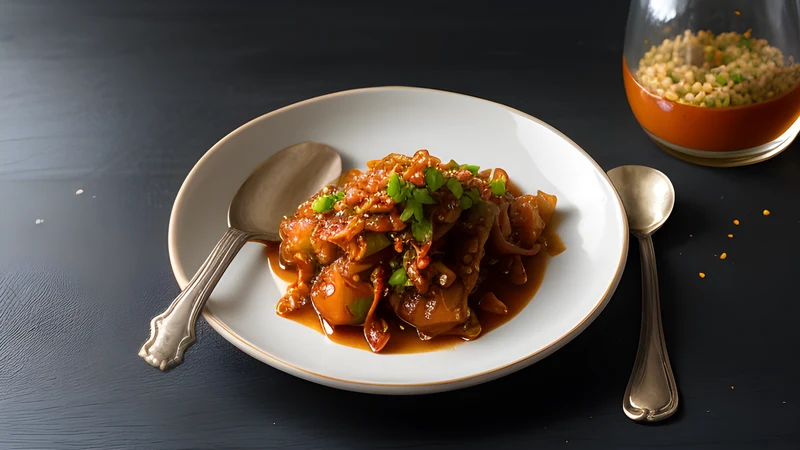
↓ Jump to recipeXO sauce is the most extravagant thing in my fridge, and a spoonful of it makes almost any plain bowl of noodles, rice or greens taste like it came from somewhere expensive. It is a chunky, oily, deeply savoury relish from Hong Kong, built on dried scallops and dried shrimp fried slowly with garlic, shallot, cured ham and chilli until everything crisps and the oil turns red and fragrant. Making it is a genuine weekend project — there is soaking, shredding and a long, slow fry — but the result keeps for weeks and turns a jar of concentrated umami into your secret weapon. The small change here is a spoon of smoked chilli flakes worked in alongside the traditional dried chillies, which lays a low, smoky note under the heat.
XO Sauce with Dried Scallop and Chilli
Ingredients
- 40g dried scallops (conpoy)
- 40g dried shrimp
- 60g cured ham (Jinhua, Serrano or prosciutto), finely diced
- 12 dried red chillies, deseeded
- 1 tsp smoked chilli flakes or chipotle flakes
- 8 garlic cloves, finely chopped
- 6 shallots, finely chopped
- 1 thumb ginger (about 20g), finely chopped
- 300ml neutral oil (groundnut or sunflower)
- 1 tbsp Shaoxing wine
- 1 tsp caster sugar
- 1 tbsp light soy sauce
Method
- Put the dried scallops in a small bowl, the dried shrimp in another, and cover both with just-boiled water. Soak for at least 30 minutes (scallops can take an hour) until softened. Drain, reserving 2 tablespoons of the scallop soaking water.
- Squeeze the scallops dry and shred them finely with your fingers into fine threads. Chop the softened dried shrimp roughly. Keep the two separate.
- Soak the dried chillies in warm water for 15 minutes to soften, then drain, pat dry and chop finely, or pulse in a small processor to a coarse rubble.
- Heat the oil in a wok or wide, heavy pan over medium-low heat. Add the shredded scallop and fry gently, stirring often, for 6–8 minutes until the threads turn golden and crisp. Lift out with a slotted spoon and set aside.
- In the same oil, fry the dried shrimp for 3 minutes, then add the diced ham and fry for 4 minutes until it renders and crisps slightly. Add the garlic, shallots and ginger and cook, stirring, over low heat for 12–15 minutes until everything is soft, deep gold and fragrant — patience here builds the flavour.
- Return the scallop threads to the pan. Add the chopped soaked chillies and the smoked chilli flakes, and fry for 3–4 minutes. Add the Shaoxing wine, sugar, soy sauce and reserved scallop water, and simmer gently for 5 minutes until the liquid cooks off and the oil turns red and glossy.
- Taste and adjust salt with a little more soy if needed. Cool completely, then pack into a sterilised jar, making sure the solids are submerged under the oil. It keeps in the fridge for up to a month.
A sauce named after a brandy, invented in a hotel
XO sauce is surprisingly modern. It was created in Hong Kong in the 1980s, most often credited to the kitchens of the Spring Moon restaurant at The Peninsula hotel, at a moment when the city was flush with money and appetite for luxury. The name is borrowed straight from XO cognac — “extra old”, the top grade of aged brandy — which in 1980s Hong Kong was the ultimate status symbol, the bottle you ordered to show you had arrived. Attaching that name to a sauce signalled the same thing: this was a premium condiment made from costly ingredients, dried scallops chief among them, and the label stuck. There is no actual brandy in it; the name is pure aspiration.
Dried scallops, or conpoy, are the heart of the sauce and the reason it is expensive. They are the adductor muscles of scallops, salted and sun-dried until they shrink to hard amber nuggets, and they carry an astonishing concentration of savoury, sweet-briny flavour — this is glutamate and related compounds at full strength, the same natural umami chemistry that makes aged cheese and dried mushrooms taste so deep. In Cantonese cooking conpoy is treasured, used to enrich congee, soups and stuffings, and a good grade is priced accordingly. In XO sauce they are shredded and fried until crisp, so they contribute both their intense flavour and a pleasant chewy-crunchy texture.
XO sauce belongs to the Cantonese tradition of turning preserved seafood into concentrated flavour, and it slots naturally alongside the dim sum table, where a small dish of it might come out to spoon over rice rolls or steamed greens. It is a condiment first, a stir-fry ingredient second — a spoonful tossed through cheung fun, plain noodles or blanched pak choi, or used to lift a simple plate of fried rice. A little goes a long way, which is fortunate given what goes into it.
Why the long, slow fry matters
The technique that makes XO sauce is patience, specifically low, slow frying rather than hot, fast cooking. Everything in the pan — scallop, shrimp, ham, garlic, shallot — is being gently confited in oil, which does two jobs. It drives off moisture so the solids crisp and their flavours concentrate, and it infuses the oil itself with all that savoury depth, so the finished sauce is as much about the flavoured red oil as the crispy bits suspended in it. Rush this over high heat and the garlic and shallots scorch and turn bitter long before the scallop has had time to crisp, and burnt aromatics will ruin the whole batch with no way to fix it.
Frying the scallop threads first, on their own, is worth doing properly. They need the gentlest heat and the closest watching, because you want them golden and crisp, not browned and bitter, and they crisp faster than you expect once the water has cooked out. Lifting them out and returning them near the end keeps their texture, so they stay chewy-crunchy in the finished sauce rather than turning soft and soggy from sitting in the liquid at the end.
The smoked chilli is the twist, and it works because XO sauce already lives in a savoury, faintly funky register where a smoky note feels at home. The traditional dried chillies bring warmth and colour without ferocious heat; adding a teaspoon of smoked chilli or chipotle flakes lays a rounder, smokier depth underneath, closer to the char you would get from a wok breath. Keep it restrained — XO sauce is meant to sit warm and savoury, and you can always add fresh chilli at the table if you want it fierier.
The recipe
Makes about 350ml, one medium jar. Prep 45 minutes (mostly soaking), cook 50 minutes.
Ingredients
- 40g dried scallops (conpoy)
- 40g dried shrimp
- 60g cured ham, finely diced
- 12 dried red chillies, deseeded
- 1 tsp smoked chilli flakes
- 8 garlic cloves, finely chopped
- 6 shallots, finely chopped
- 20g ginger, finely chopped
- 300ml neutral oil
- 1 tbsp Shaoxing wine
- 1 tsp sugar
- 1 tbsp light soy sauce
Method
Soak the scallops and shrimp separately in just-boiled water for 30–60 minutes, then drain, keeping 2 tablespoons of the scallop water. Shred the scallops into fine threads and chop the shrimp. Soak, drain and finely chop the dried chillies. Fry the scallop threads in the oil over medium-low heat until golden and crisp, then lift out. Fry the shrimp, then the ham, then add the garlic, shallots and ginger and cook low and slow for 12–15 minutes until deep gold. Return the scallop, add both chillies and fry briefly, then add the Shaoxing, sugar, soy and reserved scallop water and simmer 5 minutes until the oil runs red and glossy. Cool, then jar under the oil.
Tips, substitutions and storage
The ham choice is flexible. Jinhua ham is the traditional Chinese cured ham and the most authentic, but it is hard to find outside specialist grocers, so a good Serrano, prosciutto or even a chunk of decent bacon (blanched first to remove some salt) all work well — you want a dry-cured, salty pork that will render and crisp. Whatever you use, dice it small so it fries evenly.
If dried scallops are beyond your budget, you can make a very respectable pared-back version with just dried shrimp, doubling the quantity; it lacks the sweet depth of conpoy but still delivers plenty of savoury punch. Do not try to substitute fresh scallops — the whole point is the concentrated, dried flavour, and fresh ones would simply go rubbery and add water.
Stored under its own oil in a sterilised jar in the fridge, XO sauce keeps for up to a month, and the flavour deepens over the first week. Always use a clean, dry spoon to lift some out, and keep the remaining solids submerged under the oil to seal them from the air. It freezes well too — portion it into an ice-cube tray and pull out a cube whenever you need a hit of savour.
What to do with your jar
A spoonful of XO sauce transforms plain steamed rice or a bowl of blanched greens instantly. Toss it through noodles or fried rice, spoon it over a fried egg, or use it as a dipping sauce for pork and chive potstickers — the crisp seafood and chilli against the juicy pork is a genuinely brilliant pairing. It makes a fine glaze brushed over grilled fish or scallops, and a small spoon stirred into the dough or dipping dish alongside a batch of char siu bao turns a dim sum spread up a notch. Treat it as seasoning rather than sauce, and a single jar will see you through a month of very good weeknight dinners.
Related Content