Victoria Sponge with Roasted Strawberry Jam
The classic teatime cake, lifted by a quick roasted-berry jam
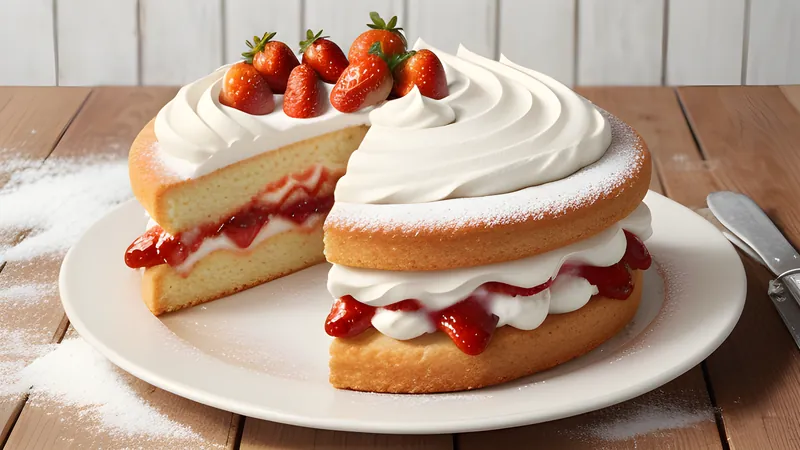
Victoria Sponge with Roasted Strawberry Jam
Ingredients
- 225g (1 cup) unsalted butter, softened
- 225g (1 cup plus 2 tbsp) caster sugar
- 4 large eggs, room temperature
- 225g (1¾ cups) self-raising flour
- 1 tsp baking powder
- ½ tsp fine sea salt
- 1 tsp vanilla extract
- 2 tbsp whole milk
- For the jam: 400g (14oz) strawberries, hulled and halved
- 100g (½ cup) caster sugar
- Juice of ½ lemon
- For the filling: 250ml (1 cup) double cream
- 1 tbsp icing sugar, plus extra to dust
Method
- First make the jam: heat the oven to 200C/180C fan/400F. Toss strawberries with sugar and lemon juice.
- Roast in a baking dish for 25-30 minutes until syrupy and jammy. Cool and crush lightly with a fork.
- Drop the oven to 180C/160C fan/350F. Grease and line two 20cm sandwich tins.
- Cream the butter and caster sugar until very pale and fluffy, 4-5 minutes.
- Beat in the eggs one at a time, then fold in the flour, baking powder, salt and vanilla.
- Loosen with the milk to a soft dropping consistency, divide between the tins and level.
- Bake 22-25 minutes until golden and springy. Cool completely on a rack.
- Whip the cream with icing sugar to soft peaks. Sandwich the sponges with cream and roasted jam, and dust with icing sugar.
There is nothing to a Victoria sponge, which is exactly why it’s so hard to make a really good one. Two plain sponges, jam, cream, a dusting of sugar. No frosting to hide behind, no exotic flavour to distract. It’s the cake your grandmother made and the cake that wins and loses village fetes, and the only way to make it sing is to get every humble component absolutely right. My one indulgence — the thing that makes people pause mid-bite — is making the jam myself, roasted, in the time it takes the oven to come up to temperature.
1 A cake named for a queen
The Victoria sponge is named, of course, for Queen Victoria, who is said to have taken a slice with her afternoon tea after the Duchess of Bedford popularised the whole institution of afternoon tea in the 1840s. Its existence as a light, even sponge owes a great deal to the arrival of baking powder around the same period, which let home bakers achieve a rise without the labour of beating air in by hand for an hour. So this very plain cake is actually a little monument to Victorian kitchen technology. It’s been the British benchmark sponge ever since, and the “weigh your eggs and match the butter, sugar and flour to them” method is still the most reliable way to nail it.
The orthodox version uses shop jam and, often, just jam — no cream at all. I’m firmly in the jam-and-cream camp, and I’m even more firmly of the view that the jam is where most Victoria sponges fall down. Cloying, over-set supermarket strawberry jam drags the whole thing into sugary blandness.
2 The twist: roast the strawberries
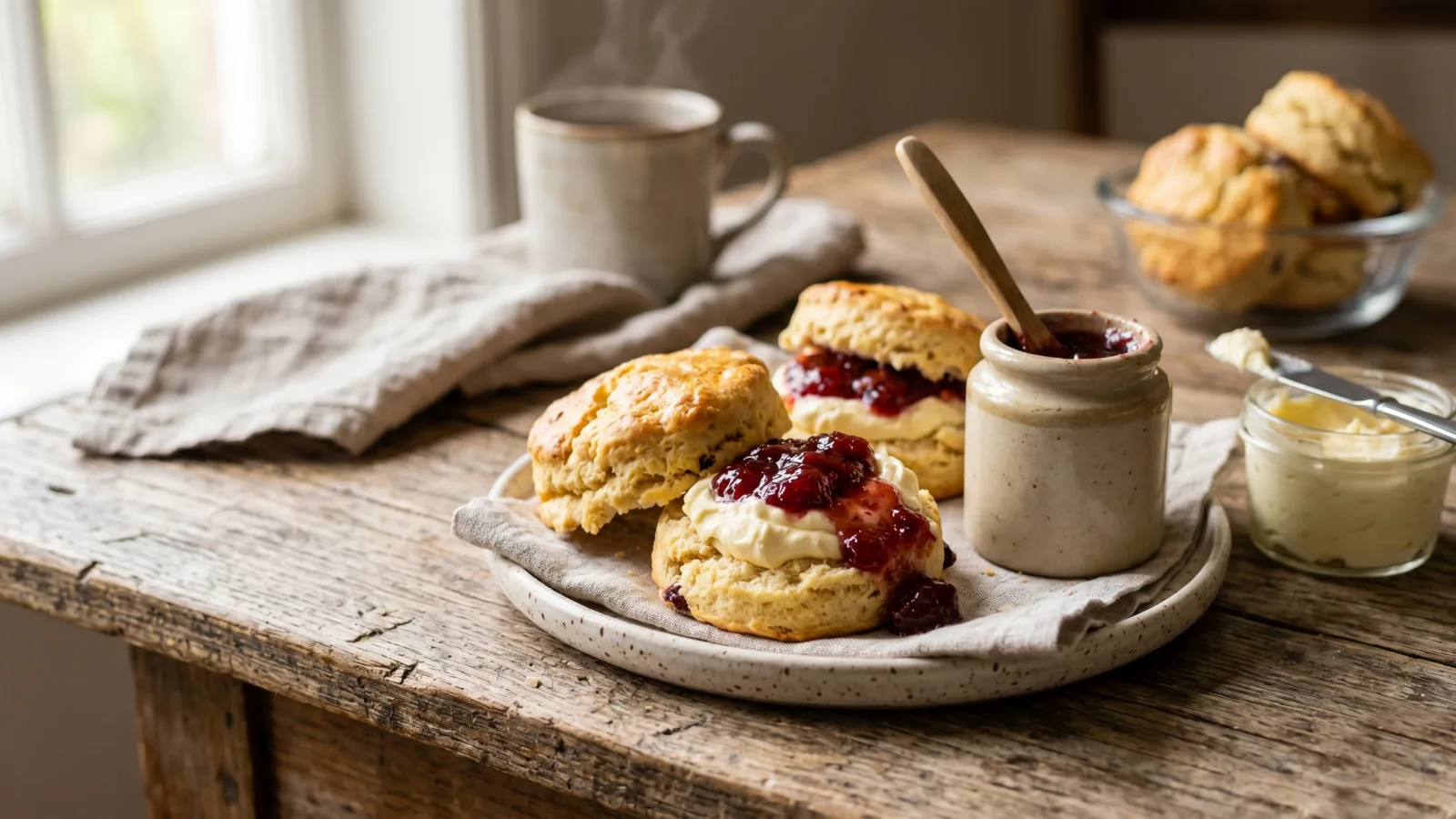
So I make a quick roasted-strawberry jam instead, and it’s barely more effort than opening a jar. You toss halved strawberries with sugar and lemon juice and roast them hot for under half an hour, while you get on with the sponges. The roasting concentrates the fruit, drives off water, and — this is the magic — caramelises the edges, giving you a jam with a deep, almost toffee-ish strawberry flavour and a loose, spoonable set. It tastes intensely of summer in a way that boiled-for-an-hour preserves never quite do. There’s no pectin, no thermometer, no sterilising of jars. You just want a soft, glossy, vividly red jam, lightly crushed, to layer into the cake.
The lemon juice isn’t optional. It brightens the fruit and stops the roasted sugar tipping into one-note sweetness — the same trick I use in almost everything.
3 Getting the sponge right
The sponge itself is a classic creamed cake, and there are only a few ways to ruin it. Cream the butter and sugar for longer than you think you need to — four or five full minutes until it’s genuinely pale and mousse-like — because this is where the lightness comes from. Have your eggs at room temperature so they don’t seize the butter, and add them slowly; if the mix looks like it’s about to curdle, a spoonful of the flour brings it back. Fold the flour in gently and stop the moment it’s combined. Overworked batter means a tough, tight crumb.
The milk at the end loosens everything to a “soft dropping consistency” — a spoonful of batter should fall off the spoon with a gentle shake. Get that right and the sponge bakes up tender and even. Divide it scrupulously between two tins (I weigh them, frankly) so your finished cake sits level rather than lurching to one side.
4 Assembly and the small dignities
Whatever you do, let the sponges cool completely before you fill them, or the cream will melt and the whole thing will slump. Whip the cream only to soft, billowing peaks — overwhipped cream is grainy and joyless. Spread one sponge with the roasted jam, pipe or dollop the cream over it, and crown with the second sponge. A simple dusting of icing sugar through a sieve is the only decoration this cake should ever have. Resist the urge to gild it.
Eat it the day you make it — a Victoria sponge with cream doesn’t keep, and that’s part of its charm. It’s a cake for an occasion, however small: a friend dropping round, a Sunday afternoon, a reason to put the kettle on. Made with a bit of care and that roasted jam, this most ordinary of cakes becomes something people remember.
Related Content