Twice-Cooked Pork with Leek and Doubanjiang
Simmered pork belly crisped in the wok with fermented chilli-bean paste and a hit of black vinegar
Contents
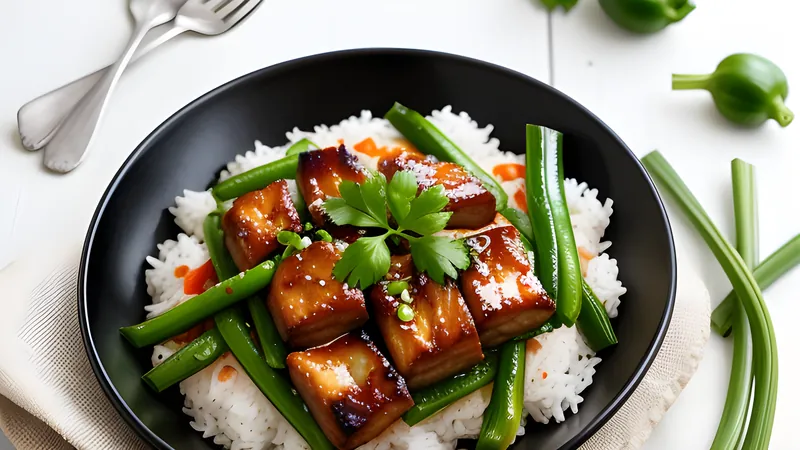
↓ Jump to recipeTwice-cooked pork, huiguorou, is often called the national dish of Sichuan, and it is a small masterclass in the Chinese approach to pork belly. The name means “returned-to-the-pot meat”, and it describes the method exactly: the belly is simmered whole, then sliced and returned to a screaming-hot wok to be crisped and seasoned. That double treatment does something no single cooking method can. The simmer renders the fat and firms the meat so it slices cleanly, and the fry crisps the edges, curls the slices into little cups, and lets them drink up the fierce, fermented flavours of the sauce.
Everything here is built around one ingredient: doubanjiang, the fermented broad-bean and chilli paste from Pixian in Sichuan, sometimes called the soul of Sichuan cooking. My one addition is a final splash of Chinkiang black vinegar off the heat, which few traditional versions include, yet it lifts the rich, salty, spicy wok into balance with a low, malty sourness.
Twice-Cooked Pork with Leek and Doubanjiang
Ingredients
- 500g skin-on pork belly, in one piece
- 3 slices ginger, plus 1 tbsp shredded
- 2 spring onions, halved
- 1 tbsp Shaoxing wine
- 2 leeks, or 4 Chinese leek stems, cut on the angle
- 1 green pepper, in squares (optional)
- 2 tbsp doubanjiang (Pixian chilli-bean paste)
- 1 tbsp fermented black beans (douchi), rinsed
- 3 garlic cloves, sliced
- 1 tsp caster sugar
- 1 tbsp light soy sauce
- 1 tbsp Shaoxing wine, for the stir-fry
- 1/2 tsp Sichuan peppercorns, toasted and ground
- 2 tbsp neutral oil
- 1 tbsp Chinkiang black vinegar
- Steamed rice, to serve
Method
- Put the pork belly in a pan with the ginger slices, spring onions and 1 tbsp Shaoxing wine. Cover with cold water and simmer gently for 25 minutes until just cooked through.
- Lift out the pork and cool it for 15 minutes, then chill briefly so it firms up. Slice as thinly as you can, about 3mm, through skin, fat and meat.
- Toast the Sichuan peppercorns in a dry wok until fragrant, then grind. Rinse the black beans and lightly crush them.
- Heat the oil in the wok over high heat. Fry the pork slices for 3 to 4 minutes until the edges curl, the fat turns glassy and renders, and the slices cup like little lamps.
- Push the pork aside. Add the doubanjiang and fry for 1 minute until the oil turns red, then add the black beans, garlic and shredded ginger for 30 seconds.
- Add the leeks and green pepper and toss for 2 minutes until just softened but still bright.
- Add the sugar, soy sauce, 1 tbsp Shaoxing wine and ground Sichuan pepper; toss everything together for 1 minute.
- Off the heat, splash in the black vinegar, toss once, and serve at once with steamed rice.
A dish from the temple offering
The origin usually given for twice-cooked pork is wonderfully practical. In older Sichuan custom, a piece of pork would be simmered whole and offered at the ancestral altar or temple, then, being already cooked and going nowhere, brought back to the kitchen and stir-fried into dinner. The technique of cooking meat twice was born of thrift and reverence at once, and it turned out to produce a better result than cooking it once ever could.
It belongs to the deep tradition of Sichuan home cooking, the everyday food of the province rather than the banquet showpieces. The defining flavour profile here is xiang la, “fragrant-spicy”, built on doubanjiang and fermented black beans rather than the mouth-numbing ma la of dishes loaded with Sichuan pepper and dried chilli. The classic partner vegetable is a garlic leek called suan miao, whose flat green stems have a mild allium sweetness that stands up to the fermented paste; ordinary leeks are a very good stand-in. It is a dish that shows off the Sichuan pantry doing what it does best: turning a cheap cut and a humble vegetable into something loud, layered and deeply savoury.
Simmer first, and slice thin
The first cooking is gentle and unglamorous. Simmer the belly with ginger, spring onion and a splash of Shaoxing wine until it is just cooked through, around twenty-five minutes for a five-hundred-gram piece. Do not boil it hard or for too long; you want it firmed and rendered while it still holds its shape, because it has a second cooking still to come. Save the poaching liquid, which is now a light pork stock worth freezing for soup or noodles.
The slicing is where the dish is won or lost, and it is much easier if the pork is cold. Cool the simmered belly, then chill it in the fridge for twenty minutes so the fat sets solid. Now you can slice it wafer-thin, about three millimetres, in long slices that run through skin, fat and lean all at once. Thin slices are what curl and crisp in the wok; thick chunks stay chewy and greasy. A firm, cold piece and a sharp knife are all it takes.
The wok, hot and fast
The second cooking is fast and needs real heat. Get the wok properly hot, add the oil, and fry the pork slices first, on their own, for a few minutes. This is a crucial step people rush: you are rendering more fat out of the belly and letting the edges crisp and the slices curl up into their characteristic little cupped shapes, which the Chinese poetically call “lamp-nest” pork. As they cook they release rendered fat, and that pork fat becomes the frying medium for everything that follows.
Push the pork to one side and add the doubanjiang to the hot fat. Fry it for a full minute until the oil stains a deep, glossy red and the raw edge cooks off; this blooming of the paste in oil is what unlocks its fragrance and colour, and skipping it leaves the dish tasting raw and harsh. Then the fermented black beans, garlic and ginger for their aromatics, followed by the leeks, which want only a minute or two so they keep a little bite and their fresh green sweetness. Season with sugar, soy and Shaoxing, toss, and finish with the vinegar off the heat.
Sourcing, swaps and getting ahead
- Doubanjiang. Seek out the Pixian (Pi Xian) kind, aged and brick-red, from a Chinese grocer or online. It is salty and pungent, so taste before adding extra soy. Brands vary in heat and salt.
- Fermented black beans. These salty, funky little soybeans (douchi) add a savoury depth; rinse them first to shed excess salt and crush them lightly to release their flavour. Leave them out if you cannot find them, though they are worth the hunt.
- The vegetable. Garlic leeks (suan miao) are ideal; leeks, or even a mix of leek and green pepper or spring cabbage, all work. Whatever you use, keep it just short of fully softened.
- Make ahead. Simmer and slice the pork up to two days in advance and keep it chilled; the final stir-fry then takes under ten minutes. The dish itself does not keep well once fried, so cook the wok stage fresh.
- Heat level. Add a couple of dried Sichuan chillies with the doubanjiang if you want it fiercer, or a pinch more ground Sichuan pepper for a numbing edge.
Why blooming the paste changes everything
If there is one technique to take away from this dish and carry into all your Chinese cooking, it is the frying of the bean paste in hot fat. Doubanjiang straight from the jar is a dense, salty, slightly raw-tasting thing. Cook it in oil over high heat for a minute and it transforms: the chilli oil bleeds out and reddens the fat, the fermented beans soften and turn nutty, and the harsh top note burns off to leave a deep, mellow savouriness. This is why the pork must render its fat first, so that the paste has something rich to bloom into. The finished dish takes its glossy red sheen and its whole aromatic backbone from that single minute of patient frying.
The black vinegar at the end works on the same principle of transformation, but in reverse. Added off the heat, it never has a chance to cook off; its bright, malty acidity stays sharp and cuts straight through the richness of the belly and the salt of the paste. Add it earlier, into the hot wok, and it would simply evaporate and be wasted. This trick of a last-second acid on rich, fatty food is one of the most useful things in any cook’s repertoire, and it is what stops a bowl of twice-cooked pork feeling heavy however much belly is in it.
This sits in the same family as sweet and sour pork, done properly, another Chinese classic built on rendering and crisping pork before it meets a bold sauce, and it makes a brilliant partner on the table to a plate of yangzhou fried rice with char siu and prawn for a proper spread. Simmer gently, chill and slice thin, then bloom the paste in the pork’s own rendered fat: those are the three moves that turn a cheap belly into the pride of Sichuan.
Related Content