Tuscan White Bean and Cavolo Nero Soup
A peasant ribollita-style bowl thickened with bread and finished with charred garlic oil
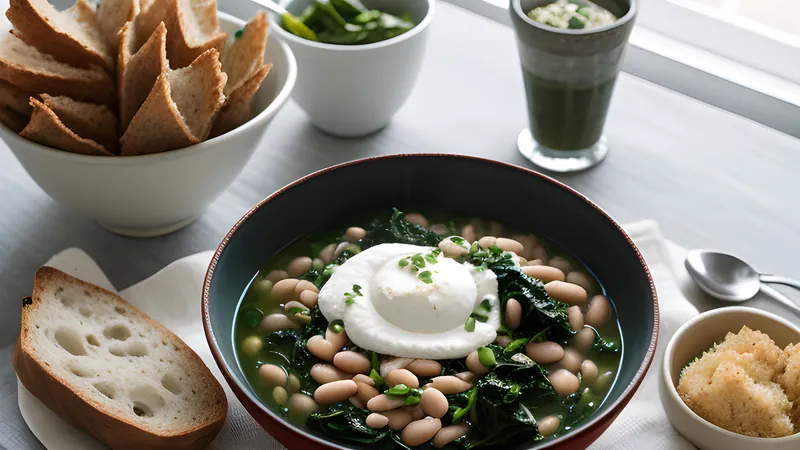
Tuscan White Bean and Cavolo Nero Soup
Ingredients
- 4 tbsp good olive oil, plus extra to finish
- 1 onion, finely diced
- 2 carrots, finely diced
- 2 celery sticks, finely diced
- 4 garlic cloves, 3 sliced and 1 left whole
- 1 tbsp tomato purée
- 1 x 400g tin chopped tomatoes
- 2 x 400g tins cannellini beans, drained
- 200g cavolo nero, stalks stripped and leaves shredded
- 1.2 litres vegetable stock
- 1 Parmesan rind (optional)
- 2 thick slices stale sourdough, torn
- 1 sprig rosemary
- Salt and plenty of black pepper
- A pinch of chilli flakes
Method
- Warm the olive oil in a large heavy pan over a medium-low heat and add the onion, carrot and celery with a good pinch of salt. Cook gently for 12 to 15 minutes until soft and sweet but not coloured.
- Stir in the sliced garlic and rosemary and cook for a minute, then add the tomato purée and fry for another minute until it darkens.
- Add the chopped tomatoes, half the cannellini beans, the stock and the Parmesan rind if using. Bring to a simmer and cook for 15 minutes.
- Mash the remaining beans roughly with a fork and stir them in to thicken the soup, then add the cavolo nero and simmer for 10 minutes until tender.
- Stir in the torn bread and let it slump into the soup for 5 minutes, then season well with salt, pepper and chilli flakes. Fish out the Parmesan rind.
- Meanwhile, warm 2 tbsp olive oil in a small pan, add the whole garlic clove sliced thin and fry until deep golden and nutty, then tip oil and garlic into a small bowl.
- Ladle the soup into warm bowls, spoon over the charred garlic oil and finish with extra olive oil and a grinding of pepper.
There is a particular kind of soup that does not so much feed you as resettle you, and this Tuscan bowl is firmly in that camp. It is built from the cheapest things in the kitchen, white beans, dark winter greens and stale bread, yet it tastes generous and almost luxurious. The clever twist here is a spoonful of charred garlic oil swirled in at the end, which lifts what is essentially a humble pot of vegetables into something with real depth and a faint, smoky sweetness. It is the bowl I want on a grey October evening when the heating has just gone on.
1 The thrift of ribollita
This soup descends directly from ribollita, the famous Tuscan dish whose name means “reboiled”. It was never a recipe so much as a method for survival. Cooks in the countryside around Florence and Siena would make a big pot of vegetable and bean minestrone, eat some, then thicken the leftovers the next day with yesterday’s bread and reheat it, building flavour with each warming. Nothing was wasted. Bread that had gone hard was too precious to bin, so it was torn into the pot, where it dissolved into a soft, spoonable mass that sits somewhere between soup and stew.
Cavolo nero is the soul of the thing. This dark, blistered Tuscan kale, sometimes sold as black cabbage or lacinato, holds up beautifully to long cooking and gives the broth a deep, mineral, faintly bitter backbone that ordinary cabbage cannot match. If you cannot find it, curly kale or savoy cabbage will stand in honourably, but the soup loses a little of its brooding character. The beans, traditionally cannellini, do double duty: half stay whole for texture, half are mashed to thicken and enrich the liquid into something closer to a purée.
2 Building the soup
Everything starts with a proper soffritto, the slow-cooked trinity of onion, carrot and celery that underpins so much Italian cooking. Resist the temptation to rush it. Fifteen patient minutes over a low heat coaxes out a natural sweetness that becomes the foundation of the whole bowl, and no amount of stock can fake it later. Once that base is soft and fragrant, the garlic, rosemary and tomato purée go in to deepen things, then the tomatoes, stock and half the beans simmer together until the flavours marry.
The thickening is where the magic happens. Mash the remaining beans and stir them through, then add the shredded cavolo nero and let it soften. Finally the torn sourdough goes in and is allowed to collapse into the soup, drinking up the broth and giving the whole pot a comforting, porridgey body. If you have a Parmesan rind lurking in the fridge, drop it in early; it melts away to nothing but leaves behind a savoury richness that is hard to place and impossible to do without once you have tried it.
3 The charred garlic finish
The single thing that makes this version sing is the garnish. In a small pan, fry a sliced clove of garlic in olive oil until it turns deep gold and smells toasty and almost nutty, then pour the lot, oil and crisp garlic together, over each bowl. It is a tiny step that adds a charred, savoury top note and a glossy slick of flavour that cuts through the soft, starchy soup beneath. Watch it carefully, because garlic goes from golden to acrid in seconds; the moment it is the colour of pale honey, it is done.
4 Tips and make-ahead
Like all good peasant soups, this one improves with time. Made a day ahead and reheated, it deepens and thickens further; just loosen with a splash of water or stock when you warm it, as the bread will keep drinking. It freezes well too, although it is best to add the bread only when reheating if you plan to freeze it, so it does not turn to mush.
For a meatier version, start by frying a little diced pancetta with the soffritto. To keep it fully vegetarian, leave out the Parmesan rind and finish with a shower of grated pecorino alternative or simply a good lash of peppery olive oil. Stale, sturdy bread is non-negotiable; fresh slices will dissolve into paste, so use the heel of yesterday’s loaf. Season boldly at the end, taste, and add the chilli flakes to your liking. Serve it with nothing more than more bread and a glass of something red.
Related Content