Trofie al Pesto with Potato and Green Beans
Liguria's pesto pasta, done the Genoese way, with a spoon of potato in the sauce
Contents
↓ Jump to recipePesto, before it became a jar on every supermarket shelf, was a dish of one city. Pesto alla Genovese is the pride of Liguria, the thin crescent of Italian coast around Genoa, and the Ligurians guard it the way Bologna guards its ragù. The name comes from pestare, to pound, because real pesto is made in a marble mortar with a wooden pestle, the basil bruised and ground rather than chopped or blitzed. The classic seven ingredients are fixed: Genoese basil, pine nuts, garlic, Parmesan, pecorino sardo, olive oil and salt. That is the lot. There is a world championship for making it by hand in Genoa, held every other year, and the contestants take it entirely seriously.
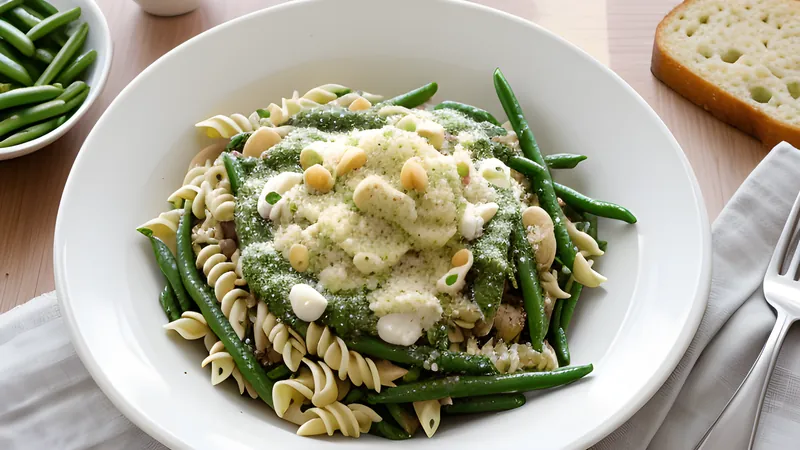
The traditional way to eat it puts far more than pasta in the pot: trofie al pesto with potato and green beans, all boiled together. It sounds like an odd trio and it is a small revelation. The potato turns starchy and soft and helps the sauce cling; the beans bring a sweet, grassy bite; and the trofie, short hand-rolled twists of pasta, catch the pesto in their spirals. It is the Ligurian Sunday plate, a taste of basil-scented hillsides above the sea.
Trofie al Pesto with Potato and Green Beans
Ingredients
- 400g dried trofie (or trofie, trenette or linguine)
- 1 medium waxy potato (about 150g), peeled and thinly sliced
- 150g fine green beans, trimmed and halved
- 60g fresh basil leaves (a large bunch), washed and dried
- 1 small garlic clove
- 30g pine nuts
- 40g Parmesan, finely grated
- 20g pecorino sardo, finely grated
- 120ml mild extra-virgin olive oil, plus more
- Coarse sea salt
Method
- Toast the pine nuts in a dry pan over low heat until pale gold and fragrant, then cool.
- In a mortar, pound the garlic with a pinch of coarse salt to a paste, add the pine nuts and crush, then add the basil a handful at a time and grind to a green pulp.
- Work in both cheeses, then trickle in the olive oil, stirring to a loose, glossy sauce. Loosen with a little more oil if needed.
- Bring a large pan of well-salted water to the boil. Add the sliced potato and cook 5 minutes.
- Add the trofie and the green beans and cook together until the pasta is al dente and the potato is meltingly soft, about 9 minutes more.
- Scoop out a mugful of cooking water. Mash one or two slices of the cooked potato into the pesto with a splash of the water to make it creamy.
- Drain the pasta, potato and beans and return to the warm pan off the heat.
- Fold the pesto through with a little pasta water until everything is silky and coated. Serve at once with extra cheese.
Trofie, and the alternatives
Trofie are little dense twists of flour-and-water pasta, rolled so each has a thin tail at either end and a slight spiral down the middle that traps sauce. Dried trofie from a good Italian brand are widely available and exactly right for a weeknight. If you cannot find them, trenette or linguine are the classic Ligurian long-pasta alternatives, and any short, chunky shape with plenty of surface — casarecce, gemelli, fusilli — will hold the pesto happily. What you want is texture to grip a thick, oily sauce, the same principle that guides the shape in Gnocchi alla Sorrentina with Tomato and Mozzarella.
The pesto: cold, pounded, and green
Here is where most home pesto goes wrong, and it is worth understanding why. Basil hates heat and it hates blades. A food processor’s spinning blade generates warmth and shears the leaves, and the bruising plus the heat oxidises the basil, turning it a dull army green and giving it a slightly metallic, bitter edge. A mortar and pestle crushes the leaves slowly and cool, rupturing the cells to release the fragrant oils without cooking them, and the pesto stays a vivid emerald that tastes of high summer.
Start by toasting the pine nuts gently in a dry pan until just golden — my one small extra step, and it deepens their sweetness into something almost buttery, giving the sauce a rounder, nuttier backbone. Let them cool. Pound the garlic first, with a pinch of coarse salt that acts as an abrasive, to a smooth paste; go easy, because raw Ligurian pesto should only ever whisper garlic. Add the cooled pine nuts and crush them in, then the basil a handful at a time, grinding with a circular motion against the sides of the mortar until you have a fragrant green pulp. Work in the two cheeses — Parmesan for savour, pecorino sardo for a sheepy tang — then trickle in the olive oil, stirring, until you have a loose, glossy sauce. Use a mild oil; a peppery, aggressive one will fight the basil.
If you have only a food processor, all is not lost. Chill the bowl and blade in the freezer first, pulse in short bursts rather than running it continuously, and stop the moment it comes together. It will be a good pesto. A mortar makes a great one.
The clever bit: potato in the sauce
Here is my twist, and it is a Ligurian secret hiding in the traditional method. Everyone knows the potato is cooked in the water with the pasta and beans. Fewer people mash a slice or two of that cooked potato directly into the pesto before dressing the pasta. The soft, starchy potato loosened with a spoon of the hot cooking water turns the pesto into something creamier and more clinging, an emulsion that cloaks every twist of trofie like a light sauce rather than sitting on top as an oily paste. It also stretches the pesto a little, which never hurts. Do it and the difference is immediate: the whole plate goes silky.
Cooking it all in one pot
Slice the potato thinly so it cooks through in roughly the same time as the pasta, and give it a five-minute head start in the boiling water. Then in go the trofie and the green beans together, all cooked in the same well-salted pot so the flavours mingle and you dirty one pan. The beans should keep a little bite; the potato should be soft enough to crush. When the pasta is al dente, scoop out a good mugful of the cloudy, starchy water before draining — it is liquid gold for loosening the sauce.
Crucially, dress the pasta off the heat. Pesto must never be cooked. Return the drained pasta, potato and beans to the warm (not hot) pan, take it off the flame entirely, and fold the pesto through with a splash of the pasta water until everything is glossy and coated. If you simmer pesto it splits, dulls and loses its perfume in seconds. Serve at once, while it is warm and fragrant, with extra grated cheese and a thread of good oil.
What to serve it with
This is a plate that likes to stand alone, warm rather than piping hot, with nothing more than a chilled glass of crisp Ligurian white — a Pigato or a Vermentino from the same coast — and bread to catch the last green smears. It is glorious the moment it is made and merely good ten minutes later, so bring everyone to the table before you drain the pot. A scatter of extra toasted pine nuts over the top adds a little crunch against the soft potato and is worth the second handful.
What can go wrong
Dull, dark pesto. Overheated in a processor, or made too far ahead and left exposed to air. Work cold, and press cling film onto the surface if it must wait.
Bitter or harsh. Too much garlic, or a fierce peppery oil. Use one small clove and a mild oil, and taste as you build.
Oily, split sauce on the plate. The pan was too hot, or there was no starch to bind it. Dress off the heat, mash in the potato, and use the pasta water.
Sad, grey beans. Overcooked. Add them along with the pasta and pull everything the moment the pasta is done.
Storage and variations
Pesto keeps in the fridge for up to five days with a film of oil poured over the surface to seal it from the air, and it freezes well — an ice-cube tray of pesto is one of the best things a summer garden can give a winter kitchen. Freeze it before adding the cheese if you can, and stir the cheese in when you thaw it, for the freshest result. The dressed pasta does not keep; make only what you will eat.
For variations, a spoonful of soft ricotta folded in with the pesto makes an even creamier plate, echoing the richness of Butternut and Sage Ravioli with Brown Butter. Walnuts can stand in for some of the pine nuts, closer to a Ligurian walnut sauce, and a few mint leaves pounded in with the basil brighten the whole thing on a hot day. However you turn it, keep the basil cold and the hand light, and you will taste why one small city built a championship around a bowl of green pasta.
Related Content