Tenderstem with Garlic, Chilli and Lemon
A fast green side with charred tips and a bright, buttery finish
Contents
↓ Jump to recipeTenderstem broccoli lives or dies by how you cook it, and most of the time it dies quietly in a pan of grey simmering water. Boiled, it turns limp and cabbagey and gives up the very thing that makes it worth buying: those slim, tender stems and loose, feathery heads that beg to be seared. Cook it hard and fast in a hot pan instead, char the tips, steam it for a scant two minutes and finish it with garlic, chilli and lemon, and you have a side dish that disappears from the platter before the main course has properly landed on the table.
What Tenderstem actually is
Tenderstem, sold as broccolini in much of the world, is not baby broccoli, whatever the supermarket signage implies. It is a deliberate cross between ordinary broccoli and Chinese broccoli, gai lan, developed in Japan in the early 1990s by the Sakata seed company and brought to market in 1993. The gai lan parentage is the important part: it is what gives Tenderstem its long, slender, sweet stems and its willingness to be eaten whole, stalk and all, with none of the woody trimming a head of ordinary broccoli demands. That sweetness is real and measurable, and it caramelises beautifully under high heat, which is precisely why searing suits it so much better than boiling.
Because the stems are thin and the florets loose, Tenderstem cooks in a fraction of the time of a dense broccoli head. This is a blessing and a trap. It means dinner is on the table in ten minutes, and it means the gap between perfectly tender and sad, khaki mush is about ninety seconds wide. The method below is built around that fact: high heat to char and develop flavour, a brief covered steam to cook the stems through, then a fast aromatic finish off the heat so nothing overcooks.
The clever bit: a spoonful of brown butter
The twist that lifts this above a standard garlic-and-chilli greens is the butter, and specifically what you do to it. Once the broccoli is charred and steamed, you push it aside and let a knob of butter foam and turn golden brown in the empty side of the pan before the garlic goes in. That thirty seconds of browning develops a nutty, toasted depth through a Maillard reaction in the milk solids, and it coats the whole dish in something richer and more savoury than plain oil ever manages. The garlic then fries in that brown butter rather than in oil, picking up the same toasted quality. It is a tiny extra step that costs you nothing and changes the character of the plate entirely.
Tenderstem with Garlic, Chilli and Lemon
Ingredients
- 400g Tenderstem broccoli (broccolini), trimmed
- 30g unsalted butter
- 2 tbsp olive oil
- 3 fat garlic cloves, thinly sliced
- 1 red chilli, deseeded and finely sliced
- 0.5 tsp dried chilli flakes (optional)
- 1 unwaxed lemon, half zested and juiced, half in wedges
- 3 tbsp water
- 0.5 tsp flaky sea salt
- 2 tbsp toasted flaked almonds, to finish (optional)
Method
- Trim the woody ends off the Tenderstem and halve any very thick stems lengthways so everything cooks at the same rate.
- Heat the olive oil in a large frying pan over a high heat until it shimmers. Lay the Tenderstem in a single layer and leave it undisturbed for 2 to 3 minutes until the tips char.
- Turn the stems, add the water, cover with a lid or foil and steam for 2 minutes until just tender with a little bite.
- Uncover, push the broccoli to one side, drop in the butter and let it foam and brown for 30 seconds.
- Add the garlic, fresh chilli and chilli flakes to the butter and fry for 45 seconds until fragrant and pale gold, not brown.
- Toss everything together, add the lemon zest and a squeeze of juice, and season with the flaky salt.
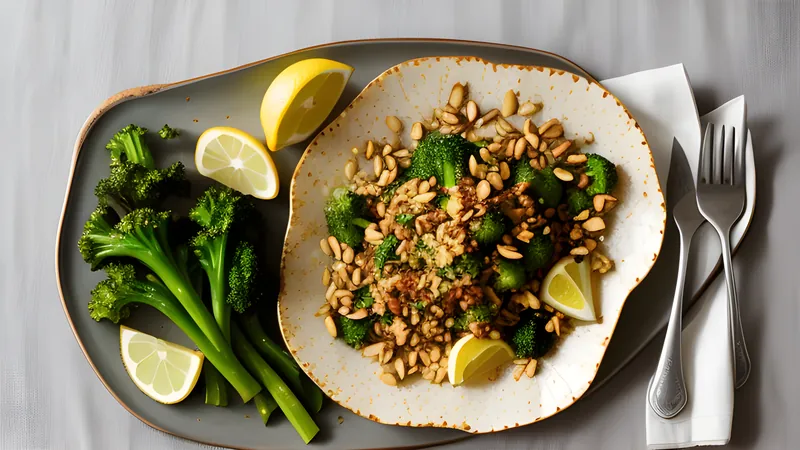
- Tip onto a warm platter, scatter with flaked almonds and serve with lemon wedges.
Why the char matters, and how to get it
The single most common mistake is crowding the pan and fiddling. If you pile the Tenderstem in and start tossing it straight away, the stems shed water, the pan temperature drops, and you end up steaming rather than searing. What you want is contact: a hot pan, a single layer, and enough patience to leave it undisturbed while the tips blacken. Those charred spots are pure flavour, the same browning that makes roast vegetables taste of more than the raw article. If your pan is not big enough to hold all the Tenderstem flat, cook it in two batches. It genuinely matters more than any other step here.
Getting the doneness right is the other half of the job. The covered steam is your control: two minutes for stems with real bite, closer to three if you like them softer, but no longer. Lift a stem out and try it. It should bend a little and yield to a bite while still holding its shape. The moment it flops when you pick it up, it has gone past. Because the residual heat keeps working after the pan comes off the hob, pull it a touch earlier than you think and let it finish on the platter.
Substitutions and swaps
No Tenderstem to hand? This method works beautifully on ordinary broccoli cut into long florets with the stalks peeled and sliced, on purple sprouting broccoli in late winter, or on trimmed green beans, which want an extra minute under the lid. It is a close cousin of my blistered green beans with garlic and almond, and the same char-then-steam logic drives my charred hispi cabbage with anchovy butter, where the cabbage takes the heat even harder. If you want a savoury, umami hit instead of lemon and chilli, take a leaf out of my stir-fried morning glory with garlic and fermented bean and swap the lemon for a splash of soy and a teaspoon of fermented bean paste.
For a dairy-free version, drop the butter and use a second tablespoon of a good olive oil, warming the garlic in it gently; you lose the toasted-butter note but keep a clean, bright dish. Toasted pine nuts or chopped hazelnuts stand in happily for the almonds, and a scatter of grated Parmesan or pecorino at the end turns the whole thing into something more indulgent.
Serving and making ahead
This is a last-minute side by nature, and it is at its best straight from the pan while the char is still crisp and the garlic fragrant. It sits happily next to almost any roast or grilled main: a piece of pan-fried fish, a Sunday chicken, a steak, a plate of sausages. Because it carries its own garlic, chilli and lemon, it needs nothing else on the plate to earn its place.
If you must get ahead, do the prep rather than the cooking. Trim and halve the stems, slice the garlic and chilli, and zest the lemon up to a day in advance, keeping the broccoli in a bag in the fridge. The actual cooking is so fast that there is little to gain from part-cooking, and blanched, refrigerated broccoli reheated in the pan never quite recaptures the fresh char. Any leftovers are still good cold the next day, chopped through a grain bowl or folded into a frittata, where the charred edges hold their own.
Related Content