Tahini Sauce: The Ratio, the Method, the Variations
The one sauce that makes everything better
Tahini Sauce: The Ratio, the Method, the Variations
Ingredients
- 120 g good-quality tahini, well stirred
- 1 small garlic clove, finely grated
- 60 ml lemon juice (about 2 lemons)
- 80 to 120 ml ice-cold water
- 1/2 teaspoon fine sea salt, plus more to taste
- Pinch of ground cumin (optional)
Method
- Grate the garlic into a bowl, add the lemon juice and a pinch of salt, and leave for 5 minutes to mellow the garlic's raw edge.
- Stir the tahini well in its jar, then spoon it into the bowl with the lemon mixture.
- Whisk together. The mixture will seize into a thick, claggy paste — this is exactly what should happen.
- Add the ice-cold water a tablespoon at a time, whisking after each addition. It will loosen suddenly into a pale, smooth, pourable sauce.
- Taste and adjust: more salt for savour, more lemon for brightness, more water for a thinner sauce. Add the cumin if using.
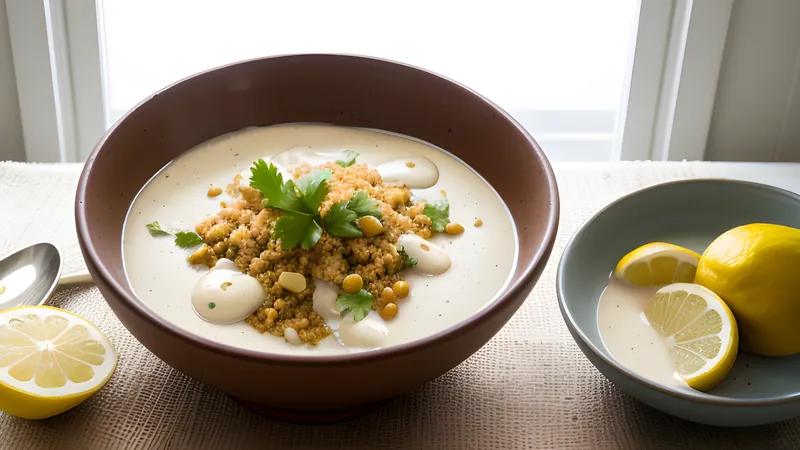
If I could keep only one sauce in my fridge, it would be this. Tahini sauce — sesame paste loosened with lemon, garlic and water — is the quiet workhorse of the Levantine kitchen, and it improves almost anything it touches. Roast vegetables, grilled meat, falafel, a baked sweet potato, a bowl of rice and chickpeas: drizzle this over and dinner is suddenly finished, savoury and creamy with a gentle bitterness that keeps you coming back. It takes five minutes, needs no cooking, and the technique is the whole secret.
That technique trips people up, because tahini does something alarming the first time you make it: you add liquid and it seizes into a stiff, grainy paste, as if you’ve broken it. You haven’t. Keep going — a splash of cold water at a time — and it transforms in an instant into a silky, pourable cream the colour of ivory. Understand that one moment and you’ll never buy a tub of tahini sauce again.
1 A paste with deep roots
Sesame is one of humanity’s oldest cultivated seeds, and grinding it into paste is an ancient practice stretching back across the Middle East. The word tahini comes from the Arabic taḥīna, from a root meaning “to grind”. Across the Levant — Lebanon, Syria, Palestine, Jordan — and through the wider region, tahini is foundational: it’s the backbone of hummus, the body of baba ganoush, the dressing over falafel wraps, and, sweetened, the heart of halva.
In Palestinian and Lebanese cooking, a plain tahini sauce like this one is poured over whole roasted fish or baked into trays of siniyah with spiced lamb and tomatoes. The best tahini is made from hulled sesame seeds, often Ethiopian or Ethiopian-grown Humera seeds, ground stone-smooth. It’s worth seeking out a good jar — a bitter, chalky tahini makes a bitter, chalky sauce, while a fresh, nutty one makes something you’ll want to eat by the spoon. Give the jar a vigorous stir before you start, as the oil separates and sits on top.
2 The method, step by step
Begin with the garlic and lemon. Grate the garlic finely — a single small clove is plenty, because raw garlic in an uncooked sauce is assertive — then let it sit in the lemon juice with a little salt for five minutes. The acid tames the garlic’s sharp heat and leaves you with fragrance rather than a punch. This small pause is the difference between a balanced sauce and one that bites.
Now add the well-stirred tahini and whisk. Brace yourself: it will tighten into a thick, almost crumbly mass. Resist the urge to add more lemon to fix it. Instead reach for ice-cold water — cold genuinely helps it emulsify into a smoother, paler sauce — and add it a tablespoon at a time, whisking hard. For the first few additions nothing much seems to happen, then quite suddenly the whole thing relaxes into a glossy, flowing cream. Stop when it pours in a slow ribbon, or keep going for a thinner drizzle.
Taste and season. It should be bright, savoury and a touch tangy. More salt deepens the flavour; more lemon lifts it; a pinch of cumin nudges it earthier. If it ever splits or feels oily, a splash more cold water and a brisk whisk will bring it back.
3 Getting the ratio right, and ringing the changes
The ratio to remember is roughly two parts tahini to one part lemon juice by volume, with water added to taste — but treat it as a starting point, not a rule, because tahinis vary in thickness. The sauce also thickens as it sits and in the fridge, so make it a touch looser than you think and refresh with a little water before serving. It keeps, covered, for up to five days.
From this base, a dozen sauces follow. Whisk in a handful of chopped parsley and a little extra lemon for a herby green version over fish. Stir through pomegranate molasses for a sweet-sour drizzle on roast aubergine. Blend in roasted red peppers or a spoon of harissa for warmth and colour. Loosen it further and pour over a salad of shredded cabbage and herbs. For a quick lunch, thin it with a little extra water and use it as a dressing for warm chickpeas, with a scatter of toasted seeds and a final glug of good olive oil.
Make it once and you’ll start seeing uses everywhere. That’s the mark of a great sauce — not that it dominates the plate, but that it makes everything around it taste like more of itself.
Related Content