Sweet Potato and Peanut Stew (West African Style)
A deeply savoury groundnut stew with a backnote of smoked paprika and lime
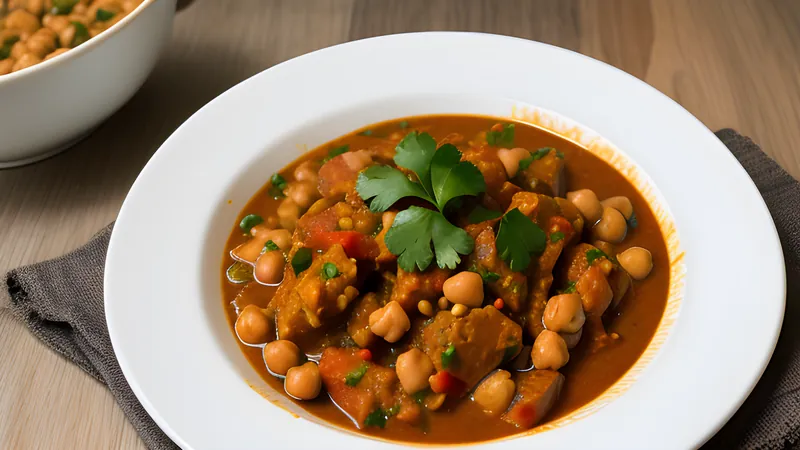
Sweet Potato and Peanut Stew (West African Style)
Ingredients
- 3 tbsp groundnut or vegetable oil
- 1 large onion, finely chopped
- 4 garlic cloves, crushed
- 1 thumb fresh ginger, grated
- 1 to 2 scotch bonnet or red chillies, deseeded and chopped
- 2 tsp smoked paprika
- 1 tsp ground cumin
- 2 tbsp tomato purée
- 1 x 400g tin chopped tomatoes
- 700g sweet potatoes, peeled and cut into 3cm chunks
- 4 heaped tbsp smooth peanut butter (no added sugar)
- 800ml vegetable stock
- 1 x 400g tin chickpeas, drained
- 100g spinach or kale, shredded
- 1 lime, plus extra to serve
- Salt to taste
- Roasted peanuts and coriander, to finish
Method
- Heat the oil in a large heavy pan over a medium heat and cook the onion with a pinch of salt for 8 minutes until soft and golden at the edges.
- Add the garlic, ginger and chilli and fry for 2 minutes, then stir in the smoked paprika and cumin and cook for 30 seconds until fragrant.
- Stir in the tomato purée and fry for a minute, then add the chopped tomatoes and cook for 5 minutes until thickened and darkened.
- Add the sweet potato chunks and turn to coat, then pour in the stock and bring to a simmer.
- Whisk the peanut butter with a ladleful of the hot stock until smooth, then stir it back into the pan.
- Simmer uncovered for 20 to 25 minutes, stirring now and then, until the sweet potato is tender and the stew has thickened.
- Stir in the chickpeas and spinach and cook for 3 minutes until the greens wilt, then squeeze in the juice of the lime and season with salt.
- Serve scattered with roasted peanuts and coriander, with extra lime wedges alongside.
If you have never cooked with peanut butter outside of a sandwich, this stew will quietly change your mind. It is rich, savoury and burnished a deep orange-brown, with sweet potato collapsing into a thick, nutty sauce that clings to rice with real conviction. The small twist that lifts it beyond the everyday is a double hit of smoked paprika and a brisk squeeze of lime at the end: the first builds a gentle, smoky warmth, the second cuts straight through the richness and wakes the whole pot up. It is the kind of one-pot dinner that costs little, feeds many and tastes like you tried much harder than you did.
1 The groundnut stews of West Africa
Peanut stews, often called groundnut stews, are found in many forms right across West Africa, from the maafe of Senegal and Mali to the domoda of The Gambia and countless regional cousins. Peanuts, which arrived from the Americas via the Atlantic trade and took root spectacularly well in the West African climate, became a staple crop and a defining flavour. Traditionally these stews are made with meat or fish simmered slowly in a sauce thickened with ground peanuts or peanut butter, and they are everyday food: nourishing, affordable and endlessly adaptable to whatever is in the pot.
This is a vegetable-forward version that keeps the soul of the original while leaning on sweet potato and chickpeas for body and substance. The combination is no accident. The natural sweetness of the potato plays beautifully against the savoury, slightly resinous depth of the peanuts, while the chilli and ginger keep everything lively. It is comfort food with a backbone, the sort of thing that tastes even better on the second day once the flavours have had a night to settle and mingle.
2 How the sauce comes together
The method is forgiving but rewards a little attention early on. Start by giving the onions proper time to soften and colour, because they form the sweet base of the sauce. The aromatics, garlic, ginger and a good amount of chilli, go in next, followed by the spices, which you fry briefly to bloom their flavour. Then the tomato purée and tinned tomatoes are cooked down until jammy and thick, which is what stops the finished stew tasting raw or thin.
The peanut butter deserves a word of caution. Tip it straight into a bubbling pot and it can seize into oily lumps. The trick is to loosen it first by whisking it with a ladle of the hot stock into a smooth, pourable slurry, then stir that back in. Use a smooth peanut butter with no added sugar or palm oil for the cleanest, most savoury result; the sweetened supermarket kind will throw the balance off. From there the sweet potato simmers until tender and begins to break down at the edges, naturally thickening the sauce into something glossy and rich.
3 Smoke, heat and a squeeze of lime
Two finishing moves carry this dish. Smoked paprika gives a low, warming smokiness that hints at the wood-smoke cooking of the original stews without needing a fire, and it deepens the colour into that gorgeous brick red. Then, right at the end, the lime. A single stew-spoon of acidity transforms the dish, slicing through the dense, nutty richness and making every other flavour read more clearly. Do not skip it, and serve extra wedges at the table so people can adjust to taste.
4 Tips, swaps and serving
This stew is endlessly flexible. Swap the chickpeas for any cooked bean, throw in a handful of frozen peas, or wilt in kale instead of spinach for a sturdier green. If you want it richer, a tin of coconut milk in place of some of the stock makes it silkier and milder, which is handy if you are feeding children who balk at the heat. For a meatier table, brown some chicken thighs first and simmer them in the sauce until cooked through.
Serve it generously over fluffy rice, or with flatbread to mop the bowl. The roasted peanuts and coriander on top are not mere decoration; the crunch and freshness lift each spoonful. It keeps brilliantly for three days in the fridge and freezes well, thickening as it sits, so loosen with a splash of water when reheating. Make a big pot, because it disappears faster than you expect.
Related Content