Speculoos with Brown Sugar and Spice
Thin, crisp, deeply spiced biscuits made with brown butter
Contents
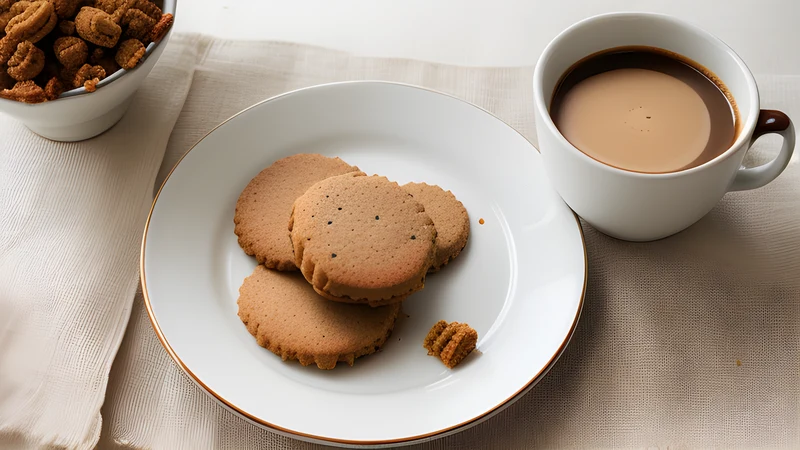
↓ Jump to recipeSpeculoos are the thin, spiced, caramel-brown biscuits you get on the saucer beside a coffee across Belgium and the Netherlands, and they are the biscuit that was quietly ground into a paste and sold as a spread until half the world was addicted. Made at home they are far better than any packet, snapping cleanly and tasting of dark sugar and warm spice. The traditional recipe uses soft brown sugar for colour and chew, and my one change is to brown the butter first. Cooking the butter until its milk solids toast to a deep gold adds a nutty, caramel undertone that echoes the dark sugar and makes an already deep biscuit taste even more roasted and complex.
Speculoos with Brown Sugar and Spice
Ingredients
- 150g unsalted butter
- 200g dark brown soft sugar
- 1 egg
- 300g plain flour
- 1 tsp baking powder
- 1/2 tsp fine sea salt
- 2 tsp ground cinnamon
- 1 tsp ground ginger
- 1/2 tsp ground nutmeg
- 1/2 tsp ground cloves
- 1/2 tsp ground cardamom
- 1/4 tsp ground white pepper
Method
- Melt the butter in a pan over medium heat and cook, swirling, for 4 to 6 minutes until it foams, smells nutty and the milk solids turn golden brown. Pour into a bowl, including the browned bits, and cool until just warm.
- Whisk the dark brown sugar into the brown butter until smooth, then whisk in the egg.
- Combine the flour, baking powder, salt and all the spices, then stir into the wet mixture to a stiff dough.
- Knead briefly, shape into a flat block, wrap and chill for at least 2 hours or overnight so the spices bloom.
- Preheat the oven to 160C fan and line two trays with parchment.
- Roll the dough out on a floured surface to 3mm and stamp or cut into shapes, or press into a speculaas mould and knock out.
- Arrange on the trays and bake for 12 to 14 minutes until firm and evenly browned at the edges.
- Cool on the tray for 5 minutes, where they will crisp up, then transfer to a rack.
Saint Nicholas and the spice trade
Speculoos, or speculaas in Dutch, are inseparable from the feast of Saint Nicholas, celebrated on the sixth of December across the Low Countries and the biscuit’s traditional season. For centuries these were the biscuits pressed into carved wooden moulds bearing the image of the saint himself, or windmills, ships and animals, then baked hard so the relief stood crisp and sharp. The moulds are folk art in their own right, handed down through families, and the flat, stamped shape is part of the biscuit’s identity. Even the name may derive from the Latin speculum, a mirror, because the moulded biscuit mirrors the carving that made it.
The defining flavour is the spice, and it is no accident that it tastes of the whole medieval spice cupboard. Antwerp and the Dutch ports were at the heart of the European spice trade from the sixteenth century onwards, and cinnamon, nutmeg, cloves, ginger, cardamom and pepper flowed through them from the East Indies. A biscuit loaded with all of them was a display of access to expensive, exotic goods, a small edible boast, and the blend that resulted, now sold as speculaaskruiden or speculaas spice, became fixed as one of the great regional flavour signatures of northern Europe. Cinnamon leads, but the depth comes from the darker notes of clove and nutmeg and, crucially, a little white pepper, which adds a gentle warmth on the finish that most people cannot identify but would miss if it were gone.
Building the spice blend
You can buy speculaas spice ready-mixed, but blending your own from ground spices you already own gives a fresher, brighter result and lets you tune it. My blend leans on cinnamon as the backbone, with ginger for warmth, nutmeg and clove for that dark, resinous depth, cardamom for a floral lift, and white pepper for the savoury edge. Toasting is not needed because the ground spices are cooked in the biscuit, but freshness matters enormously: ground spices lose their punch within a year of opening, so if your nutmeg has been in the cupboard since a Christmas you cannot quite date, grate a fresh one, and the difference will be startling.
The other flavour engine is dark brown soft sugar, and it must be dark rather than light. The molasses that makes it dark brings a bitter, treacly, almost liquorice depth that pale sugar cannot, and it is doing as much for the flavour as the spices are. It also holds moisture, which keeps the biscuit from being bone-dry and gives it that faint, satisfying chew at the centre even when the edges are crisp. Between the dark sugar, the brown butter and the spice, this is a biscuit built entirely on brown, roasted, caramel flavours stacked on top of each other.
The twist: brown butter
Browning the butter is a five-minute step that pays for itself many times over. Butter is roughly a fifth water and a small fraction milk solids, and when you melt and keep heating it, the water boils off and the milk solids sink and toast, going from white to gold to a deep hazelnut brown and throwing off an aroma of toffee and roasted nuts. Those toasted solids, which the French call beurre noisette, hazelnut butter, carry hundreds of new flavour compounds created by the browning, and they slot perfectly into a spiced, dark-sugar biscuit. Scrape every last brown fleck out of the pan into your bowl, because that sediment is where the flavour lives.
One practical point: browning drives off the water in the butter, which slightly changes how the dough behaves, making it a touch richer and helping the biscuits stay crisp. Let the brown butter cool to just warm before you whisk in the sugar and egg, because if it is hot it will start to cook the egg into scrambled threads. This same brown-butter depth is what I chase in my browned-butter and pecan blondies, and the dark-sugar-and-spice register here sits right alongside my gingerbread men, properly spiced, which are the snappier British sibling of these biscuits.
Rolling, moulding and baking
The dough must be chilled, and not only to make it easier to roll. A rest of at least two hours, or overnight, lets the spices bloom and marry through the fat and sugar so the flavour is rounder and more integrated; a biscuit baked from freshly mixed dough tastes raw and disjointed by comparison. Chilling also firms the brown butter so the dough rolls cleanly and the shapes hold their edges.
Roll thin, to about three millimetres, because speculoos are meant to snap, and a thick speculoos is a soft, cakey disappointment. If you have a traditional carved mould, dust it with flour, press the dough in firmly, level the back, and knock it out to reveal the pattern; otherwise a fluted cutter or a knife and ruler for neat rectangles does the job. Bake at a moderate 160C until the biscuits are firm and evenly browned at the edges. They will still feel slightly soft when you take them out and will crisp as they cool on the tray, so resist the urge to bake them until hard, or they will be over-baked and bitter once cooled.
What can go wrong
Soft, bendy speculoos that never crisp up were usually rolled too thick or under-baked, so go thinner and give them the full time until the edges have properly coloured. Biscuits that spread and lose their moulded pattern had warm dough, so chill the cut shapes on the tray for ten minutes before baking to keep the detail sharp. A flat, muddy flavour almost always means stale spices or the wrong sugar, so check that your sugar is genuinely dark and your spices are lively. And if the brown butter tastes acrid rather than nutty, it went too far and burnt; the window between deep gold and burnt is short, so pull it off the heat the moment the solids are a rich brown and the smell is toffee rather than smoke.
Storage and getting ahead
Speculoos are made for keeping, and they were always a biscuit baked in quantity ahead of the Saint Nicholas feast and stored. In an airtight tin they stay crisp and only improve in flavour for two full weeks, as the spices settle and deepen. The raw dough keeps in the fridge for a week, wrapped tightly, and freezes for three months, so you can roll and bake a few at a time. If your baked biscuits ever soften in a humid kitchen, five minutes in a low oven brings the snap straight back. And if you find yourself with a stack of them, blitz the broken ones with a little more brown butter and a spoon of oil to make your own speculoos spread, which is the reason this biscuit conquered the breakfast table in the first place.
Related Content