Sopa de Ajo: Castilian Garlic Soup with a Poached Egg
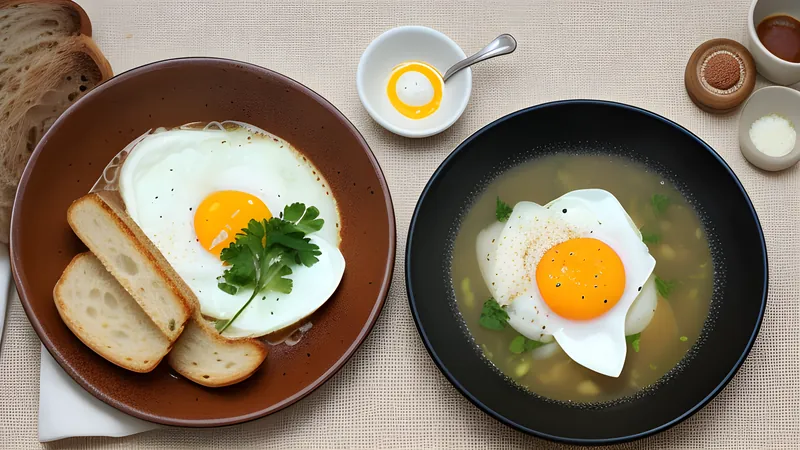
Stale bread, a whole head of garlic and smoked pimentón, with an egg poached in the broth
Contents
↓ Jump to recipeSopa de ajo is what you make when there is nothing in the house. That is not a figure of speech - it is the entire origin of the dish. Stale bread, a head of garlic, a spoon of paprika, water or whatever stock you can muster, and an egg if you are lucky. It is the poverty food of the Castilian meseta, the high dry plateau in the middle of Spain where winters are hard and larders were once bare, and it has fed shepherds, farmhands and monks for centuries on almost nothing at all.
What astonishes me every time I make it is how much flavour comes out of so little. There is no meat unless you count the stock, no cream, no vegetables beyond the garlic. The depth comes entirely from three cheap things treated with respect: garlic fried slowly until sweet, smoked paprika bloomed in oil, and stale bread cooked until it dissolves into the broth and gives the whole thing a thick, spoonable body. The egg on top turns a bowl of thickened bread-water into something that eats like a proper meal.
Sopa de Ajo: Castilian Garlic Soup with a Poached Egg
Ingredients
- 6 tbsp Spanish olive oil
- 1 whole head of garlic (about 10 cloves), thinly sliced
- 150 g stale rustic bread, torn into rough chunks
- 1.5 tbsp smoked sweet pimentón (Spanish smoked paprika)
- 0.5 tsp smoked hot pimentón (optional)
- 1.2 litres chicken or ham stock, hot
- 1 bay leaf
- 4 large eggs
- Salt and black pepper
- Chopped parsley, to serve
Method
- Heat the olive oil in a wide heavy pan or earthenware cazuela over medium-low heat. Add the sliced garlic and fry very gently for 4-5 minutes, stirring, until pale gold and fragrant. Do not let it brown, or it will turn bitter.
- Add the torn bread and turn it through the garlicky oil for 2-3 minutes so it soaks up the fat and begins to toast at the edges.
- Take the pan off the heat and stir in the pimentón. Off the heat is important: paprika scorches in seconds in hot oil and turns acrid. Stir for 10 seconds so it coats everything.
- Immediately pour in the hot stock and add the bay leaf. Return to the heat, bring to a gentle simmer and cook for 15-20 minutes, stirring now and then, until the bread has completely collapsed and thickened the soup.
- Taste and season with salt and pepper. The soup should be thick, brick-red and porridge-like; loosen with a little more hot stock if it is too dense.
- Reduce the heat so the soup barely trembles. Crack the eggs onto the surface, spacing them apart, cover the pan and poach for 3-4 minutes until the whites are set but the yolks still soft.
- Ladle into bowls, giving each one an egg, and finish with chopped parsley and a twist of black pepper.
Peasant food with a monastic streak
Sopa de ajo - also called sopa castellana - belongs to the great European family of bread soups, the ones invented to use up loaves gone too hard to eat. Every poor region with a bread culture has one, from Tuscan ribollita to French panade, and they all share the same logic: bread is precious, bread never gets thrown away, and yesterday’s loaf becomes today’s dinner.
In Castile the soup carried a particular association with Lent and with the long fasts of the religious calendar, when meat was forbidden and a filling, warming, meatless bowl was exactly what you needed to get through a cold morning. It was breakfast as often as supper - shepherds and labourers ate it at dawn before heading out into the cold, and there are old accounts of it being cooked over the embers of the night’s fire in a communal pot. That plainness is the point. This is a dish that has never pretended to be anything grand, and it is all the better for it.
Garlic: slow and gold, never brown
A whole head of garlic sounds aggressive, and if you burned it, it would be. The trick is the temperature. You want the garlic to cook slowly in plenty of olive oil over medium-low heat until it turns pale gold and sweet, its harsh raw edge cooked right out. Sliced thin, it softens in four or five minutes and perfumes the oil, which becomes the flavour base for everything that follows.
Watch it like a hawk in those minutes, because there is a narrow line between gold and brown, and once garlic browns it turns bitter and acrid - a bitterness that will haunt the whole pot. If you see it darkening too fast, pull the pan off the heat and let it coast. Gentle and patient wins here; this is the one moment in the recipe where rushing ruins everything.
The pimentón moment, and why it goes in off the heat
Smoked pimentón is the soul of the soup and the source of its deep brick-red colour and that whisper of woodsmoke behind the garlic. Spanish smoked paprika is dried over oak fires, which gives it a character sweet Hungarian paprika simply does not have, so it is worth seeking out the real thing rather than substituting.
Here is the single most important instruction in the recipe: add the paprika off the heat. Paprika is full of sugars and it scorches almost instantly in hot oil, turning from sweet and smoky to bitter and burnt in the time it takes to stir it twice. Pull the pan off the flame, stir the paprika through the garlic and bread for ten seconds so it coats everything, then get the hot stock in straight away to bring the temperature down. Get this wrong and the whole soup tastes of burnt dust; get it right and it tastes of smoke and sweetness.
Bread does the thickening
The stale bread is not a garnish - it is the thickener, the starch that turns thin stock into a spoonable soup. Use a proper rustic loaf with an open, chewy crumb, torn into rough chunks rather than neat cubes, so it breaks down unevenly and gives the soup texture. It genuinely needs to be stale: fresh bread turns to gluey paste, while day-old or older bread drinks up the stock and then collapses into a soft, porridge-like body that holds together beautifully.
Fifteen to twenty minutes at a gentle simmer is usually enough for the bread to dissolve. Stir now and then to help it break down and to stop it catching on the base. The finished consistency is a matter of taste - some like it almost solid enough to stand a spoon in, others prefer it looser and more brothy. Loosen with extra hot stock if it tightens too much; it will keep thickening as it sits.
The egg, poached in the pot
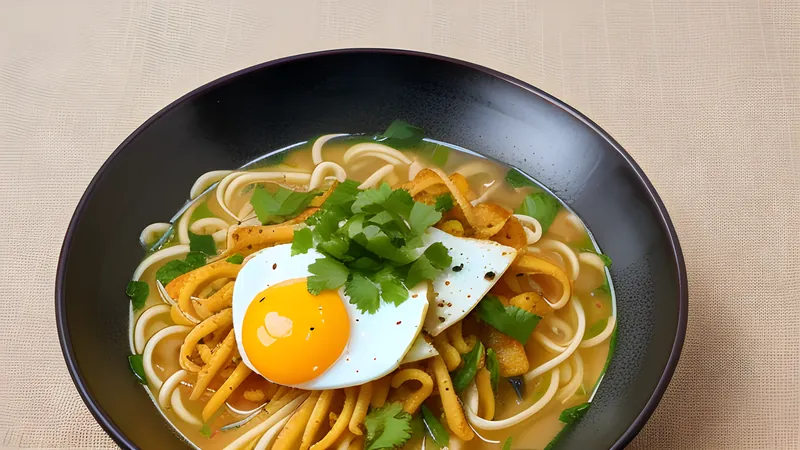
The classic finish is a whole egg poached directly in the hot soup, which is both the cleverest and the laziest way to poach an egg I know. There is no vinegar, no vortex, no fishing about - the thick soup cradles the egg and holds its shape while it sets. Get the soup down to a bare tremble first, crack the eggs onto the surface spaced apart, put a lid on, and let them poach in the residual heat for three or four minutes until the whites set and the yolks stay soft.
The soft yolk is the point: when you break it at the table it runs into the smoky broth and enriches it, doing the same job cream does in a richer soup. If you are cooking for a crowd and poaching four eggs in one pot feels precarious, you can beat the eggs and stir them through the hot soup instead, Castilian-style, so they set in ribbons like egg-drop soup - a genuinely traditional alternative and a little more forgiving. Traditional cazuela versions sometimes crack the eggs on top and slide the whole earthenware dish under a hot grill until the whites set and the tops just catch.
Getting the stock right
With so few ingredients, the stock carries real weight. A good chicken stock is fine; a ham stock, made from a gammon knuckle or the bone off a joint, is even better and pushes the soup towards its Castilian roots, where jamón trimmings often went into the pot. Even water works, honestly, if the garlic and paprika are handled well - this soup was born on water, after all - but if you have stock, use it. Season carefully at the end, remembering that a ham stock is already salty, so taste before you reach for the salt.
Variations and storage
Some cooks add a little cumin, which suits the smokiness; others slip in a slice of chorizo or a scatter of jamón for a less austere, meatier bowl. A pinch of hot pimentón alongside the sweet gives it a gentle kick without turning it into a chilli soup. All of these are fair game - the dish has been improvised for centuries and expects it.
The base keeps well for two or three days in the fridge and reheats happily, though it thickens as it stands, so add hot stock to loosen it. Poach the eggs fresh each time you serve rather than storing the soup with eggs already in it. It does not freeze - the bread turns pasty and the texture never fully recovers.
For another spare, thrifty dish built on stale bread fried in good oil, look at Migas with Tortilla, Egg and Chorizo, which solves the same yesterday’s-loaf problem in a drier, fried form. And for a heartier Spanish pot leaning on the same smoked pimentón, try Chickpea and Chorizo Stew with Spinach.
Related Content