Smashed Avocado with Dukkah, Feta and Chilli Flakes on Sourdough
The café classic rescued by a homemade hazelnut-and-spice dukkah
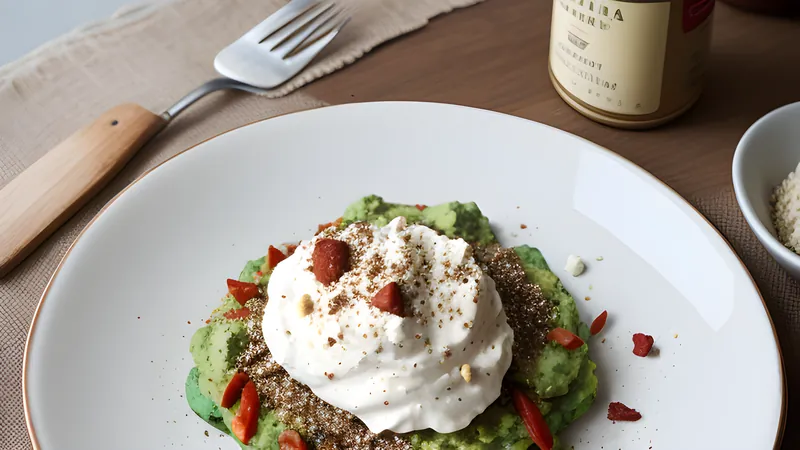
Smashed Avocado with Dukkah, Feta and Chilli Flakes on Sourdough
Ingredients
- 2 thick slices good sourdough
- 2 ripe avocados
- 1 lemon, halved
- 60g feta, crumbled
- 1 garlic clove, halved (for rubbing)
- A good olive oil, to drizzle
- 0.5 tsp chilli flakes (Aleppo or ordinary)
- Flaky sea salt and black pepper
- For the dukkah (makes a small jar):
- 50g blanched hazelnuts
- 2 tbsp sesame seeds
- 1 tbsp coriander seeds
- 1 tbsp cumin seeds
- 1 tsp fennel seeds (optional)
- 0.5 tsp flaky salt
Method
- Make the dukkah first. Toast the hazelnuts in a dry frying pan over a medium heat for 4 to 5 minutes until golden and fragrant, then tip into a bowl.
- In the same pan, toast the coriander, cumin and fennel seeds for a minute until aromatic, then add the sesame seeds and toast for another minute until pale gold. Tip out to cool.
- Pulse the cooled nuts and seeds with the salt in a small processor, or pound in a pestle and mortar, to a coarse, sandy rubble, not a paste. Set aside.
- Toast the sourdough until deeply golden and crisp, then rub each slice lightly with the cut garlic clove and drizzle with olive oil.
- Halve, stone and scoop the avocado into a bowl. Add a good squeeze of lemon, a pinch of salt and pepper, and smash with a fork to a chunky, spreadable mash.
- Pile the smashed avocado generously onto the toast and spread to the edges.
- Crumble over the feta, scatter generously with dukkah and chilli flakes, finish with a drizzle of olive oil and a final pinch of flaky salt, and serve at once.
Avocado on toast has been mocked so thoroughly that it is easy to forget it became a phenomenon for a genuinely good reason: when it is done well, it is delicious. The problem is that it is so often done badly, a sad beige smear on cold toast. This version fixes that with one transformative addition, a homemade dukkah, the Egyptian blend of toasted nuts, seeds and spices that turns a soft, mild slice of toast into something with crunch, warmth and proper savoury depth. Make a jar of it once and you will find yourself scattering it over everything for weeks.
1 What dukkah actually is
Dukkah, sometimes spelled duqqa, comes from Egypt, where it has been eaten for centuries as a humble street and home food. The name derives from the Arabic verb meaning “to pound” or “to crush”, which tells you exactly how it is made: nuts, seeds and spices toasted and then pounded together into a coarse, dry, sandy mixture. Traditionally it is eaten by dipping bread first into good olive oil and then into the dukkah, so the rubble clings to the oily bread. It is the kind of food born of resourcefulness, a way to make plain bread into something nourishing and full of flavour.
Every family and region has its own version. Hazelnuts and sesame form the backbone of the most familiar style, with coriander and cumin seeds for warmth, but you will find dukkah made with almonds, pistachios, chickpeas, peppercorns or dried mint. The point is the contrast it brings: crunch against soft, toasty against fresh, savoury and aromatic against mild. On smashed avocado it is a revelation, supplying everything that plain avocado toast lacks.
2 Toasting and pounding
The whole character of dukkah lives in the toasting. Take it seriously and do each element with care. Toast the hazelnuts until they are golden right through and smell biscuity, then the whole spices until they release their fragrance, and the sesame seeds last because they catch quickly. Toasting is what wakes up the volatile oils in the spices and deepens the nuts, and skipping it leaves the blend flat and dusty.
Then comes the crucial bit: do not overwork it. Dukkah should be a coarse, uneven rubble, not a smooth paste. The moment the nuts release their oil and start clumping you have gone too far and made something closer to a nut butter. A few short pulses in a processor, or a brief session with a pestle and mortar, is all it needs. You want distinct flecks of nut and seed so each bite has texture. It keeps for a month or more in a sealed jar, so always make more than you need.
3 Building the toast
The toast itself matters more than people admit. Use a sturdy, properly sour sourdough and toast it until it is deeply golden and crisp enough to stand up to the topping; soft, pale toast collapses under the weight of avocado. A quick rub with a cut garlic clove over the hot surface, the way Italians make bruschetta, adds a gentle savoury note without raw bite. Smash the avocado with a generous squeeze of lemon and plenty of seasoning, keeping it chunky rather than puréeing it to baby food, then pile it on thick.
The finishing flourishes are not optional. Crumbled feta brings a salty, creamy tang that plays off the rich avocado, the chilli flakes lend a warm edge, and a final slick of good olive oil ties it all together. Then the dukkah, scattered with abandon over the top.
4 Tips and variations
Ripeness is everything for the avocado: you want it yielding but not stringy or brown, so buy a day or two ahead and let it ripen on the counter. If your avocados are stubbornly firm, this is not the day for this dish. For a more substantial brunch, top each slice with a poached or fried egg, the runny yolk mingling gorgeously with the avocado and dukkah. A few halved cherry tomatoes or some quick-pickled red onion add brightness, and a handful of rocket or coriander works well too.
Swap the feta for a soft goat’s cheese, or leave it out and add extra flaky salt to keep things vegan. And do keep that jar of dukkah by the stove: on roasted vegetables, eggs, soups, hummus or simply with bread and oil, it earns its place many times over.
Related Content