Smacked Cucumber Salad (Pai Huang Gua)
Cracked open, so the dressing has somewhere to hide
Contents
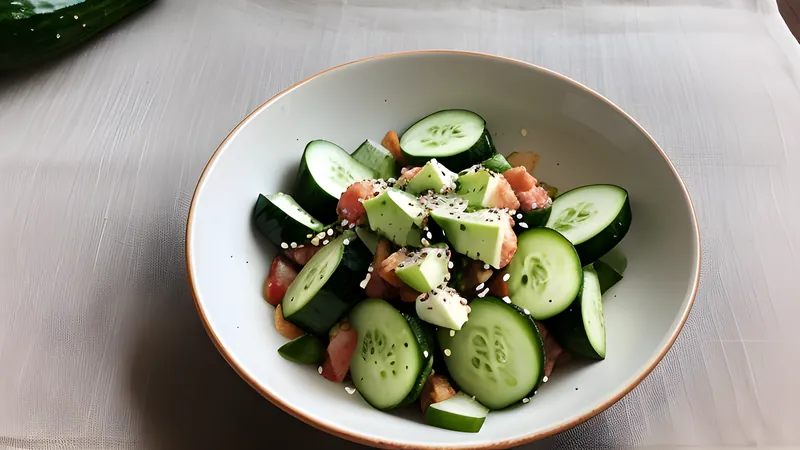
↓ Jump to recipePai huang gua does not want a neat dice. It wants to be hit — smacked flat with the side of a cleaver until it splits into rough, craggy shards — because a torn, fractured surface holds a garlicky black-vinegar dressing in a way a clean-cut cucumber never will. This is the version I make when I want something cold, sharp and instant to cut through a heavy meal, and the smacking is not showmanship. It is the whole technique.
Smacked Cucumber Salad (Pai Huang Gua)
Ingredients
- 3 mini (Persian) cucumbers, or 1 large English cucumber
- 1 tsp fine salt, for draining
- 3 cloves garlic, finely minced
- 3 tbsp Chinkiang (black) vinegar
- 1 tbsp light soy sauce
- 1 tsp caster sugar
- 1 tsp toasted sesame oil
- 1 to 2 tsp chilli oil, with sediment, to taste
- 1 tbsp roasted peanuts, roughly crushed
- 1 tbsp toasted sesame seeds
- A small handful of coriander leaves, roughly chopped
Method
- Trim the ends off the cucumbers, then lay each one on a chopping board and strike it firmly along its length 3 or 4 times with the flat side of a heavy knife or a rolling pin, until the skin cracks and the flesh splits.
- Tear the cracked cucumbers into rough, bite-sized chunks by hand, following the natural fracture lines rather than cutting them.
- Toss the torn cucumber with the salt in a colander set over a bowl and leave to drain for 15 minutes, then tip onto a clean tea towel and pat dry.
- Whisk together the minced garlic, black vinegar, light soy sauce, sugar, sesame oil and chilli oil in a small bowl until the sugar dissolves.
- Toss the drained cucumber with the dressing in a serving bowl, making sure every craggy piece is coated.
- Scatter over the crushed peanuts, sesame seeds and coriander just before serving, and eat within the hour.
A Beijing banquet starter, gone everywhere
Pai huang gua translates roughly as “patted yellow cucumber”, named for the pale, slightly yellowed cucumber varieties traditionally used in northern China, and it belongs to a long tradition of cold appetisers, liangcai, that open a Chinese banquet before the hot dishes arrive. Cold dishes serve a real function at a Chinese table: they are prepared ahead, served at room temperature or chilled, and give guests something bright and appetite-sharpening to eat while the kitchen works through the main courses. Smacked cucumber, alongside dishes like cold sliced beef shin or wood ear mushroom salad, is a fixture of that opening course across much of northern and central China, and it has since spread onto Sichuan restaurant menus everywhere, usually dressed with a heavier hand of chilli oil and Sichuan peppercorn than its northern ancestor.
The smacking technique itself is old and pragmatic rather than decorative. Chinese home cooks have long used the flat of a cleaver for jobs that a knife’s edge does badly — crushing garlic, flattening chicken breast, breaking open ginger to release its oils — because the broad, heavy blade delivers force over a wide area without the precision (or risk) of the sharp edge. Applying that same logic to a cucumber, rather than slicing it, is a small piece of kitchen wisdom that turns a bland vegetable into something with genuine textural interest, and it takes about thirty seconds longer than reaching for a knife.
Sichuan’s version of the dish, sometimes called pai huang gua with chilli oil or listed simply as smacked cucumber on English-language menus, adds Sichuan peppercorn for its buzzing, numbing málà quality alongside the chilli heat, reflecting the province’s love of dressings built to overwhelm rather than merely season. The version below sits closer to the milder, garlic-and-vinegar northern style, with chilli oil as an adjustable, optional heat rather than the main event, because I want the black vinegar to be the flavour you taste first.
Why smacking beats slicing
A knife blade parts cucumber flesh cleanly along a single plane, leaving two smooth, sealed surfaces that a dressing mostly slides off. A firm strike from the flat of a knife or a rolling pin does something structurally different: it crushes the cell walls unevenly along the length of the cucumber, so it splits and cracks rather than cuts, following whatever weak points exist naturally in the flesh. Tearing along those fracture lines by hand, rather than cutting the cracked cucumber into neat pieces afterwards, keeps that irregular surface intact. The result is a piece of cucumber with far more surface area, more edges and crevices, than a same-sized slice would have — and every one of those crevices is somewhere for the black-vinegar dressing to sit and cling rather than run off.
There is a second reason smacking matters: it starts the process of releasing the cucumber’s water before the salt ever touches it. Bruised, cracked flesh gives up moisture faster than intact flesh, so the subsequent salting-and-draining step works more efficiently and in less time. Skip the smacking and slice the cucumber instead, and you will find the salad tastes noticeably blander, no matter how good the dressing is — the flavour has nowhere to catch.
Getting the strike right takes a little practice but is forgiving. Aim for firm, confident hits; the cucumber should audibly crack and visibly flatten slightly with each strike. Three or four strikes along a mini cucumber is usually enough. Too gentle and it barely splits; too violent and you risk pulverising it into mush, particularly with a softer, watery cucumber. Mini or Persian cucumbers are worth seeking out for this dish because their skin is thin and their flesh is dense and mostly seedless, so they crack cleanly rather than turning to pulp; a large English cucumber works too, but scrape out the watery seed core first with a spoon, since that part turns soggy fast.
The recipe
Serves 4 as a side dish.
Trim the ends from 3 mini cucumbers (or 1 large English cucumber, seeds scraped out). Lay each one on a sturdy chopping board and strike it firmly along its length 3 or 4 times with the flat side of a heavy knife, a rolling pin, or even a small saucepan, until the skin cracks and the flesh visibly splits. Tear the cracked pieces into rough, bite-sized chunks by hand, following the fracture lines rather than reaching for a knife — the irregularity is the point.
Toss the torn cucumber with 1 teaspoon of fine salt in a colander set over a bowl, and leave it to drain for 15 minutes; you will see a surprising amount of liquid collect underneath. Tip the drained cucumber onto a clean tea towel and pat it thoroughly dry, since a wet salad dilutes the dressing.
While it drains, make the dressing. Finely mince 3 cloves of garlic and whisk them together in a small bowl with 3 tablespoons of Chinkiang black vinegar, 1 tablespoon of light soy sauce, 1 teaspoon of caster sugar, 1 teaspoon of toasted sesame oil, and 1 to 2 teaspoons of chilli oil (including a little of its spiced sediment) to your taste, stirring until the sugar has fully dissolved.
Toss the dried cucumber through the dressing in a serving bowl, turning it over so every craggy piece is coated and the dressing has worked into the cracks. Scatter over 1 tablespoon of roughly crushed roasted peanuts, 1 tablespoon of toasted sesame seeds, and a small handful of roughly chopped coriander. Serve within the hour, while the cucumber still has crunch.
Tips, substitutions and storage
Chinkiang vinegar, sold in most Chinese supermarkets as black rice vinegar, is not easily substituted — its malty, faintly sweet depth is unlike Western balsamic or rice vinegar, both of which taste thin and one-note in comparison. If you truly cannot find it, a mix of two parts balsamic to one part rice vinegar gets you closer than either alone, though it is a compromise worth avoiding if you can source the real thing online or from an Asian grocer.
Salt and drain the cucumber properly rather than skipping the step to save time; undrained cucumber waters down the dressing within minutes and turns the whole salad limp. The dressing itself keeps in the fridge for up to a week in a sealed jar, so it is worth making a double batch to have on hand for a fast side dish. Do not dress the cucumber ahead of time, though — once dressed, it should be eaten within the hour, as the salt in the dressing continues drawing water out and the crunch softens.
For a hotter, more Sichuan-leaning version, add a quarter teaspoon of ground toasted Sichuan peppercorn to the dressing along with an extra teaspoon of chilli oil; the numbing tingle it brings is worth trying at least once. Vegetarians and vegans should check the chilli oil brand, since some are made with a fish sauce base — most Sichuan-style ones are plant-based, but it is worth reading the label.
Variations
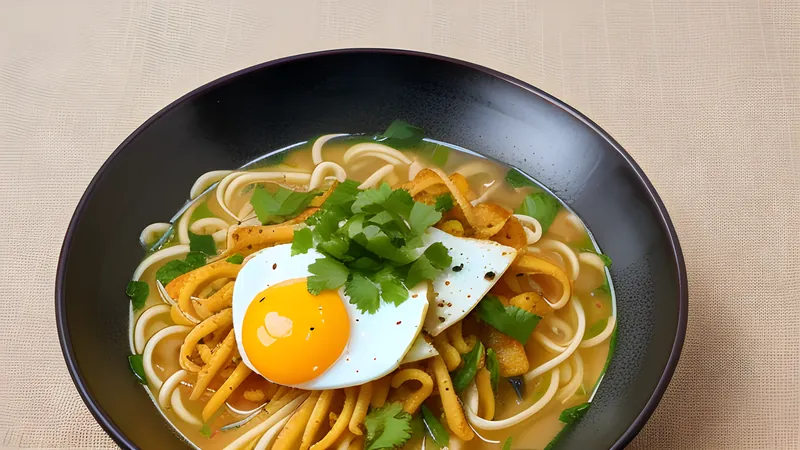
A garlic-heavy Beijing style doubles the garlic and skips the chilli oil almost entirely, letting sharp, raw garlic and the black vinegar do all the work — good if you want something punchier and more savoury than hot. A wood ear mushroom addition — a small handful of reconstituted, thinly sliced black fungus tossed in with the cucumber — is a classic pairing on Chinese menus, adding a wobbly, cartilaginous texture that contrasts nicely with the cucumber’s crunch. And a cold-noodle version turns the salad into more of a meal: toss the dressed cucumber through cold, cooked wheat noodles with an extra tablespoon of the dressing, a fried egg on top, and you have a full lunch built from the same jar of black vinegar.
It sits well alongside other cold, punchy starters on a shared table — a plate of scallion pancakes for something warm and crisp to balance it, or ahead of a big bowl of dan dan noodles if you want the same black-vinegar, chilli-oil register carried through the whole meal.
Serve it properly chilled rather than at room temperature; the cold sharpens the vinegar and makes the whole thing feel more like a palate reset than a side dish, which is exactly the job it is meant to do at a banquet table. If your kitchen runs warm, pop the serving bowl in the freezer for five minutes before plating up. And do not skip the peanuts — their fat and crunch are what stop the salad tasting purely acidic, rounding out a dressing that would otherwise be all vinegar and heat. A well-made pai huang gua should make you reach for a second forkful before you have finished the first, which is as good a measure of a cold dish as any.
Related Content