Sesame Prawn Toast, Crisp and Golden
The takeaway starter you can make better at home
Contents
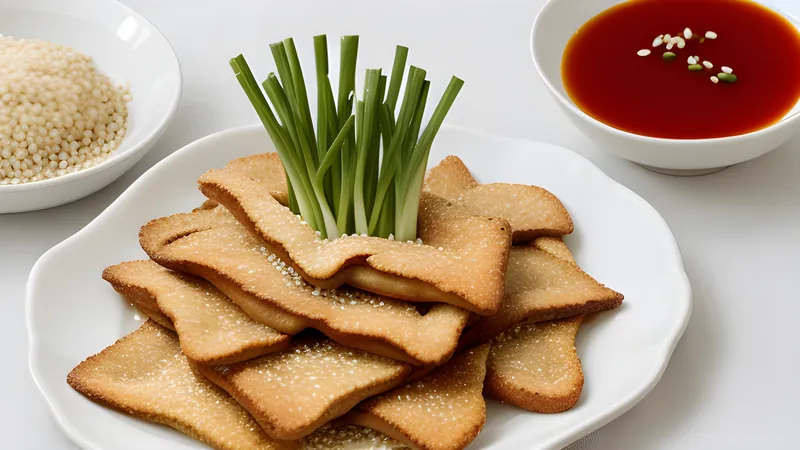
↓ Jump to recipeThe best sesame prawn toast I have ever eaten was not in a restaurant. It came out of my own wok on a rainy Friday, and it ruined the takeaway version for me forever. Made fresh, the prawn layer is springy and sweet, the sesame crust shatters like glass, and the bread underneath stays light because it has not been sitting under a heat lamp. This is a dish that is genuinely better at home, and it is far less fiddly than its reputation suggests.
Sesame prawn toast is a British-Chinese restaurant staple, a fixture of the takeaway menu that most people have eaten a hundred times and never made. The clever twist I insist on is using slightly stale bread rather than fresh; a day-old slice absorbs less oil and fries up crisper, which is the difference between a light starter and a greasy one. Everything else is technique, and none of it is hard.
Sesame Prawn Toast, Crisp and Golden
Ingredients
- 250g raw peeled prawns, deveined
- 4 slices white bread, a day or two old
- 1 egg white
- 1 spring onion, roughly chopped
- 1 tsp finely grated fresh ginger
- 1 small garlic clove
- 1 tsp light soy sauce
- 1 tsp Shaoxing rice wine (or dry sherry)
- 1 tsp toasted sesame oil
- 0.5 tsp caster sugar
- 0.25 tsp white pepper
- 1 tbsp cornflour
- 6-8 tbsp white sesame seeds
- neutral oil for deep-frying (about 750ml)
- sweet chilli sauce or Chinkiang vinegar, to serve
Method
- Pat the prawns very dry. Blitz in a food processor with the egg white, spring onion, ginger, garlic, soy, Shaoxing wine, sesame oil, sugar, white pepper and cornflour to a slightly coarse, sticky paste.
- Trim the crusts from the bread. Spread the prawn paste thickly and right to the edges of each slice, doming it slightly in the centre, about 1cm deep.
- Tip the sesame seeds onto a plate. Press each slice paste-side down firmly into the seeds so they coat the surface completely. Cut each slice into 4 triangles.
- Heat the oil in a wok or deep pan to 170C. Test with a cube of bread: it should sizzle steadily and turn golden in about 40 seconds.
- Fry in batches of 4-5, prawn-side (sesame-side) down first, for about 90 seconds until deep golden, then flip and fry the bread side for 45-60 seconds until crisp.
- Lift out with a slotted spoon and drain on a rack or kitchen paper. Serve hot with sweet chilli sauce or black vinegar.
Where prawn toast comes from
The dish sits in an interesting corner of food history. Deep-fried prawn-paste toasts, or xiā duō shì, appear in Cantonese and Fujianese cooking, and the name itself is a phonetic borrowing: “duō shì” is a rendering of the English word “toast”, which tells you the dish grew up around the meeting of Chinese cooking and Western sliced bread in the port cities and later in the diaspora. It became a defining item of the mid-twentieth-century Chinese restaurant scene in Britain and America, where it was pitched to Western diners as an approachable, crunchy starter.
That history is written into the ingredients: soft Western sandwich bread, which Chinese kitchens did not traditionally use, meeting a classic Cantonese prawn mousse seasoned with ginger, spring onion and Shaoxing wine. It is a proper hybrid, and it has earned its place on the menu for good reason. Made well, it is one of the great fried snacks.
The prawn paste, and why texture is everything
The heart of the dish is the prawn mousse, and the goal is a paste that is springy and cohesive rather than mushy. A few things make that happen.
First, dry the prawns thoroughly with kitchen paper before you blitz them. Excess water makes a loose paste that slides off the bread and spits in the oil. Second, the egg white and cornflour are structural: the egg white sets and gives lift, while the cornflour binds and helps the paste grip the bread. Third, do not over-process. You want a paste with a little texture left in it, so that you can still feel you are eating prawns. Blitz in short pulses and stop while it is still slightly coarse.
The seasoning is a classic Cantonese trio of ginger, spring onion and a splash of Shaoxing wine, rounded with a little sugar and white pepper. White pepper matters here; it has a different, more floral heat than black and is the authentic note. A teaspoon of toasted sesame oil in the paste itself deepens the sesame theme that the crust delivers on the outside.
Bread, sesame and the assembly
Use plain white sliced bread, the cheap soft kind, and let it dry out a little. If your bread is fresh, leave the slices uncovered on a rack for an hour or lay them briefly in a low oven. Trim the crusts so the toast fries evenly and the edges crisp all the way round.
Spread the paste thickly, about 1cm, and right to the very edges. A thin, patchy layer will fry unevenly and the prawn will feel mean. Dome it very slightly in the middle. Then press the paste side firmly into a plate of sesame seeds so the whole surface is coated; press hard enough that the seeds embed and will not fall off in the oil. Cut into triangles now, while the paste is firm, using a sharp knife so you get clean edges rather than dragging the topping.
Frying without fear
Deep-frying at home unsettles a lot of people, but with a thermometer and a bit of care it is straightforward. Heat the oil to 170C. Too hot and the sesame seeds scorch before the prawn cooks through; too cool and the bread drinks oil and turns heavy. If you have no thermometer, drop in a cube of bread: it should sizzle steadily and colour in about 40 seconds.
Fry sesame-side down first. This sets the prawn layer and toasts the seeds without letting them tip past golden into burnt. Give it about 90 seconds, then flip and give the bread side another 45 to 60 seconds until it is crisp and pale gold. Work in small batches of four or five so the oil temperature does not crash; crowding the pan is the single most common cause of soggy prawn toast. Drain on a wire rack rather than paper if you can, so steam escapes from underneath and the base stays crisp.
The same care about oil temperature and batch size runs through my salt and pepper squid with chilli, which is a natural companion if you are cooking a spread of crisp, savoury starters.
Tips, make-ahead and variations
Make-ahead. You can assemble the toasts, cut them, and freeze them raw on a tray, then bag them once solid. Fry from frozen at a slightly lower 165C, adding about 30 seconds a side. This is what makes the dish genuinely convenient: a batch in the freezer is a party starter on ten minutes’ notice.
Baked or air-fried. For a lighter version, brush the sesame side with oil and bake at 200C for 12-15 minutes, or air-fry at 190C for about 10, turning once. The texture is different, more crunchy than shattering, but honest and much less oily.
Flavour swaps. A little grated water chestnut folded through the paste adds a lovely crunch and is traditional in some versions. A teaspoon of grated lime zest brightens it. For a smoky note, add a quarter-teaspoon of Chinese five-spice to the paste.
Prawn quality. Use raw prawns, never cooked; cooked prawns go rubbery when fried again and will not bind into a proper mousse. Frozen raw prawns, thoroughly defrosted and dried, are perfectly good and often better value than fresh.
Dipping. Sweet chilli sauce is the takeaway default and works, but I love a saucer of Chinkiang black vinegar for its sharp, malty contrast to the rich fried crust. A little soy with sliced chilli and a drop of sesame oil is good too.
The case for making it yourself
Sesame prawn toast has a reputation as a treat you order rather than cook, and I understand why: deep-frying feels like effort. But the payoff is real. You control the prawn, so it tastes of prawn rather than filler. You control the oil, so it is fresh and clean. And you eat it seconds out of the pan, at the exact moment it is at its crisp, hot best, which no delivery can match.
Serve it as a starter with a cold beer, or pile a plate of it in the middle of the table alongside my garlic-butter prawns with sourdough for a shellfish feast that costs a fraction of the restaurant equivalent. Once you have made it once and seen how forgiving it is, it stops being a takeaway order and becomes something you make on a whim, because the bread was going stale and you happened to have a bag of prawns in the freezer.
One last thing worth saying: this is a brilliant way to use up prawns that are close to their date and bread that has gone past sandwich-worthy. Two things heading for the bin become the best starter on the table, which is the kind of kitchen economy I never tire of.
Related Content