Sausage Rolls with a Flaky Puff and Fennel
Proper pork sausage rolls with toasted fennel seed in the meat and a shatteringly crisp all-butter puff
Contents
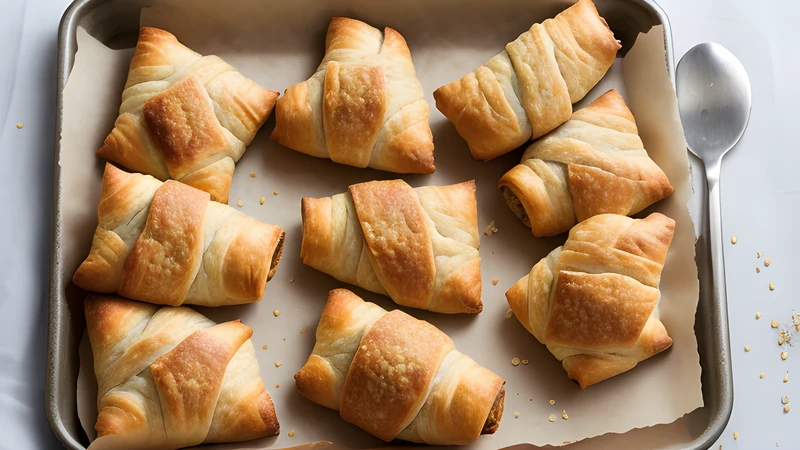
↓ Jump to recipeA good sausage roll is one of the small glories of British baking: a coil of shattering, buttery pastry around a well-seasoned core of pork, warm from the oven, eaten standing up at a party or cold from a paper bag on a train. The shop versions range from the genuinely excellent to the grey and greasy, and the homemade ones are almost always better than both, because you control the meat, the seasoning and the pastry. This recipe seasons the filling properly and folds in toasted fennel seed, whose warm aniseed note is the classic partner to pork, and it takes the trouble to keep the pastry crisp underneath rather than soggy, which is where most sausage rolls fall down.
Sausage Rolls with a Flaky Puff and Fennel
Ingredients
- 500g good pork sausagemeat (or skinned sausages, at least 90% pork)
- 1 x 320g sheet all-butter puff pastry (or a 375g block, rolled)
- 2 tsp fennel seeds
- 1 small onion, very finely chopped
- 1 tbsp olive oil
- 2 cloves garlic, crushed
- 40g fresh white breadcrumbs
- 1 tbsp Dijon mustard
- 1 tbsp chopped fresh sage (or 1 tsp dried)
- 1/2 tsp fine salt
- 1/2 tsp black pepper
- Pinch of grated nutmeg
- 1 egg, beaten, for glazing
- 1 tsp fennel seeds and flaky sea salt, for the tops
Method
- Toast the 2 tsp fennel seeds in a dry frying pan over medium heat for 1 to 2 minutes until fragrant, then tip out. Lightly crush half of them in a mortar, leaving the rest whole.
- In the same pan, soften the chopped onion in the olive oil over medium-low heat for 8 minutes until translucent and sweet, adding the garlic for the last minute. Cool completely.
- In a bowl, combine the sausagemeat, cooled onion and garlic, toasted fennel, breadcrumbs, mustard, sage, salt, pepper and nutmeg. Mix with your hands until evenly blended but not pasty.
- Fry a teaspoon of the mixture in the pan, taste it, and adjust the salt and pepper — this is the only chance to check the seasoning before baking.
- Unroll the puff pastry on its paper and cut in half lengthways to give two long strips. Divide the sausagemeat in two and shape each half into a long sausage down the centre of each strip, a little in from one long edge.
- Brush the far long edge with beaten egg. Roll the pastry over the meat to enclose it, finishing seam-side down. Press the seam to seal and trim any thick overlap.
- Brush the tops with beaten egg, scatter with fennel seeds and flaky salt, and cut each long roll into 6 pieces. Snip 2 or 3 small vents in the top of each with scissors or a knife.
- Chill the assembled rolls on a lined tray for 20 minutes while the oven heats to 200C fan (220C conventional). Chilling firms the butter so the pastry puffs and stays crisp.
- Bake for 25 to 30 minutes until deep golden and puffed, and the pastry base is cooked through and crisp. Cool on a rack for 5 minutes before eating.
The sausage roll and its place
The sausage roll as we know it — seasoned forcemeat wrapped in pastry — descends from a long line of European meat-in-pastry cookery, but the specific British snack took shape in the nineteenth century, when puff pastry became widely made and pork was the cheap, plentiful meat. By the early twentieth century it was a staple of bakeries, buffets and packed lunches up and down the country, and it has never gone away. It is the food of the funeral spread and the office Christmas do, of the village fête and the motorway services, democratic and unpretentious and quietly beloved.
Its modern renaissance owes a great deal to Greggs, the bakery chain whose sausage roll became a genuine cultural object — the subject of newspaper column inches, of a vegan version that made national news in 2019, and of the kind of affection usually reserved for something far grander. That a hot pastry snack costing about a pound can generate headlines tells you how deep the sausage roll runs in British life. Making your own puts you in the same family as the cheese and onion pasty and the Scotch egg with a runny yolk: honest, portable, savoury baking that rewards a bit of care.
The fennel twist
Fennel seed and pork are one of those pairings that feels inevitable once you have tried it — it is the defining note of Italian sausage, of Tuscan porchetta, of finocchiona salami. The seeds bring a warm, sweet, faintly liquorice aroma that lifts the fattiness of the pork and stops the filling tasting flat. Toasting them first, in a dry pan until they smell fragrant, deepens that flavour and is worth the extra minute. Crushing half and leaving half whole gives you two things at once: the crushed seeds perfume the whole filling, while the whole ones give little bursts of aniseed as you bite. Scattering a few more over the egg-washed tops, along with flaky salt, makes them look the part and adds a toasty crunch.
The rest of the seasoning is what turns plain sausagemeat into something worth eating. Softened onion and garlic bring sweetness and savour, Dijon adds a background tang, sage gives the traditional herbal note, and a pinch of nutmeg does the quiet, hard-to-place thing that good charcuterie always has. The one rule you must not break: fry a small nugget of the mix and taste it before you roll anything up. Raw sausagemeat under-seasons in the eating, and once it is wrapped in pastry you have no way to fix it.
Keeping the pastry crisp
The great enemy of the sausage roll is the soggy bottom, where steam and rendered fat from the meat soak into the pastry base so it steams instead of crisps. Several things guard against it. Cooling the onion completely before it goes near the pastry means you are not introducing warmth that melts the butter early. Chilling the assembled rolls for twenty minutes before they bake firms the butter in the pastry, so that when they hit the hot oven the water in the butter flashes to steam and drives the layers apart — this is what makes puff pastry puff, and it only works if the butter goes in cold. And a properly hot oven, 200C fan, sets the pastry fast and renders the fat cleanly rather than letting it stew.
Cutting small vents in the tops matters too. They let the steam that builds up inside escape upward instead of forcing it down into the base, and they stop the rolls from splitting messily at the seam. Baking on the paper the pastry came on, on a solid metal tray, gives good heat contact underneath; if you have a perforated tray or a preheated baking stone, better still. Give the rolls a few minutes on a wire rack when they come out, so the bases finish crisping in the air rather than sweating on a hot tray.
All-butter puff, shop-bought and homemade
Making puff pastry from scratch is a genuine pleasure and a genuine faff, and for sausage rolls a good all-butter block from the shop is honestly excellent — buy all-butter, never the vegetable-fat kind, because the flavour and the crisp are in the butter. If you do want to make your own, a rough puff (grating cold butter into the flour and giving it a few folds) is quicker than the full laminated version and more than good enough here. Whichever you use, keep it cold at every stage; the moment the butter starts to soften and smear you lose the layers.
Roll and shape on the paper to save handling, keep your movements quick, and if the pastry ever goes soft and greasy, stop and put it back in the fridge for ten minutes. Cold pastry is workable pastry.
Make-ahead, freezing and serving
Sausage rolls are a brilliant thing to prepare ahead. Assemble them fully, then freeze them raw on a tray before transferring to a bag; bake straight from frozen with an extra five minutes or so, and you have hot sausage rolls on demand for a party or a visitor. Baked ones keep in an airtight tin for two or three days and reheat well in a hot oven for a few minutes to re-crisp the pastry — avoid the microwave, which turns the crisp pastry to leather. They are good hot, warm or cold, and a cold sausage roll with a smear of the homemade brown sauce is one of the more honest pleasures available to anyone.
Serve them as party food with mustard, brown sauce or a sharp chutney; pack them into lunchboxes and picnics; or make them larger — cut each long roll into three or four instead of six — for a proper lunch with a salad. A cold one, a flask of tea and a train window is arguably their natural habitat.
Variations
For a bit of heat, work a teaspoon of chilli flakes or a spoon of harissa into the filling. For an autumnal version, add a couple of tablespoons of grated apple or some finely chopped cooked chestnut, both of which love pork. Swap the sage for thyme and add grated lemon zest for a fresher, brighter roll. For a richer, porkier depth, replace a quarter of the sausagemeat with good black pudding, crumbled in. And for a vegetarian tray, a filling of well-seasoned spiced lentils, mushroom and chestnut wrapped the same way makes a sausage roll that carnivores happily eat too.
Related Content