Sardines on Toast with Charred Lemon
The five-minute supper that eats like a small holiday
Contents
↓ Jump to recipeThere is a particular kind of hunger that arrives at half past one on a working Tuesday, when lunch has slipped past its window and the fridge holds nothing but condiments and half an onion. This is the dish I reach for. Two tins from the back of the cupboard, a heel of yesterday’s bread, and eight minutes later I am eating something that tastes like the good part of a seaside holiday. The whole trick sits in a charred lemon, and once you have made it this way you will struggle to squeeze a raw one over fish again.
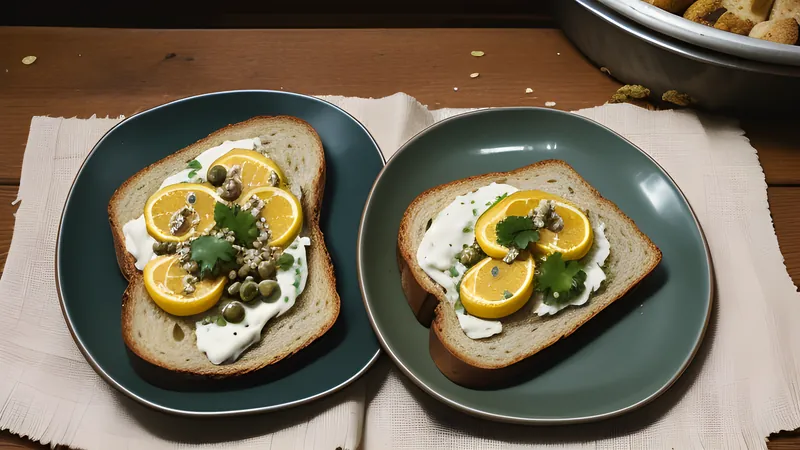
Sardines on toast is a store-cupboard classic that Britain has quietly relied on for over a century, and it deserves more respect than it usually gets. The upgrade here is small and cheap: you scorch a lemon cut-side down in a screaming pan until the sugars in the flesh caramelise, which tames the sourness and adds a smoky, almost savoury depth. Paired with brown butter, it turns a humble tin into a plate you would happily serve a guest.
Sardines on Toast with Charred Lemon
Ingredients
- 2 tins sardines in olive oil (about 120g each drained)
- 2 thick slices sourdough or good country bread
- 1 unwaxed lemon, halved
- 30g unsalted butter
- 1 fat garlic clove, halved
- 1 tbsp extra-virgin olive oil, plus more to finish
- 1 small shallot, finely sliced
- 1 tbsp capers, drained
- small handful flat-leaf parsley, roughly chopped
- pinch dried chilli flakes
- flaky sea salt and black pepper
Method
- Set a dry heavy frying pan over high heat. Press the cut faces of the lemon halves into the hot pan and leave undisturbed for 2-3 minutes until deeply charred and caramelised. Set aside.
- Toast the bread until crisp and golden. While it is still hot, rub each slice with the cut face of the garlic clove.
- Wipe the pan, add the butter and melt over medium heat, swirling, until it foams, smells nutty and turns pale hazelnut, about 2-3 minutes. Add the chilli flakes off the heat.
- Lift the sardines from their tins and lay them over the toast. Spoon the warm brown butter over the fish.
- Scatter over the sliced shallot, capers and parsley. Squeeze the charred lemon generously across the top.
- Finish with a thread of olive oil, flaky salt and black pepper. Serve at once, with the spent lemon halves on the plate for a final squeeze.
Why tinned sardines are a serious ingredient
Let me clear up the snobbery first. Tinned sardines are among the best-value, most nutritious things you can buy, and the good ones are a genuine delicacy in Spain, Portugal and France, where people cellar vintage tins the way others cellar wine. The fish are caught, cooked and sealed within hours, so they often taste fresher than the “fresh” sardines wilting on a supermarket ice bed. They carry a serious dose of omega-3s, calcium (the soft bones are edible and good for you), and vitamin D, which matters through a British winter.
Buy sardines packed in olive oil rather than sunflower oil or brine; the oil is part of the flavour and you want it to be worth tasting. Spanish and Portuguese brands tend to be reliable, and the ones with a whole fish rather than fillets usually hold together better on the toast. If you find sardines picantes, packed with a slice of chilli, they work beautifully here and you can skip the flake. Keep a few tins in the cupboard at all times; they are the seafood equivalent of having eggs in the house.
The charred-lemon trick
Charring citrus is one of those techniques that costs nothing and changes everything. Raw lemon juice is sharp and one-dimensional, all acid and no warmth. When you press a cut lemon into a dry, very hot pan and leave it alone, the natural sugars caramelise and the flesh softens, so the juice you squeeze out afterwards is rounder, sweeter and carries a whisper of smoke. It is the same logic behind charring the lime for a taco or blackening a lemon half next to a roast chicken.
The single most common mistake is fidgeting. You must leave the lemon face-down and untouched for a full two to three minutes so it makes proper contact and colours deeply. Lift it too early and you get pale, steamed citrus with none of the caramel edge. Use a dry pan, not an oiled one, because oil lowers the scorching heat you are after. A cast-iron or stainless pan holds the heat far better than non-stick, which is another reason to keep a heavy skillet within reach.
Making the toast the base it deserves
The bread matters more than you would think, because it is the plate and the structure. Use a bread with a proper open crumb and a chewy crust: sourdough, a good country loaf, or a dense white tin loaf a day past its best. Slice it thick, about 2cm, so it can carry the fish and the oil without collapsing into a soggy mess.
Toast it until it is genuinely crisp and taking on colour at the edges, then rub the hot surface with a halved raw garlic clove while the toast is still warm. The rough, hot surface grates the garlic to nothing, leaving a savoury ghost of it across the bread without the harsh bite of a raw clove. This is the same move that makes Catalan pan con tomate sing, and it is far more elegant than spreading raw garlic paste on the top.
Brown butter, the quiet luxury
Brown butter, or beurre noisette, is butter cooked until the milk solids toast to a hazelnut colour and the whole thing smells of caramel and nuts. It takes about three minutes and transforms the dish from a snack into something that feels considered. Melt the butter over medium heat, keep it moving, and watch for the foam to subside and the little flecks at the bottom to turn golden brown. That is your cue. It goes from perfect to burnt in seconds, so pull it off the heat the moment it smells nutty, and drop in the chilli flakes to bloom in the residual warmth.
If you love the marriage of butter and garlic with seafood, you will recognise the family resemblance to my garlic-butter prawns with sourdough, which lean on exactly the same instincts about fat, bread and shellfish.
Bringing it together
Assembly is quick and should be done at the last minute so the toast stays crisp. Lay the sardines over the garlic-rubbed toast, breaking them gently if you like, then spoon the warm brown butter over so it seeps into the fish and the bread. Scatter over the raw sliced shallot for a sweet allium crunch, the capers for salty little pops, and the parsley for freshness. Squeeze the charred lemon across everything with an open hand so it falls evenly, then finish with olive oil, flaky salt and a good grind of pepper.
Eat it straight away, standing at the counter if that is the mood, with the spent lemon halves on the side for anyone who wants one more squeeze.
Tips, swaps and variations
Fish swaps. Tinned mackerel works well and is a touch richer; smoked sprats or brisling are excellent if you can find them. Anchovies are too intense to carry the whole plate but a couple mashed into the brown butter add a savoury backbone.
Make it a proper lunch. Add a soft-boiled egg, halved, or a spoonful of white beans warmed in the sardine oil for something more substantial. A few slices of ripe tomato underneath the fish, salted, turn it into a summer plate.
No capers? A few chopped cornichons or a scattering of thinly sliced pickled onion give the same acidic lift. A little dab of Dijon under the fish is another good route.
Herbs. Parsley is the default, but dill is lovely with oily fish, and a few fennel fronds if you have them nod to the classic sardine-and-fennel pairing.
Storage. This is an assemble-and-eat dish; there is nothing to store. That said, you can char several lemon halves at once and keep them in the fridge for a couple of days, ready to squeeze over fish, chicken or roast vegetables. Once you have a stash of charred lemons around, you find excuses to use them.
If you want to build a small run of quick seafood suppers from the tin and the toaster, this sits neatly alongside my sesame prawn toast for the nights you want something crisp and fried, and a whole grilled sea bass with salsa verde for when you have twenty more minutes and a fish to spare.
A word on frugality and flavour
What I love about this dish is that it refuses the usual trade-off between cheap and good. A tin of sardines costs less than a coffee, the bread is a slice you might otherwise have wasted, and the lemon and butter are things you already own. Yet the result has real depth: caramel from the butter, smoke and brightness from the lemon, salt from the capers, sweetness from the shallot. Every element earns its place. That is the whole argument for keeping a good store cupboard, and it is why this five-minute supper has outlasted every fancier thing I have learned to cook.
Make it once the proper way, with the lemon properly blackened and the butter properly browned, and it stops being a fallback and becomes something you actively crave.
Related Content