Saffron and Cardamom Rice Pudding (Firni)
A silky ground-rice pudding fragrant with saffron and cardamom
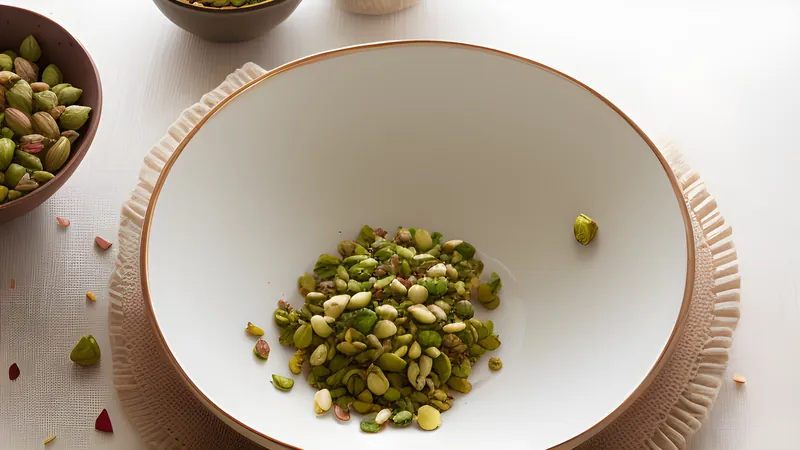
Saffron and Cardamom Rice Pudding (Firni)
Ingredients
- 80g basmati rice
- 1 litre whole milk
- 120g caster sugar
- Generous pinch of saffron threads
- 8 green cardamom pods, seeds crushed
- 2 tbsp ground almonds
- 1 tbsp rose water
- 2 tbsp chopped pistachios, to serve
- 1 tbsp slivered almonds, to serve
- Dried rose petals, to serve (optional)
Method
- Soak the basmati rice in cold water for 20 minutes, then drain and grind to a coarse paste with a splash of fresh water using a blender or pestle and mortar.
- Warm 2 tablespoons of the milk and steep the saffron threads in it for 10 minutes.
- Bring the remaining milk to a gentle simmer in a heavy pan, then whisk in the ground rice paste a little at a time to avoid lumps.
- Cook over a low heat, stirring constantly, for 20 to 25 minutes until thickened and creamy.
- Stir in the sugar, ground almonds, crushed cardamom seeds and the saffron milk, and cook for a further 5 minutes.
- Remove from the heat and stir in the rose water.
- Pour into individual bowls or ramekins and chill for at least 2 hours until set.
- Serve cold, scattered with chopped pistachios, slivered almonds and rose petals.
Firni is the pudding I reach for when I want something that feels celebratory but takes almost nothing from the storecupboard. It is a chilled, set rice pudding made not with whole grains but with ground rice, which gives it a remarkably smooth, almost silken texture quite unlike the looser, spooned rice puddings of a British nursery tea. Perfumed with saffron, cardamom and a whisper of rose, served cold in little bowls and scattered with pistachios, it is quietly luxurious. My small twist is a spoonful of ground almonds stirred in towards the end, which adds body and a faint nuttiness that rounds out the fragrant milk.
1 A pudding of feasts and festivals
Firni, also spelled phirni, is beloved across the Indian subcontinent, Pakistan, Afghanistan and Iran, where versions of it appear at weddings, at Eid, and at any gathering that calls for something special. The name and the technique travelled along the same routes as saffron and cardamom themselves, and the dish carries the unmistakable fragrance of Persian and Mughal kitchens, where ground rice puddings perfumed with rose and nuts were court favourites.
What sets firni apart from everyday kheer, the looser whole-grain rice pudding of the same regions, is its texture. Grinding the rice before cooking gives a dense, creamy set that firms as it chills, traditionally served in small earthenware bowls called shikora, which keep it cool and lend a subtle earthiness. It is a pudding designed to be made ahead and eaten cold, which is exactly why it suits a busy celebration: all the work happens earlier, leaving you free when guests arrive.
2 How it comes together
The key step is grinding the rice. Soak basmati briefly to soften it, then blitz it with a little water into a coarse, gritty paste, not a smooth purée; you want a slight texture, like fine semolina, so the pudding has body rather than turning to wallpaper paste. Steep your saffron in a little warmed milk while you work, which draws out both colour and flavour far better than crumbling the threads in dry.
Bring the milk to a gentle simmer and whisk in the ground rice gradually, which is the moment lumps form if you rush. From there it is mostly a matter of patience and stirring: keep the heat low and the spoon moving so the milk thickens evenly and nothing catches on the base of the pan. Once it is creamy, the sugar, ground almonds, cardamom and saffron milk go in, and a final stir of rose water off the heat keeps that delicate fragrance from cooking away.
Poured into bowls and chilled, firni sets to a soft, spoonable custard. The cold is part of the pleasure, the chill making the saffron and cardamom taste cleaner and more pronounced.
3 Tips, make-ahead and variations
Constant stirring is genuinely the difference between a glossy firni and a grainy, scorched one, so do not wander off. Use a heavy-based pan to spread the heat, and keep it low; rushing the thickening only invites the milk to catch and the texture to turn lumpy. If it does thicken too much, loosen it with a splash of warm milk before chilling.
Firni is made for getting ahead. It needs at least a couple of hours to set and is happy made the day before, kept covered in the fridge, where the flavours deepen overnight. Hold back the nuts and rose petals until just before serving so they stay crisp and bright against the soft pudding.
For variations, a little ground pistachio stirred into the milk gives a lovely pale green pudding and a deeper nuttiness, while kewra (pandanus) water can stand in for, or join, the rose water. For a richer pudding, replace some of the milk with single cream, or stir in a spoonful of reduced, thickened milk known as rabri. Setting the firni in small individual bowls rather than one large dish is both traditional and practical, giving everyone their own neat portion to top with nuts. Go gently with both the rose water and the saffron, because each is potent: too much rose and it tastes of perfume, too much saffron and it turns medicinal. A restrained hand lets the milk, the cardamom and the nuts share the stage as they should.
Related Content