Rye and Caraway Soda Bread
No yeast, no waiting, deep dark flavour
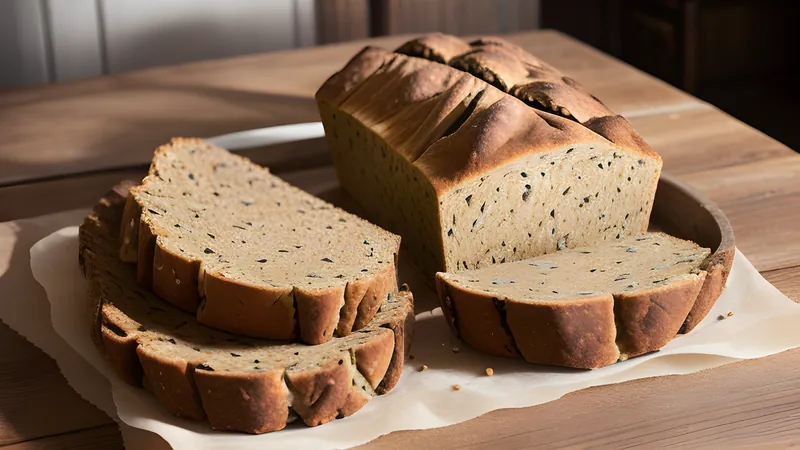
Rye and Caraway Soda Bread
Ingredients
- 250g wholemeal rye flour
- 200g plain flour, plus extra for dusting
- 1 tsp fine salt
- 1 tsp bicarbonate of soda
- 2 tsp caraway seeds, plus a few for the top
- 1 tbsp dark treacle or molasses
- 400ml buttermilk
- 1 tbsp porridge oats, for the top (optional)
Method
- Heat the oven to 200C and dust a baking tray with flour.
- In a large bowl, whisk together the rye flour, plain flour, salt, bicarbonate of soda and caraway seeds.
- Warm the treacle slightly so it loosens, then whisk it into the buttermilk until evenly combined.
- Pour the wet into the dry and stir quickly with a knife or your hand just until it comes together into a soft, slightly sticky dough. Do not knead or overwork it.
- Tip onto a floured surface and shape gently into a round about 18cm across, working fast and lightly.
- Lift onto the tray, cut a deep cross into the top with a floured knife, and scatter with oats and extra caraway.
- Bake for 40-45 minutes until dark, risen and hollow-sounding when tapped underneath.
- Cool on a wire rack, wrapped loosely in a clean tea towel for a softer crust, for at least 30 minutes before cutting.
There is a particular tyranny to yeast bread, lovely as it is: the proving, the timing, the way it ties you to the kitchen for half a day. Soda bread laughs at all of that. From the moment you decide you want it to the moment it is cooling on the rack is under an hour, with maybe ten minutes of actual work. No yeast, no kneading, no waiting for anything to rise on the counter. It is the bread you make when someone is coming round and you forgot, or when toast simply will not do, and it never lets me down.
This version takes the honest Irish classic and pushes it somewhere darker and more interesting. The twist is a double act: nutty, earthy rye flour in place of some of the usual wheat, and a good spoonful of caraway seeds running through it. That combination is borrowed shamelessly from Central European rye loaves, and it turns a plain soda bread into something with real depth — savoury, faintly aniseed, gorgeous with cheese or smoked fish. A little dark treacle deepens both the colour and the flavour, lending a whisper of bitter-sweetness underneath.
1 How soda bread rises without yeast
The whole thing hinges on a simple bit of kitchen chemistry. Instead of yeast slowly producing gas over hours, soda bread relies on an instant chemical reaction. Bicarbonate of soda is an alkali; buttermilk is acidic. The moment they meet in the bowl, they react and release carbon dioxide, which lifts the dough almost immediately.
This is why speed matters so much. That reaction starts the second the wet hits the dry and it does not wait around. You want to get the dough mixed, shaped and into a hot oven while it is still fizzing with gas, before all that lift escapes. Mix quickly, shape gently, and bake straight away. A soda bread that has sat on the counter while you tidied up will be flat and dense, all its rise wasted into the air.
If you have no buttermilk, do not let that stop you. Stir a tablespoon of lemon juice or vinegar into ordinary milk and leave it for ten minutes; it will curdle and turn acidic enough to do the job, and the bread will be none the wiser.
2 Working with rye
Rye is a different beast from wheat, and it is worth understanding why. It has very little of the gluten that gives wheat dough its stretch and structure, so a pure rye dough is dense, sticky and heavy. That is wonderful in a proper dark European rye loaf, but here we want something a little lighter, which is why this recipe pairs rye with plain wheat flour. The wheat gives just enough structure to keep the crumb from being a brick, while the rye brings all its deep, malty, slightly sour character.
Rye also drinks up liquid more thirstily than wheat, so the dough will feel softer and stickier than a plain white soda bread. That is exactly right. Flour your hands and your surface well, handle it lightly, and resist any urge to add more flour to firm it up — a slightly wet dough bakes into a moister, longer-keeping loaf.
3 Why you must not knead it
The deep cross slashed into the top is traditional and practical. Folklore says it lets the fairies out, or blesses the bread; more usefully, it opens the dense loaf up so the heat can reach the middle and the bread cooks through evenly, while giving it room to expand. Cut it deep and confident.
And the cardinal rule, the one I will repeat until you believe me: do not knead. Soda bread has no gluten network to develop and no need of one. Working the dough only makes it tough and rubbery. Bring it together with the lightest possible hand, just until there are no dry patches, shape it loosely, and let it be. The reward for restraint is a tender, crumbly, open texture.
4 How to eat it
Soda bread is at its absolute best on the day it is baked, ideally still faintly warm, cut thick and spread with cold salted butter that melts into it. The rye and caraway make it a natural partner for strong things: a wedge of mature cheddar, a slice of smoked salmon, a bowl of soup, or simply good butter and a little honey.
It does not keep as long as yeasted bread, but it does not need to — it rarely survives the day in my house. What is left over toasts beautifully the next morning, the caraway coming through even more strongly under the grill. For ten minutes of effort and no waiting at all, it remains, to me, one of the most generous things you can pull out of an oven.
Related Content