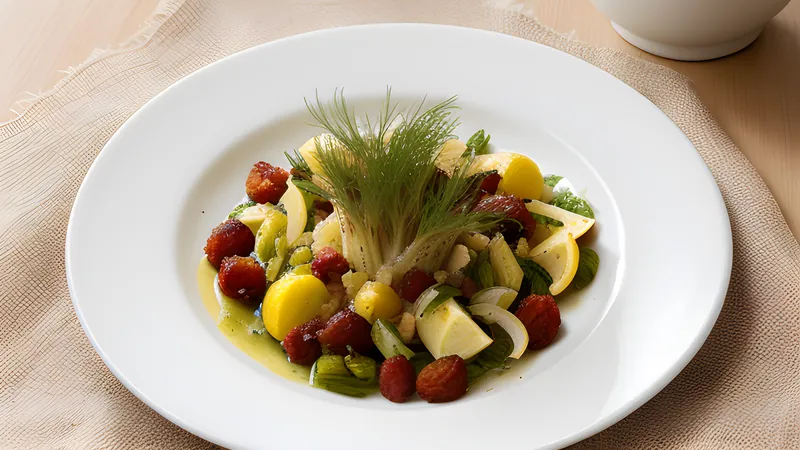
Roasted Fennel with Parmesan and Lemon
Bulbs turned sweet and jammy under a lemony crust
Contents
↓ Jump to recipeRaw fennel splits opinion at my table. My partner picks the slivers out of a salad and lines them up on the side of the plate like evidence. Then I roast a tray of it, and the same person eats half the dish standing at the counter before it reaches the table. Heat does something to fennel that nothing else manages: the aggressive aniseed edge softens into a low, sweet caramel hum, and the flesh goes silky where it was once squeaky and fibrous.
This is a side I make on repeat from late autumn through spring, when fennel bulbs are fat and cheap and the salad version feels too cold to bother with. It sits happily next to roast chicken, alongside a piece of baked white fish, or under a fried egg for a lazy lunch. The parmesan and lemon are traditional Italian partners. The bit that makes people ask what I did is the brown-butter crumb and a splash of vermouth on the tray.
Fennel has been food and medicine around the Mediterranean since antiquity; the Romans chewed the seeds after meals and the Florentines built a whole cured salami, finocchiona, around them. The bulb we roast is a comparatively modern selection, bred fat and sweet in Italy from around the seventeenth century, where cooks still treat it two ways: shaved raw and dressed in oil and lemon, or braised and gratinéed until meltingly soft. This recipe borrows from the second camp. When you shop, choose bulbs that feel heavy and squeak-firm with tightly packed layers, ideally with the fronds still attached, since floppy or hollow-sounding ones have sat too long and lost their sweetness.
Roasted Fennel with Parmesan and Lemon
Ingredients
- 3 large fennel bulbs (about 900g), fronds reserved
- 3 tbsp olive oil
- 60ml dry white vermouth (or dry white wine)
- 40g parmesan, finely grated
- 1 unwaxed lemon, zest and juice
- 40g unsalted butter
- 30g coarse fresh breadcrumbs
- 1 small garlic clove, grated
- 0.5 tsp fennel seeds, lightly crushed
- 0.75 tsp fine sea salt
- Black pepper, to taste
Method
- Heat the oven to 220C fan. Trim the fennel, halve each bulb through the root, then cut into 2cm-thick wedges, keeping the root intact so the layers hold together.
- Toss the wedges with the olive oil, salt and pepper on a large tray. Spread them cut-side down in a single layer and roast for 20 minutes until the undersides are deep gold.
- Pour the vermouth over the tray, turn the wedges, and roast a further 10 minutes until the liquid has almost gone and the fennel is tender to a knife tip.
- Melt the butter in a small pan over medium heat until it smells nutty and turns pale brown, about 3 minutes. Stir in the breadcrumbs, garlic and crushed fennel seeds; toast for 2 minutes until golden and crisp.
- Scatter the parmesan and lemon zest over the fennel. Return to the oven for 5 minutes until the cheese melts and browns at the edges.
- Squeeze over the lemon juice, spoon on the brown-butter crumbs, and finish with the chopped reserved fronds. Serve hot.
Why fennel wants a properly hot oven
Fennel is mostly water held in crisp, layered cells, and that water is the enemy of caramelisation. Roast it too gently and the bulbs steam in their own moisture, turning grey and floppy without ever taking on colour. The sugars never get the chance to brown because the surface temperature stubbornly refuses to climb past the boiling point of water.
The fix is a hot oven and a single uncrowded layer. At 220C fan the cut faces press against the tray, the surface water flashes off, and the natural sugars start to caramelise where flesh meets metal. That deep gold underside is the whole point of the dish. It carries the sweetness that makes roasted fennel taste nothing like its raw self.
Cutting matters as much as the heat. I halve each bulb through the root and cut wedges that keep a sliver of that root at the base, because the root is the glue that stops the layers falling into a heap of loose petals. Wedges roughly 2cm thick give you a good ratio of caramelised edge to tender middle. Cut them thinner and they collapse; cut them into chunky quarters and the outside scorches before the core softens.
The vermouth trick, and the brown-butter crumb
Halfway through roasting, once the undersides have coloured, I pour a slug of dry vermouth straight onto the hot tray. It hisses, lifts all the sticky caramelised fond off the metal, and the fennel drinks it back up as it reduces. Vermouth is already flavoured with aromatics from the same botanical family as fennel, so it deepens the aniseed note instead of muddying it. Dry white wine does a similar job if that is what you have open.
The brown-butter crumb is the finish that turns a decent side into one people remember. Butter cooked until the milk solids toast smells of hazelnuts and warm toffee, and it gives plain breadcrumbs a savoury depth that raw oil never will. Fold in a little grated garlic and some crushed fennel seeds, toast until crisp, and you have a topping that echoes the bulb underneath while adding the crunch roasted vegetables always crave. If you like this brown-butter move, I use the same nutty-butter idea to entirely different ends in my steel-cut oats with brown butter and maple-roasted pear.
Method, step by step
Trim the stalks and any bruised outer layer from three large bulbs, keeping the feathery fronds in a bowl of cold water. Halve each bulb through the root, then slice into 2cm wedges. Tip them onto your largest tray, toss with three tablespoons of olive oil, three-quarters of a teaspoon of fine salt and a good grind of pepper, then arrange cut-side down in one layer. Crowding is the mistake that ruins this, so use two trays if you must.
Roast at 220C fan for 20 minutes without touching them. Resist the urge to shuffle the tray; the fennel needs uninterrupted contact to colour. When the undersides are properly bronzed, pour over 60ml of vermouth, turn each wedge, and give it another 10 minutes until a knife tip slides in with no resistance and the liquid has cooked down to a glaze.
While that happens, make the crumb. Melt 40g of butter in a small pan over medium heat, swirling, until it foams and the solids turn the colour of weak tea and smell nutty. Add 30g of coarse fresh breadcrumbs, a small grated garlic clove and half a teaspoon of crushed fennel seeds. Stir for two minutes until golden and crisp, then tip onto a plate so they stop cooking.
Scatter 40g of finely grated parmesan and the zest of a lemon over the tender fennel and return it for five minutes, until the cheese has melted into a lacy crust and caught brown at the edges. Squeeze over the lemon juice while it is still hot, spoon on the crumbs, and shower with the chopped fronds. The frond is not a garnish for show; it tastes of concentrated fresh fennel and lifts the whole thing.
What goes wrong, and how to fix it
Pale, limp fennel almost always means a cool oven or an overloaded tray. If your oven runs weak, give the bulbs an extra ten minutes and check the underside colour rather than the clock. Fennel that browns on top while staying hard in the middle was cut too thick; next time keep the wedges to 2cm.
If the cheese burns before it melts, your oven is fiercer than mine or the tray sat too high; move it to the middle shelf for that final blast and watch it. And if the crumbs go soft, you added them too early. They should hit the plate at the last second, or they steam under their own topping and lose the crunch that earns them their place.
Make-ahead, storage and variations
You can roast the fennel up to the vermouth stage a few hours ahead and leave it on the tray, then finish with cheese and crumbs just before serving. The brown-butter crumbs keep in a jar for a couple of days and are worth making double, since they improve almost any roasted vegetable. Leftover roasted fennel is excellent cold the next day, chopped through a grain bowl or folded into a frittata.
For variations, a pinch of chilli flakes in the crumb wakes the whole dish up, and a few torn anchovies melted into the butter turn it properly savoury for a fish supper. Swap the parmesan for aged pecorino if you want more of a salty bite. And if you are after another vegetable side that leans on the same balance of sweet caramelisation and sharp citrus, my roasted carrots with honey, cumin and yoghurt plays a similar tune in a warmer, spicier key. Serve this fennel the moment the crumbs go on, while the parmesan crust is still molten and the fronds smell green.
Related Content