Roasted Carrots with Honey, Cumin and Yoghurt
Sweet, spiced and blistered, over a cool garlicky pool
Contents
↓ Jump to recipeThe first time I served these to a table of people who had politely said they were “fine with carrots but not excited by them”, the plate came back scraped clean and someone asked, slightly accusingly, what I had done to make ordinary carrots taste like that. The honest answer is three small decisions: I roasted them hard enough to caramelise, I toasted the cumin in brown butter instead of raw oil, and I sat the hot spiced carrots on a pool of cold garlic yoghurt so every forkful arrived warm and cool at the same time. None of it is difficult. All of it matters.
Roasted Carrots with Honey, Cumin and Yoghurt
Ingredients
- 700g carrots, scrubbed (peeled only if the skins are rough)
- 3 tbsp olive oil
- 1 tsp cumin seeds
- 40g butter
- 1 tbsp runny honey
- 1 tsp sea salt flakes
- 250g full-fat Greek yoghurt
- 1 small garlic clove, crushed to a paste with a pinch of salt
- Juice of half a lemon
- 2 tbsp coriander leaves, roughly chopped
- 1 tbsp pumpkin seeds or chopped pistachios, toasted
- Pinch of Aleppo pepper or mild chilli flakes, to finish
Method
- Preheat the oven to 200C fan (220C conventional). Halve the carrots lengthways, or quarter any thick ones, so all the pieces are roughly finger-thick and will cook at the same rate.
- Toss the carrots with the olive oil and half the salt on a large baking tray, spreading them cut-side down in a single layer with space between them. Roast for 25 minutes until the undersides are deeply caramelised.
- Meanwhile, stir the crushed garlic and lemon juice into the yoghurt with a pinch of salt, then keep it cold. Toast the cumin seeds in a dry pan for a minute until fragrant, tip onto a plate, then melt the butter in the same pan and let it foam and turn nut-brown, about 3 minutes.
- Return the toasted cumin to the brown butter with the honey and remaining salt, swirl to combine, then pour over the roasted carrots. Turn them cut-side up and roast for a further 8 to 10 minutes until glazed and sticky at the edges.
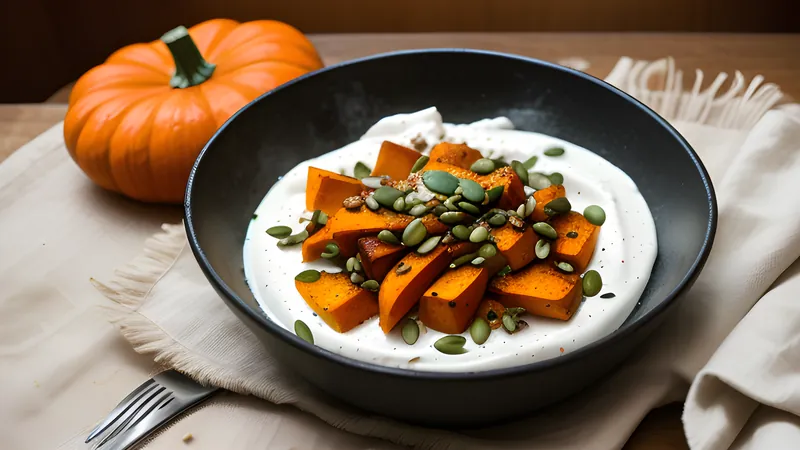
- Spread the cold garlic yoghurt over a wide plate, pile the hot carrots on top with all the buttery pan juices, then scatter with coriander, toasted seeds and a pinch of Aleppo pepper. Serve at once, while the temperature contrast is at its best.
Why carrots reward high heat
A carrot is roughly ten per cent sugar by weight when raw, and most of that sugar sits locked up until heat does two things to it. The first is caramelisation, where the sugars themselves brown and deepen once the surface passes about 160C. The second is the breakdown of the carrot’s own starches and pectin, which softens the interior and frees more sweetness. Boil a carrot and you leach both into the water and pour the best of it down the sink. Roast one on a hot, dry tray and you concentrate everything, driving off moisture and letting the cut faces blister against the metal.
That blistering is the whole game, and it depends on two things people routinely get wrong. The tray has to be genuinely hot and the carrots have to have room. Crowd them and they steam in their own moisture, going soft and pale rather than sticky and bronzed. Give each piece a little space, cut-side down against the metal, and the underside develops that lacquered, almost sweet-toffee edge that makes the dish. I halve everything lengthways so there is a flat face to press against the tray, and I quarter the fat ends so a slim tip and a thick shoulder do not finish forty minutes apart.
The brown butter cumin trick
Here is the small twist that lifts the dish above every honeyed carrot on a Sunday menu. Instead of tossing raw cumin and honey over the carrots at the start, where the cumin scorches and the honey burns bitter, I toast the cumin seeds dry, then bloom them in butter that I have taken all the way to nut-brown. Browning butter is nothing more than cooking it until the milk solids toast and turn the colour of dark honey, at which point it smells of hazelnuts and toffee and tastes far more complex than the raw fat it started as. Cumin bloomed in that butter picks up a rounder, warmer, almost smoky note that raw cumin never has.
The honey goes in off the heat, so it glazes rather than burns, and the whole lot gets poured over carrots that are already most of the way cooked. Ten more minutes fixes the glaze onto the caramelised surface and you get sticky, spiced, genuinely golden carrots with none of the acrid edge that early honey always brings. If you have ever wondered why restaurant roast vegetables taste of more than yours, brown butter and correctly timed sweetness is very often the reason.
The cold yoghurt underneath
Spooning hot spiced vegetables over cold, sharp, garlicky yoghurt is a trick the eastern Mediterranean has used for centuries, from Turkish çılbır to the yoghurt-pooled aubergine dishes of the Levant. The cold dairy does three jobs at once: it cools and calms the spice, its acidity cuts the honey so the dish never cloys, and the temperature contrast wakes the whole thing up. Warm food on warm food is comfortable and forgettable. Warm food on something cold and sharp is the reason you keep eating.
Use full-fat Greek yoghurt; the low-fat sort splits into a thin, grainy pool the moment anything hot touches it. Crush the garlic to a proper paste with salt so you never bite into a raw shard, and add the lemon just before serving so the yoghurt stays thick. I make the yoghurt while the carrots are in their first roast, then keep it in the fridge until the last second; the colder it is, the better the contrast.
Method, step by step
Get the oven properly hot, 200C fan, and put a large baking tray in to heat if you have time. Scrub the carrots rather than peeling them unless the skins are genuinely rough, since most of a carrot’s flavour and colour sits just under the skin. Halve them lengthways, quarter the thick ends, and toss with the olive oil and half the salt. Spread them cut-side down in a single uncrowded layer and roast for around 25 minutes, until the undersides are deeply browned and the edges are starting to curl.
While they roast, make the yoghurt: stir the garlic paste and lemon juice into the Greek yoghurt with a pinch of salt, taste, and keep it cold. Toast the cumin seeds in a dry frying pan over medium heat for about a minute, until they smell warm and nutty, then tip them out so they do not catch. Add the butter to the same pan and let it melt, foam, and then quieten as the foam subsides and the solids at the bottom turn golden-brown, roughly three minutes. Watch it closely at the end, as it goes from brown to burnt in seconds; the moment it smells of hazelnuts, pull it off the heat.
Return the cumin to the brown butter along with the honey and the rest of the salt, swirl it into a loose spiced glaze, then pour it over the roasted carrots. Turn them cut-side up so the glazed side faces the heat, and roast for another eight to ten minutes until sticky and lacquered. Spread the cold yoghurt across a wide serving plate, pile the hot carrots on top with every last drop of the buttery pan juices, and finish with coriander, toasted seeds and a pinch of Aleppo pepper.
What can go wrong
The most common failure is pale, floppy carrots, which almost always means a crowded tray or an oven that was not hot enough. If your carrots are steaming rather than browning after twenty minutes, split them across two trays and turn the heat up. The second failure is a broken yoghurt, which comes from low-fat yoghurt or from spreading it too thin under carrots that are still oven-blazing; a thick layer of full-fat yoghurt takes the heat happily. The third is burnt honey, which is why the honey goes into the butter off the heat and onto carrots that are nearly done, never at the start.
Make-ahead, storage and variations
You can roast the carrots and make the brown butter glaze a couple of hours ahead, then reheat the carrots hard for ten minutes and re-glaze just before serving; the yoghurt keeps happily in the fridge overnight, though the garlic grows stronger, so go gentle if you are making it early. Leftovers keep for three days and are excellent cold, chopped into a grain bowl.
For a heartier plate, this is beautiful alongside my puy lentil, feta and roasted carrot salad, which doubles down on the same sweet-earthy pairing, or next to whole roasted cauliflower with green tahini for a vegetable-forward spread that needs nothing else but bread. If you like the hot-on-cold idea, my roasted beetroot with horseradish crème fraîche works the same trick with a sharper, more northern accent. Swap the honey for date syrup and the cumin for a mix of cumin and coriander seed for a version that leans further towards the Levant, or add a spoon of harissa to the brown butter if you want real heat under the sweetness.
Related Content