Ponzu from Scratch
The bright citrus-soy seasoning of Japan, steeped cold with kombu, bonito and a dried shiitake for depth.
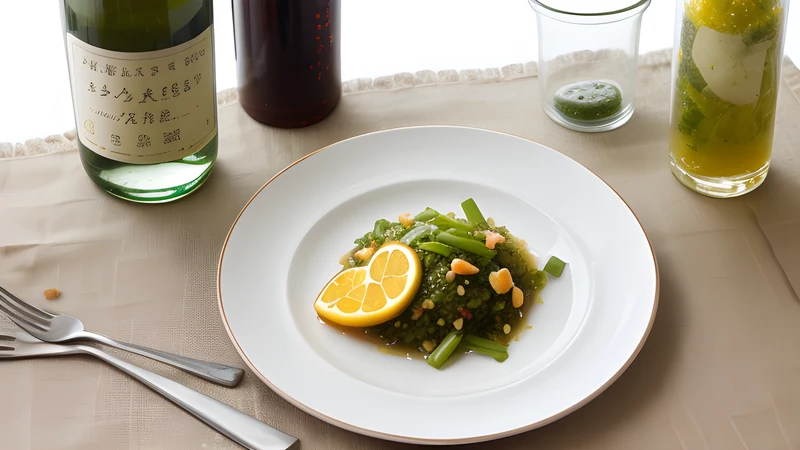
Contents
↓ Jump to recipePonzu is the seasoning that taught me umami and acidity are best friends. It is a Japanese sauce, thin and dark and sharp, that balances the salty depth of soy against the bright sourness of citrus, with a savoury backbone of kombu and bonito underneath holding the two extremes together. A little splash wakes up almost anything — a bowl of dumplings, a plate of grilled fish, blanched greens, cold tofu, a seared steak. The bottled stuff is fine in a pinch, but the version you steep yourself, cold and slow over a couple of days, tastes fresher and livelier by a mile. The quiet upgrade here is a single dried shiitake dropped into the steep, which adds an earthy, savoury depth beneath the citrus.
Ponzu from Scratch
Ingredients
- 120ml fresh citrus juice (yuzu if you can get it, or a mix of lemon, lime and orange)
- 120ml light soy sauce
- 60ml mirin
- 1 tbsp rice vinegar
- 1 piece kombu, about 8cm square
- 1 dried shiitake mushroom
- 5g bonito flakes (katsuobushi), a large handful
Method
- Gently wipe the kombu with a damp cloth to remove surface grit, but do not wash off the fine white powder on its surface — that is glutamate and pure savour.
- In a clean jar or bowl, combine the soy sauce, mirin and rice vinegar. Add the kombu, the whole dried shiitake and the bonito flakes.
- Squeeze and strain the fresh citrus juice to remove pips and pulp, then stir it into the jar. If using bottled yuzu juice, use 100ml as it is more concentrated.
- Cover and refrigerate for at least 24 hours, and ideally 2–3 days, to let the kombu, shiitake and bonito steep slowly in the cold liquid without cooking — this gentle infusion keeps the citrus bright and fresh.
- Strain the ponzu through a fine sieve lined with muslin or kitchen paper, pressing gently on the solids to extract the liquid. Discard the kombu, shiitake and bonito.
- Decant the strained ponzu into a clean bottle. Taste — it should be sharp, salty and deeply savoury all at once. It keeps in the fridge for up to a month and the flavour rounds out over the first week.
What the name means, and where it comes from
The word ponzu has a genuinely odd history. The “pon” comes from the Dutch pons, meaning a citrus punch — a legacy of the Dutch traders who were, for over two centuries during Japan’s period of isolation, the only Europeans permitted to trade, confined to the artificial island of Dejima in Nagasaki harbour. The word for their citrus drink drifted into Japanese, and over time the final “s” was reinterpreted through the character zu (酢), meaning vinegar, giving the modern ponzu: a citrus-vinegar seasoning. So the name carries a small fossil of Japan’s cautious early contact with the West, embedded in a bottle on the dinner table.
Strictly speaking, plain ponzu is just the citrus-and-vinegar base, while the dark, soy-added version most of us know and use is ponzu shōyu — though in everyday speech, and on most bottles, “ponzu” now means the soy version. The citrus at its heart is traditionally yuzu, a knobbly, intensely aromatic Japanese citrus whose fragrance is somewhere between grapefruit, mandarin and lime, with a floral edge that no single Western fruit quite matches. Yuzu is hard to find fresh outside Japan and staggeringly expensive when you do, which is why a blend of lemon, lime and a little orange is the standard and perfectly good substitute; the goal is a rounded citrus sharpness rather than one single note.
Ponzu is a workhorse of the Japanese table. It is the classic dip for shabu-shabu and other hotpots, where thin slices of meat and vegetables are swished through simmering broth and then dunked; it dresses tataki of seared beef or fish; it seasons cold tofu, grilled fish, gyoza and countless simple dishes where its job is to add brightness and savour in one stroke. Its balance of sour, salty and savoury makes it endlessly adaptable, and once you have a bottle of homemade in the fridge you start reaching for it constantly.
Why steep it cold, and what each thing is doing
The technique that matters here is cold infusion. Many recipes tell you to gently heat the soy, mirin and kombu, but I steep everything cold in the fridge over a couple of days, and there is a good reason. Heat drives off the delicate, volatile aromatics of the citrus, dulling exactly the fresh, lifted quality that makes homemade ponzu worth the effort. A long cold steep extracts the savoury glutamates from the kombu and bonito slowly and gently, while leaving the citrus fragrance intact. It asks for patience rather than skill: mix everything, wait two days, strain.
Each element is pulling in a specific direction, and knowing that helps you adjust. The soy brings salt and its own fermented depth. The mirin brings a gentle sweetness that rounds off the sharp edges of the citrus and vinegar so the sauce does not taste harsh. The kombu — dried kelp — is the primary source of glutamate, the compound behind savoury depth; that fine white bloom on its surface is where much of it sits, which is why you wipe the kombu rather than wash it. The bonito flakes (dried, smoked, fermented skipjack tuna, shaved into gossamer flakes) add a second, complementary form of savour and a whisper of smoke. Together kombu and bonito create the same synergy that makes dashi so deeply satisfying — two different savoury compounds that amplify each other far beyond what either does alone.
The dried shiitake is the twist, and it slots into that same savoury chemistry. Dried shiitake carry their own distinct umami compound, earthy and mushroomy, which stacks with the kombu and bonito to give the finished ponzu a rounder, deeper base under all that brightness. One mushroom is plenty; more would tip the sauce muddy and dominate the citrus. It is the sort of small addition you would never notice as “mushroom” in the final sauce — it simply reads as more depth.
The recipe
Makes about 300ml. Prep 15 minutes, then 1–3 days steeping.
Ingredients
- 120ml fresh citrus juice (yuzu, or lemon/lime/orange mix)
- 120ml light soy sauce
- 60ml mirin
- 1 tbsp rice vinegar
- 1 piece kombu, about 8cm square
- 1 dried shiitake mushroom
- 5g bonito flakes
Method
Wipe the kombu with a damp cloth, leaving the white bloom on. Combine the soy, mirin and vinegar in a jar, and add the kombu, whole shiitake and bonito. Strain the fresh citrus juice and stir it in. Cover and refrigerate for at least 24 hours, ideally two to three days. Strain through a muslin-lined sieve, pressing gently, and discard the solids. Bottle and keep in the fridge for up to a month.
Tips, substitutions and storage
Citrus is where you make this your own. Yuzu is the ideal if you can get it, even the bottled juice (use a little less, as it is concentrated). Failing that, a blend gives the best result: lemon for sharpness, lime for aromatic edge, and a splash of orange or mandarin for the sweet, floral roundness that mimics yuzu’s character. Avoid using only lemon, which makes the sauce one-dimensionally sour. Always strain the juice free of pips and pulp, which would cloud the sauce and turn bitter over time.
If you keep a vegetarian kitchen, leave out the bonito and double the kombu, and add a second dried shiitake; you lose the smoky-fishy note but gain a clean, deeply savoury vegan ponzu that is excellent with tofu and vegetables. For the soy, use a good light (usukuchi) or all-purpose Japanese soy; avoid dark soy, which is too thick and molasses-heavy for the delicate balance you are after.
Homemade ponzu keeps for up to a month in a sealed bottle in the fridge, and genuinely improves over the first week as the flavours marry and the sharp citrus edge softens into something rounder. Give it a gentle shake before using. It is best kept cold; do not leave it out on the counter, as the fresh citrus base is more perishable than a fully cooked, bottled commercial sauce.
How to use it
Ponzu is happiest as a dipping sauce and a finishing splash. Use it as the dip for pork and chive potstickers or any gyoza, where its sharp savour cuts the richness of the pork. Spoon it over cold silken tofu with a scatter of spring onion, dress a plate of blanched greens or seared tuna, or splash it over a bowl of hot edamame with chilli and sea salt for a snack with real depth. Whisked with a little sesame oil it becomes a quick dressing for a crunchy salad, and a spoonful stirred into a dashi broth sharpens the whole bowl. Once it is in your fridge, you will find a use for it most days.
Related Content