Pollo alla Cacciatora with Olives and Rosemary
The Italian hunter's chicken, sharpened with an anchovy nobody will spot
Contents
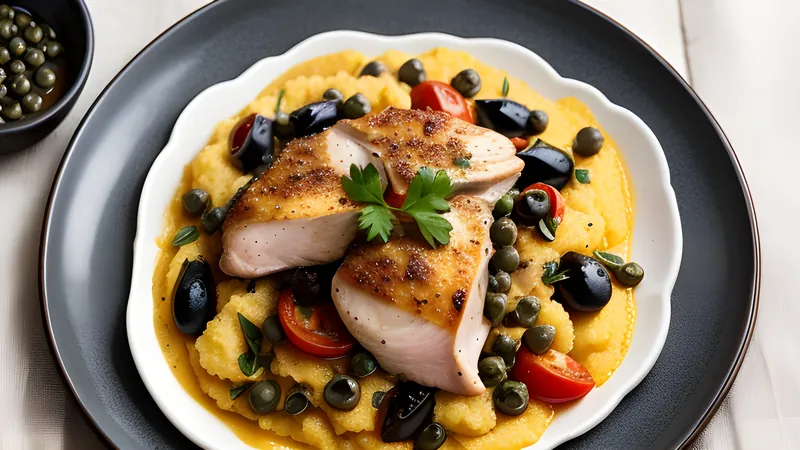
↓ Jump to recipeEvery European farming culture seems to have its hunter’s chicken, and Italy’s is pollo alla cacciatora. The name is the same idea as the French chasseur — cacciatore, the hunter — and the logic is identical: a bird braised in tomato, wine and whatever the countryside offers. But the Italian version has its own accent, all olive oil and rosemary and briny olives, and it takes to one quiet addition that most recipes leave out and that you will never see on the plate.
Pollo alla Cacciatora with Olives and Rosemary
Ingredients
- 8 bone-in, skin-on chicken thighs (about 1.2kg)
- 1 onion, finely chopped
- 4 garlic cloves, sliced
- 3 anchovy fillets in oil
- 150g pitted black olives (Taggiasca or Kalamata)
- 2 sprigs rosemary, leaves chopped
- 1 tbsp capers, rinsed
- 150ml dry white wine
- 400g tin whole plum tomatoes, hand-crushed
- 200ml chicken stock
- 2 bay leaves
- 1/2 tsp dried chilli flakes
- 3 tbsp extra-virgin olive oil
- Salt and black pepper
- Chopped flat-leaf parsley, to finish
Method
- Pat the chicken thighs dry and season with salt and pepper. Heat 2 tbsp of the olive oil in a wide casserole over medium-high heat and brown the thighs skin-side down for 6 minutes until deep golden, then turn for 2 minutes. Remove and set aside.
- Pour off most of the fat, add the remaining oil, and lower the heat to medium. Cook the onion for 8 minutes until soft and translucent, then add the garlic, rosemary and chilli flakes for 1 minute.
- Add the anchovy fillets and stir until they dissolve into the oil, about 1 minute. Pour in the white wine, scrape the base, and reduce by half.
- Add the crushed tomatoes, stock, bay leaves, olives and capers. Return the chicken skin-side up, bring to a simmer, then cook uncovered over low heat for 40 minutes until the chicken is tender and the sauce has reduced and thickened.
- Taste for salt (the anchovy, olives and capers are salty). Rest for 5 minutes, scatter with parsley, and serve.
A dish with regional roots
Cacciatora is really a whole family of recipes, and where you are in Italy decides what goes in the pot. In the north — Tuscany, Umbria, Emilia — cooks lean on red wine and a soffritto of onion, carrot and celery, sometimes with no tomato at all in the oldest versions, since tomatoes only reached Italian kitchens in quantity after the sixteenth century. Head south and the dish turns redder and brighter, built on ripe tomato, white wine, olives and chilli. The story that a hunter’s wife would cook the day’s catch with the garden’s tomatoes and the cellar’s wine is romantic and probably half true; more reliably, it was cucina povera, peasant cooking that stretched a tough old bird into a meal with cheap, sunny store-cupboard ingredients.
You can still taste that thrift in the finished dish. Nothing in it is expensive, and the sauce works precisely because each humble ingredient pulls its weight — the olives bring brine, the rosemary brings the pine-and-resin scent of the hills, the chilli brings a low background heat. The version I make is southern in spirit: white wine, plum tomatoes crushed by hand, black olives, capers and a good hit of rosemary. It sits in the same tradition of Italian braises as pappardelle with beef-shin ragù and shares its hunter’s-chicken DNA with the French chicken chasseur with mushroom and tarragon, though the two taste worlds apart once the olives and rosemary come through.
The secret anchovy
Here is the twist, and it is an old Italian trick rather than my invention: three anchovy fillets melted into the oil before the wine goes in. People flinch at the word anchovy, imagining a fishy plate. What actually happens is that the fillets dissolve entirely, leaving no fishiness at all, only a deep, savoury, mouth-filling background — pure umami. Anchovies are packed with glutamates, the same compounds that make parmesan and slow-cooked tomato taste so satisfying, and a couple of them stirred into a braise do the work of a long-simmered stock. Cook them for a minute in the warm oil, mashing with your spoon, and they vanish. Anyone who tastes the finished sauce will know it is good and have no idea why. The same trick underpins a proper puttanesca and many a Roman lamb dish, so once you trust it you will find uses for it all over your cooking.
Browning, and why bone-in matters
As with any braise, the flavour starts with the sear. Dry the chicken skin thoroughly, season it, and lay the thighs into hot oil without crowding the pan; leave them undisturbed for a full six minutes so the skin turns deep gold and releases cleanly. That fond — the sticky brown residue left in the pan — is dissolved later by the wine and becomes the base note of the whole dish. Skip or rush this step and the sauce tastes flat no matter how long you simmer it.
Use bone-in, skin-on thighs. Boneless breast dries out and misses the collagen that gives the sauce its body, whereas thighs stay succulent through forty minutes of simmering and only get better. If you would rather use a whole jointed chicken, add the breast pieces halfway through so they do not overcook.
Building the sauce
After the chicken comes out, the onion cooks slowly in the flavoured oil until soft and sweet — this soffritto is the foundation, so do not rush it to a scorch. Garlic, rosemary and chilli follow for just a minute, long enough to bloom their oils without burning the garlic bitter. Then the anchovies melt in.
The wine goes in next and reduces by half, cooking off the raw alcohol and lifting the fond. I crush the plum tomatoes by hand rather than using a tin of ready-chopped, because whole plum tomatoes are picked riper and taste sweeter, and hand-crushing gives a better, more rustic texture than the machine-diced sort. Olives and capers join the pot with the tomatoes and stock, so their brine has time to spread through the sauce.
Braise uncovered so the liquid reduces and concentrates. Forty minutes at a low simmer gives tender chicken and a thick, glossy sauce. Be cautious with salt at the end: between the anchovies, the olives and the capers, the dish is already well seasoned, so taste before you reach for the salt cellar.
Tips and troubleshooting
- Sauce too thin? You covered the pot or simmered too fast. Remove the chicken and boil the sauce down for a few minutes.
- Sauce too sharp or tinny? Cheap tomatoes taste acidic; a pinch of sugar corrects it, and a longer, gentler cook mellows the raw tomato edge.
- Olives too salty? Give pitted olives a quick rinse, and always rinse capers, which are usually packed in heavy brine.
- Worried about anchovy? Start with two fillets your first time. Once you taste what they do, you will use three.
- Garlic turned bitter? It caught and burned. Keep the heat moderate when the garlic goes in and move straight on to the wine.
Make-ahead, storage and serving
Cacciatora is a braise, so it is happiest made ahead. A day in the fridge lets the olive, rosemary and tomato settle into one another, and it reheats gently on the hob with a splash of stock if it has thickened too far. It keeps for three days chilled and freezes for up to three months.
Serve it Italian-style with soft polenta, which drinks up the sauce, or with plenty of crusty bread to mop the plate. Plain boiled potatoes or a bowl of pasta work too, and a green salad dressed sharply cuts the richness. Pour a Sangiovese or another medium-bodied Italian red. For a vegetable alongside, buttered leeks with thyme and breadcrumbs keep the plate balanced.
Variations
For a northern, wintrier cacciatora, swap the white wine for red and add a handful of dried porcini soaked in warm water, tipping in their strained soaking liquid for extra depth. Some cooks finish the southern version with a splash of red wine vinegar for lift, or a scatter of torn basil in place of parsley. And if you want a one-pot supper, add halved new potatoes and chunks of red pepper to the braise for the last twenty-five minutes so they cook in the sauce.
A final word on the olives: seek out small, sweet Ligurian Taggiasca if you can find them, since they hold their shape and carry a mellow, almost buttery flavour that stands up to the tomato without turning the sauce bitter. Big fleshy Kalamata work well too. Avoid the pre-sliced black olives sold in tins for pizza — they are cured in a way that leaves them flat and rubbery, and they will let the whole pot down.
It is honest, sunny cooking that tastes far more complicated than its short list of ingredients suggests. Brown the chicken properly, melt in those anchovies, and let the pot do the rest.
Related Content