Pistachio and Rose Water Cake with Mascarpone Frosting
A perfumed, green-flecked crumb under a cloud of mascarpone
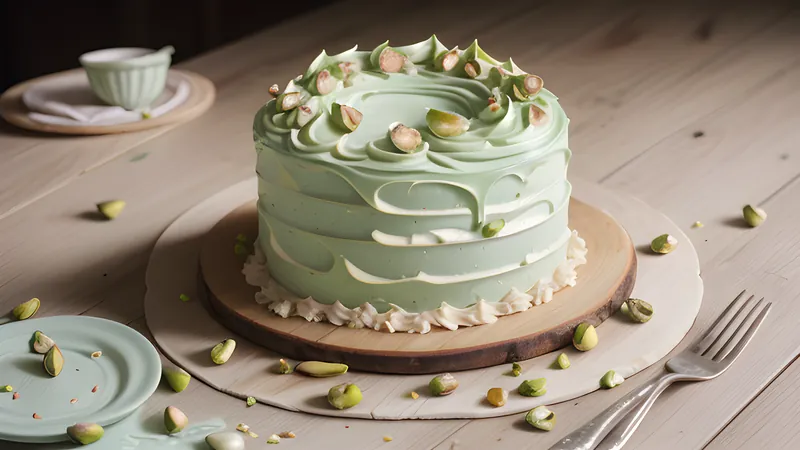
Pistachio and Rose Water Cake with Mascarpone Frosting
Ingredients
- 200g (1¾ cups) shelled unsalted pistachios
- 180g (¾ cup) unsalted butter, softened
- 200g (1 cup) caster sugar
- 3 large eggs, room temperature
- 120g (1 cup minus 1 tbsp) plain flour
- 1 tsp baking powder
- ½ tsp fine sea salt
- 100g (⅖ cup) Greek yoghurt
- 2 tsp rose water
- Zest of 1 lemon
- 250g (1 cup) mascarpone, cold
- 150ml (⅔ cup) double cream, cold
- 40g (⅓ cup) icing sugar, sifted
- 1 tsp rose water, for the frosting
- A handful of dried rose petals and chopped pistachios, to finish
Method
- Heat the oven to 180C/160C fan/350F. Grease and line a 20cm round tin.
- Blitz the pistachios to a fine meal, reserving a tablespoon of coarser crumbs for the top.
- Cream butter and caster sugar until pale, then beat in the eggs one at a time.
- Fold in the ground pistachios, flour, baking powder and salt, then the yoghurt, rose water and lemon zest.
- Scrape into the tin and bake 32-35 minutes until a skewer comes out clean. Cool completely.
- Whip mascarpone, cream, icing sugar and rose water to soft, spreadable peaks.
- Swirl the frosting over the cooled cake and scatter with rose petals and pistachios.
There is a particular kind of cake that smells like a perfume counter and tastes, somehow, of a garden in late spring. This is that cake. It is built on ground pistachios rather than a pile of plain flour, which gives it a dense, almost marzipan-soft crumb and a green that no food colouring could fake. The rose water is the obvious flourish, but the quiet hero is restraint: rose, used badly, turns a pudding into pot pourri. Used well, it just makes everything taste a little more like itself.
1 Where this cake comes from
Pistachios and rose belong together across a huge sweep of the world — Persian love cakes, Turkish lokum, the syrup-soaked pastries of the Levant. The pairing is so old and so widespread that no single country can really claim it. What I have done here is drag it gently towards the European butter cake: a creamed sponge, a frosting you can spread with a knife, nothing that needs boiling sugar or a candy thermometer. It is a teatime cake wearing a slightly exotic frock.
The clever twist, if there is one, is grinding the pistachios yourself rather than buying ready-ground. Pre-ground pistachio meal is convenient but it oxidises, dulls and loses its oils on the shelf. Whole nuts blitzed five minutes before they go in the bowl smell green and sweet and faintly resinous, and that freshness carries all the way through baking. Reserve a coarser tablespoon of the grind, too — those slightly bigger pieces give the finished cake little pops of texture against the soft mascarpone.
2 Getting the crumb right
The method is a standard creamed sponge with two non-negotiables. First, properly soften your butter — not melted, but soft enough that your finger sinks in without effort. Cold butter will never aerate, and air is most of what makes this cake tender rather than fudgy. Second, do not overwork the batter once the flour goes in. Pistachios have very little gluten of their own, so the small amount of plain flour is your structure; beat it hard and you trade softness for chew.
The Greek yoghurt is there for moisture and a whisper of tang to cut the richness. It also helps the cake keep — this is a sponge that is genuinely better on day two, when the rose has had time to settle and stop announcing itself. If you can bake it the day before serving, do.
3 On rose water, and how not to ruin it
Brands vary wildly in strength. The cheap supermarket kind is often mostly water; a good Lebanese or Iranian rose water can be three times as potent. So treat my two teaspoons as a starting point and trust your nose. Add it, smell the batter, and stop the moment it reads as “floral” rather than “soap”. You can always whisk a little more into the frosting at the end, but you cannot take it out. If you are nervous, start with one teaspoon and build up.
A note on salt: half a teaspoon sounds like a lot in a sweet cake, but pistachios and rose both go flat and one-dimensional without it. The salt is what makes the whole thing taste vivid instead of merely sweet.
4 The mascarpone frosting
I have no patience for buttercream that sits on the tongue like candle wax, so this cake gets a mascarpone and cream frosting instead — lighter, tangier, set in five minutes. The only trap is overwhipping. Mascarpone is already thick, so the moment the cream catches up, you are seconds from a grainy, split mess. Whip on medium, stop when it holds a soft peak that just flops over, and finish the last few turns by hand with a spatula. Keep everything cold and you will be fine.
Spread it thickly and rough — this is not a cake for sharp edges and fondant. A generous swirl, a scatter of dried rose petals and a few chopped pistachios, and it looks like something from a window display while having cost you almost nothing in skill.
5 Make it your own
Swap the rose water for orange blossom and the cake leans North African and sunnier. Brush the warm sponge with a thin lemon-and-rose syrup before frosting if you want it wetter and more celebratory. For a gluten-free version, replace the plain flour with the same weight of fine ground almonds plus a teaspoon of cornflour — the crumb gets even more luxuriously dense.
Serve it in thin slices with strong tea or, better, a tiny cup of bitter coffee. The bitterness is the whole point: it throws the perfume and the sweetness into sharp, lovely relief, and turns a pretty cake into one you actually keep going back to.
Related Content