Pistachio and Cranberry Biscotti
Twice-baked, jewelled and built for dunking
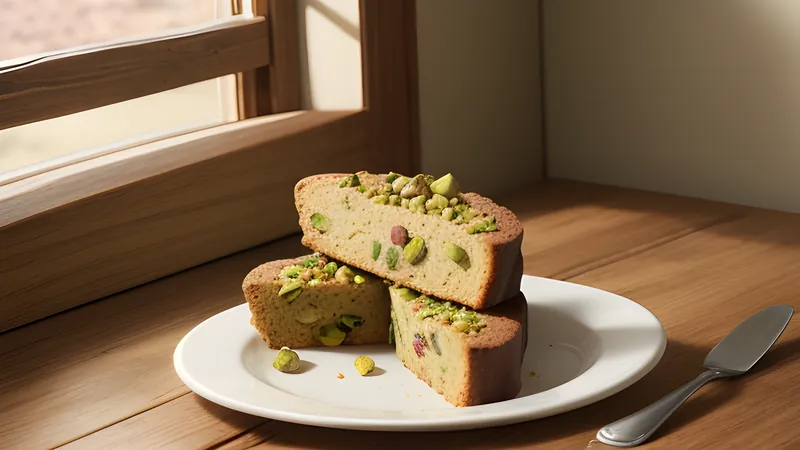
Pistachio and Cranberry Biscotti
Ingredients
- 250g plain flour
- 150g caster sugar
- 1 tsp baking powder
- 1/2 tsp fine sea salt
- Finely grated zest of 1 orange
- 2 large eggs
- 1 tsp vanilla extract
- 1/2 tsp almond extract
- 120g shelled unsalted pistachios
- 100g dried cranberries
- 1 egg, beaten, for glazing
Method
- Preheat the oven to 160C fan and line a large baking tray with parchment.
- Whisk the flour, sugar, baking powder, salt and orange zest together in a large bowl.
- Beat the eggs with the vanilla and almond extracts, then stir into the dry mix to form a stiff, sticky dough.
- Work in the pistachios and cranberries until evenly distributed.
- With damp hands, shape the dough on the tray into two logs about 25cm long and 6cm wide, then brush with beaten egg.
- Bake for 30 to 35 minutes until risen, pale gold and firm to a gentle press. Cool for 15 minutes.
- Transfer the logs to a board and cut on the diagonal into 1.5cm slices with a serrated knife.
- Lay the slices cut-side down on the tray and bake for 10 minutes, then turn each one and bake a further 8 to 10 minutes until dry and crisp.
- Cool completely on a wire rack, where they will harden to the classic snap.
Biscotti are the most low-maintenance bake I know that still looks like you tried. There is no creaming, no chilling, no piping, no fretting over spread; you mix a stiff dough, shape it into logs, bake it twice, and end up with a tin of crisp, jewelled biscuits that keep for weeks. This version is studded with green pistachios and ruby cranberries, scented with orange and a whisper of almond, so the cross-section looks like stained glass. They are made for dunking, in coffee, in tea, or in the sweet wine they were born to swim in, and they are exactly the kind of thing you want around at Christmas when people drop by unannounced.
1 What biscotti actually means
The word biscotti comes from the Latin for twice-cooked, and that double bake is the whole technique. The dough is first baked as a log until set, then sliced and baked again so the cut faces dry out completely, driving off the moisture that would otherwise make them soft. The result is the famous hardness and that long shelf life; properly made biscotti were originally provisions for travellers and soldiers precisely because they kept almost indefinitely. The most famous are the cantucci of Prato in Tuscany, packed with whole almonds and served at the end of a meal with a glass of vin santo, the sweet dessert wine, for dipping.
That dunking is not just tradition, it is design. Classic biscotti contain little or no butter and no liquid beyond eggs, which is what makes them so hard and so dry. They soften and bloom when dipped, releasing their flavour, which is exactly the point. If you find shop-bought biscotti tooth-cracking, you have probably been eating them wrong; they want a hot drink.
2 The clever twist: orange and almond extract
My small departure from tradition is aromatic rather than structural. A generous grating of orange zest runs through the dough, and its oils perfume the whole biscuit with brightness that lifts the richness of the pistachios. Alongside it, half a teaspoon of almond extract deepens the nuttiness and nods to the cantucci heritage without my having to chop a single almond. The two together, orange and almond, are a classic Italian pairing for good reason; the citrus keeps the almond from turning soapy and the almond gives the orange somewhere warm to land. It is a tiny change but it is the difference between a pleasant biscuit and one people remember.
Use the zest of a proper unwaxed orange and grate it finely so you take only the fragrant coloured layer, not the bitter white pith beneath. Rub the zest into the sugar with your fingertips before mixing if you want to coax out even more of its oils.
3 Pistachios and cranberries, for looks and balance
The pistachios bring colour, a soft buttery crunch and a faintly resinous flavour that is unmistakably theirs; the cranberries bring chewy, tart pockets that cut through the sweetness. Beyond taste, this pairing is doing visual work. When you slice the cooled logs on the diagonal, the green nuts and red berries show up against the pale crumb like terrazzo, and that festive cross-section is half the appeal. Buy shelled unsalted pistachios and leave them whole or only roughly halved so they read clearly in the slice. For the cranberries, the sweetened dried sort is what you want; fresh or frozen ones carry too much water and would soften the dough.
4 Shaping and slicing without tears
Two moments matter. First, the dough is sticky, so shape the logs with damp hands or a lightly oiled spatula, and keep them a little flatter and wider than feels right because they spread and rise as they bake. Second, the slicing. Let the logs cool for a full fifteen minutes after the first bake, until they are warm rather than hot; cut them too soon and they crumble, too cold and they shatter. A serrated bread knife and a firm, confident sawing motion give clean slices. Cut on a sharp diagonal for longer, more elegant biscotti and a bigger jewelled face.
5 Keeping and serving
Once fully cooled and crisp, biscotti store beautifully in an airtight tin for two to three weeks, which makes them an ideal edible gift, bagged up with ribbon. If they ever soften in a humid kitchen, a few minutes in a low oven crisps them straight back up. Serve them as the Italians do, with strong coffee or a small glass of sweet wine, or dip one end in melted dark chocolate and let it set for a more indulgent finish. However you serve them, the ritual is the same: dunk, wait a beat, eat. That is the whole pleasure of a biscotto.
Related Content