Persian Saffron Tahdig with a Crackling Crust
A yoghurt-saffron base, parboiled rice steamed under a cloth, and the confident flip
Contents
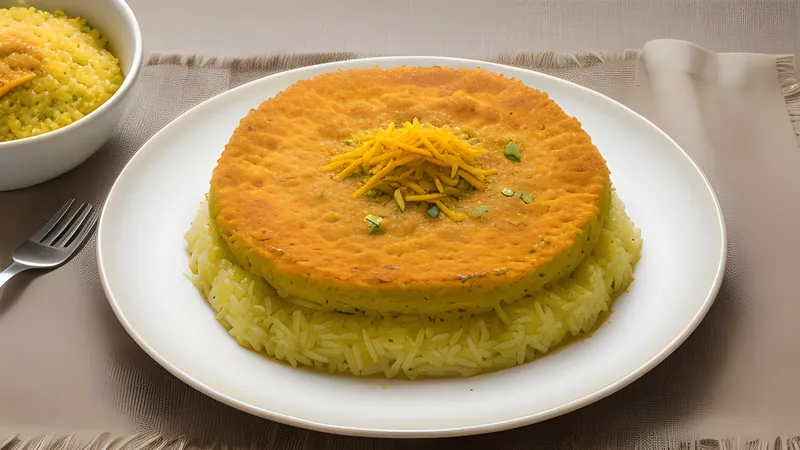
↓ Jump to recipeThe best part of a Persian rice dish is the bit stuck to the bottom of the pan. Tahdig, literally “bottom of the pot”, is the sheet of deep-golden, saffron-stained crust that forms under a mound of steamed basmati, and at a Persian table it is fought over openly. Get it right and you flip the pan to reveal a crackling amber disc that shatters under a spoon while the rice above stays in separate, perfumed grains. This version uses a yoghurt-saffron base for the crispest, most structural crust, and it walks you through the two techniques that make or break it: the parboil, and the steam.
Persian Saffron Tahdig with a Crackling Crust
Ingredients
- 400g basmati rice (about 2 mugs)
- 2 tbsp fine salt, for the parboiling water
- 1 large pinch saffron threads (about 1/2 tsp)
- 2 tbsp just-boiled water, for blooming the saffron
- 3 tbsp plain full-fat yoghurt
- 1 egg yolk (optional, for extra crust strength)
- 4 tbsp neutral oil (or 2 tbsp oil plus 30g melted butter)
- 2 tbsp water, for steaming
Method
- Rinse the basmati in several changes of cold water until the water runs clear, then soak in salted cold water for 30 minutes if you have time. Drain.
- Bring a large pan of water to a rolling boil with 2 tbsp salt. Add the rice and boil hard for 6-8 minutes until the grains are soft on the outside but still firm in the centre. Drain and rinse briefly with warm water.
- Grind the saffron to a powder, then steep in 2 tbsp just-boiled water for 10 minutes.
- Mix 3 tbsp of the parboiled rice with the yoghurt, egg yolk if using, and half the saffron water.
- Heat the oil in a heavy non-stick pan over medium heat. Spread the yoghurt-saffron rice evenly across the base to make a firm layer.
- Pile the rest of the rice on top in a loose mound, leaving it fluffy. Poke 4-5 holes down to the base with the handle of a spoon to let steam escape.
- Drizzle over the remaining saffron water and 2 tbsp water. Wrap the lid in a clean tea towel, clamp it on, and cook on medium-high for 8 minutes to build the crust.
- Turn the heat to low and steam for 30-35 minutes until fragrant and the base is crisp.
- Rest off the heat for 5 minutes, run a knife around the edge, then invert onto a plate in one confident movement so the golden crust sits on top.
Why Persian rice is cooked twice
Most rice cookery is a single act: measure the water, cover, simmer, done. Persian chelow is deliberately cooked in two stages, and the two stages do different jobs.
First the rice is parboiled in a large volume of heavily salted water, the way you would cook pasta. This does two things. It seasons the grains all the way through, and it lets the outer starch wash and boil away so the grains cannot glue themselves together. Basmati is the rice of choice because it is long, aromatic and low in the sticky amylopectin starch that makes short-grain rice clump. Rinsing it first, until the cloudy water runs clear, strips loose surface starch; a soak relaxes the grains so they cook evenly and lengthen rather than snap.
Then comes the steam, called dam. The drained, still-firm rice is piled loosely back into a pan over a fat layer and cooked gently under a sealed, cloth-wrapped lid. With very little liquid and a lot of trapped steam, each grain finishes cooking in its own moisture and dries slightly at the surface, which keeps the grains separate and fluffy. Meanwhile the layer touching the hot pan fries and crisps into tahdig. Skip the parboil and the grains cook unevenly and stick; skip the proper steam and you get a soggy base and no crust. You need both.
The cloth is not a garnish. A tea towel wrapped around the lid absorbs the condensation that would otherwise drip back onto the rice and make it claggy. Persians call the wrapped-lid setup damkoni, and it is the single cheapest upgrade to your rice you will ever make.
Saffron, and why the yoghurt base
Saffron is the defining flavour and colour of Persian rice, and a little goes a long way. Grind the threads to a powder first, using a pinch of sugar or salt to help if they are stubborn, then steep in just-boiled water for ten minutes. Grinding and steeping extract far more colour and aroma than throwing whole threads into the pot, where they mostly sink and stain one spot. You are after a liquid the colour of a marigold.
The yoghurt base is the crisping trick. Mixing a few spoons of the parboiled rice with yoghurt, saffron and, if you like, an egg yolk creates a batter-like layer that presses flat against the pan and fries into a solid, even sheet. The proteins in the yoghurt and yolk brown and set, so the crust holds together in one piece when you flip it, with a colour that leans towards burnished gold. A plain-rice tahdig is lovely and lighter; the yoghurt version is sturdier and more reliable, which is why I reach for it when I actually want the flip to work.
Use full-fat yoghurt for the fat and the browning. Low-fat versions weep and are more likely to catch and burn before they set.
Rice, salt and soaking
Buy the best basmati you can and, if possible, an aged one; rice matured for a year or two cooks drier and longer, which is exactly what you want for grains that stay separate. Aromatic long-grain basmati is non-negotiable here, because its low sticky-starch content is what lets tahdig work at all.
The rinsing is not optional. Wash the rice in several changes of cold water, swirling with your fingers, until the water runs from milky to nearly clear. Each rinse carries away loose surface starch that would otherwise turn the grains gummy. The half-hour soak that follows lets water creep into the grain so it cooks evenly and stretches to its full length rather than snapping in the boil.
Salt the parboiling water hard, like pasta water; two tablespoons in a large pan sounds alarming, but most of it drains away and what stays behind seasons the rice from the inside, which no amount of salt sprinkled on at the end can replicate. Taste the boiling water: it should taste pleasantly of the sea.
Building the pot
Heat the oil in a heavy non-stick pan over medium heat. Non-stick is a genuine friend here; a well-seasoned pan can work, but non-stick removes most of the anxiety about the flip. A wide, shallow pan gives you more crust; a narrow, deep one gives you less. Choose your pan by how much tahdig you want to hand out.
Spread the yoghurt-saffron rice across the base in an even layer and press it flat. Then pile the rest of the parboiled rice on top in a loose, tall mound rather than packing it down, so steam can move through it. Shaping it into a gentle cone helps the steam circulate. Poke four or five holes right down to the base with the handle of a wooden spoon; these vents let steam escape and stop the middle going soggy.
Drizzle the remaining saffron water over the mound for colour and a little more water for steam. Wrap the lid tightly in a clean tea towel, folding the corners up over the top so they stay clear of the flame, and clamp it on.
The two-phase cook
Start on medium-high for about eight minutes. This builds the crust: you want to hear a gentle sizzle and, towards the end, catch the smell of toasting rice. This is the stage that sets the colour of your tahdig, so trust your nose more than the clock.
Then drop the heat to low and steam for 30 to 35 minutes. Now the upper grains finish cooking through in their own steam while the base crisps slowly without scorching. Resist lifting the lid; every peek lets steam out and slows everything down. If your hob runs hot or your pan is thin, a heat-diffuser mat under the pan evens things out and prevents a burnt centre.
You will know it is done when the whole kitchen smells of saffron and toasted rice and a knife slid down the edge meets a firm, crisp base.
The confident flip
Rest the pan off the heat for five minutes. Some cooks stand the hot base in a sink of cold water for a minute to help the crust release, which is worth trying if you are nervous. Run a knife or thin spatula around the very edge to loosen the crust.
Now the flip. Set a large serving plate face-down over the pan, hold both together firmly, and invert in one decisive movement. Hesitation is what breaks tahdig; commit to it. Lift the pan away and the golden crust should sit proudly on top like the lid of a pie. If a patch sticks, lever it off and lay it back in place; nobody will know once it is on the table.
If it comes out pale, your initial heat was too low or too brief. If it comes out dark and bitter, the base cooked too hot or too long. Both are fixable next time by adjusting that first phase, which is why I said to trust the smell.
Serving, storage and variations
Tahdig is a side, and it wants something saucy to sit beside. It is the traditional partner to a Persian khoresh (stew), and it does the same job for any brothy, spiced dish you would otherwise mop with bread. I serve it happily next to a bowl of dal tadka, where the crisp rice catches the ghee-slicked lentils, and it holds its own against anything you would usually scoop up with garlic butter naan.
For variation, the base layer is where Persian cooks show personality. Thin discs of potato laid in the oil before the rice make a tahdig of crisp potato crowns. A sheet of lavash or flatbread pressed into the fat gives a shattering bread crust. Both use the same steamed rice above.
If gummy, sticky rice is your recurring problem, work back through the chain: rinse more thoroughly, do not skip the soak, use a bigger pot of water for the parboil so the grains move freely, and drain them the moment they are soft on the outside but still firm at the core. Overboiled rice is doomed before it ever reaches the steaming pan, because grains that are already fully cooked cannot dry out and separate under the dam.
Leftover tahdig loses its crunch but reheats gently in a low oven; the fluffy rice keeps for three days in the fridge and fries beautifully into a Persian-style rice cake the next morning. But honestly, tahdig rarely lasts the meal. Flip it, set it down, and watch the table go quiet as everyone works out how to get the biggest piece.
Related Content