Paneer Butter Masala
The gentle, golden curry that converts the paneer-sceptics
Contents
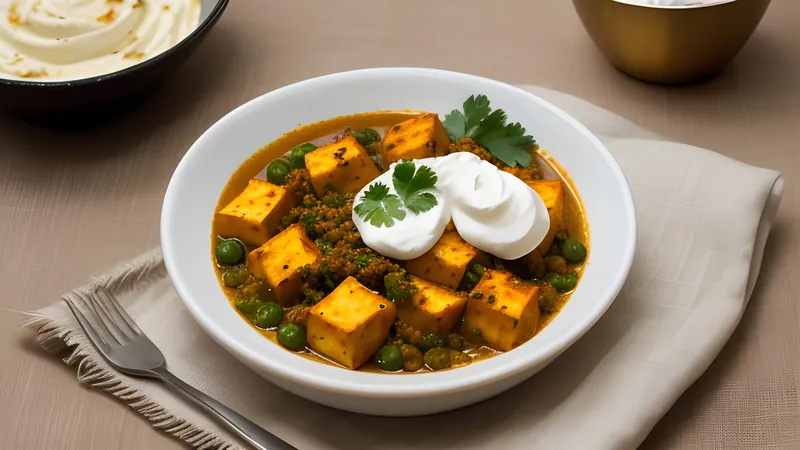
↓ Jump to recipeIf someone tells me they do not like paneer, I make them this. Paneer butter masala is the gentlest, most golden curry on the menu, a sauce so smooth and mellow that it wins over people who think they dislike Indian food and people who think paneer is bland squeaky cheese. It is sweet with butter, rounded with cashew and cream, warm with just enough spice to be interesting and never enough to frighten anyone. It is also the dish that taught me a small trick that changed how I make every tomato-based curry: char the tomatoes first.
Blackening the tomatoes in a dry pan before they go into the gravy adds a faint smokiness that stands in for the tandoor a restaurant would use, giving depth to a sauce that can otherwise taste flat and one-note. It costs you five minutes and a scorched pan, and it is the difference between a good paneer butter masala and one people remember.
Paneer Butter Masala
Ingredients
- 400g paneer, cut into 2.5cm cubes
- 500g ripe tomatoes, halved (about 6)
- 60g cashews
- 50g butter, plus 1 tbsp for the paneer
- 1 tbsp neutral oil
- 1 large onion, roughly chopped
- 1 tbsp ginger-garlic paste
- 2 green cardamom pods
- 1 small cinnamon stick
- 1.5 tsp Kashmiri chilli powder
- 1 tsp ground coriander
- 0.5 tsp garam masala, plus a pinch to finish
- 1 tsp caster sugar
- 1 tsp dried fenugreek leaves (kasuri methi)
- 100ml double cream, plus more to swirl
- salt, to taste
- fresh coriander, to serve
Method
- Char the halved tomatoes cut-side down in a dry, very hot pan (or under a hot grill) for 5-6 minutes until blackened in patches. This gives the gravy a smoky depth. Set aside.
- Simmer the cashews in a little water for 10 minutes to soften, then drain.
- Melt half the butter with the oil. Fry the onion, cardamom and cinnamon until the onion is soft and golden, about 8 minutes. Add ginger-garlic paste and cook 2 minutes.
- Add the charred tomatoes, chilli powder, coriander and garam masala. Cook for 8-10 minutes until the tomatoes break down and the mixture is jammy.
- Fish out the cinnamon and cardamom. Blend the mixture with the softened cashews and a splash of water until completely smooth. Pass through a sieve for a restaurant-silky gravy if you like.
- Return to the pan with the remaining butter. Simmer 5 minutes, then stir in sugar, crushed kasuri methi and cream. Loosen with water to a pourable, glossy sauce.
- Meanwhile, brown the paneer cubes in 1 tbsp butter until golden on two sides, then slip them into warm water for 5 minutes to keep them soft.
- Add the drained paneer to the gravy, simmer gently for 3-4 minutes, season, and finish with a swirl of cream, a pinch of garam masala and fresh coriander.
Butter masala, makhani, and a note on the name
There is endless confusion about paneer butter masala, paneer makhani and butter chicken, so let me untangle it. They are close cousins, all built on the same silky tomato-butter-cream base, the makhani (“buttery”) gravy that came out of Delhi’s Punjabi restaurants in the mid-twentieth century. The story usually credited is that of the Moti Mahal restaurant, where cooks are said to have invented butter chicken to use up tandoori chicken in a rich tomato gravy, and dal makhani alongside it. Paneer butter masala is the vegetarian sibling: the same luxurious sauce, with cubes of fresh cheese in place of the chicken.
Butter masala tends to be a touch sweeter and smoother, makhani a shade more robust, but the line between them is genuinely blurry and cooks use the names interchangeably. What matters is the character: mild, creamy, mildly sweet, deeply comforting. It sits in the same family as my dal makhani with butter and cream and the richer, dumpling-based malai kofta in a cashew-tomato gravy, all three sharing that Punjabi restaurant DNA.
Getting the paneer right
Paneer is a fresh, non-melting cheese, made by curdling hot milk with lemon or vinegar and pressing the curds. Because it does not melt, it holds its shape in a sauce, which is exactly what you want here. But it has a habit of turning rubbery and squeaky if you treat it carelessly, and this is the source of most people’s paneer scepticism.
Two things keep it soft. First, brown it gently in a little butter for colour and flavour, but do not fry it hard or long; overcooked paneer tightens and toughens. Second, and this is the restaurant secret, drop the browned cubes into warm water for a few minutes before they go into the gravy. The water rehydrates and relaxes the cheese, so it stays pillowy and soft right through to serving. Shop-bought paneer especially benefits from this; it can be firm and dry straight from the packet. If you have the time and inclination, home-made paneer is softer and sweeter, and simple enough to make, though a good block from the shop is perfectly fine.
Building the gravy
The gravy is the whole point, and it rewards a little care. After charring the tomatoes, you fry an onion slowly with whole cardamom and cinnamon until it is soft and golden; those whole spices perfume the fat and are fished out before blending so you get their aroma without gritty bits. The charred tomatoes and bloomed ground spices then cook down together until jammy, at which point the raw edge of the tomato has gone and the base is sweet and concentrated.
Cashews, softened by a short simmer, blend into the sauce to give it that unmistakable velvety body and gentle sweetness. This is the same cashew-paste technique behind every great makhani gravy, doing the work of thickening and enriching at once. Blend everything until completely smooth, and if you want the truly glossy, restaurant-style texture, pass the sauce through a sieve to catch any last graininess. It is an extra minute for a noticeably silkier result.
Finish with butter, a little sugar to round the tomato, cream for richness, and kasuri methi, the dried fenugreek leaves that give North Indian curries their signature faintly bitter, savoury perfume. Crush them between your palms as you add them to release the aroma. Taste for salt and balance; the sauce should be mellow, gently sweet and just warm with chilli.
Serving, make-ahead and variations
What to serve with it. This is a sauce made for mopping. Warm buttered naan is the classic, and a plate of plain basmati or jeera rice catches the rest. Keep the accompaniments simple so the gravy stays the centre of attention; a sharp onion salad and a cooling cucumber raita are all it needs.
Make-ahead. The gravy is a brilliant thing to make in advance; it keeps for three days in the fridge, improves overnight, and freezes well without the cream (stir the cream in when you reheat). Add the paneer only when you are ready to serve, so it stays soft. This makes the dish genuinely easy for a dinner party: sauce done the day before, cheese browned and folded in at the last minute.
Adjusting richness. The classic version is unapologetically rich. To lighten it, use less butter and cream and let the cashews and tomato carry more of the body; the flavour holds up well. For a vegan version, swap paneer for firm tofu (press it well first) and use a plant cream and oil; the charred-tomato and cashew base is naturally dairy-optional apart from the butter and cream.
Spice level. Kashmiri chilli powder is used here mainly for its deep red colour and mild heat. If you want more kick, add a slit green chilli to the onions or a pinch of hot chilli powder, but remember the soul of this dish is gentleness.
Storage. Leftovers keep for three days and reheat well over a low heat with a splash of water; the paneer softens further and the flavours deepen. It does not freeze quite as gracefully once the paneer is in, as the cheese can turn a little crumbly, so freeze the gravy alone if you are batch-cooking.
Why this is the one to start with
For anyone nervous about cooking Indian food at home, paneer butter masala is the right place to begin. There is no meat to worry about, the spicing is forgiving, the technique is mostly patience, and the result tastes like something you would happily pay for in a good restaurant. Master the charred-tomato base and the soft paneer, and you have the foundation for a whole family of makhani dishes. Serve it golden and glossy with a swirl of cream on top and a scatter of coriander, and watch the paneer-sceptics quietly go back for more.
A note on tomatoes and season
One last thing that quietly decides how good this curry is: the tomatoes. In the depths of a British winter, when fresh tomatoes are pale and watery, reach for a good tin of whole plum tomatoes instead and char a couple of fresh ones on top for the smoky note. Tinned tomatoes are picked ripe and hold more concentrated flavour than sad out-of-season fruit, and the gravy will be the better for it. In late summer, when tomatoes are genuinely ripe and sweet, this dish reaches its peak and needs barely any sugar at all. Cooking with the calendar rather than against it is the least glamorous and most reliable trick in the whole book, and it applies to a curry as surely as it does to a salad.
Related Content