Pain de Campagne with a Long Cold Ferment
A French country loaf that trades effort for patience
Contents
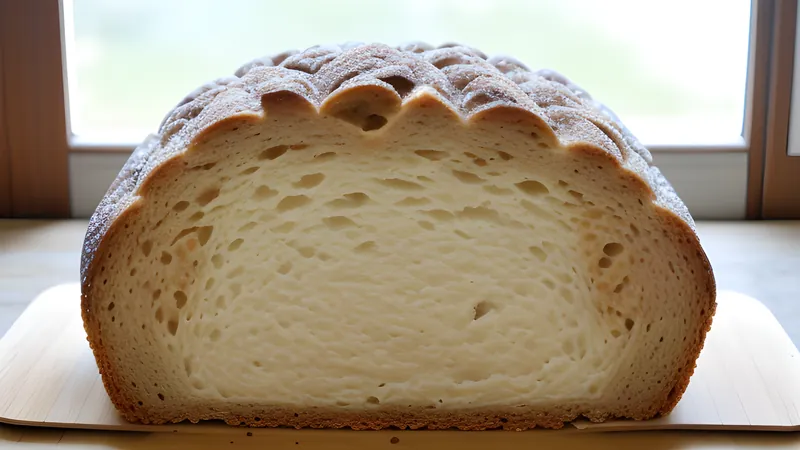
↓ Jump to recipePain de campagne is the loaf French bakers make when nobody is watching. The baguette gets the glamour and the tourist photographs; the country loaf is the big, round, dependable thing on the end of the counter that a family actually lives on for a week. It is a blend of white flour with a little wholemeal and rye, fermented slowly, baked dark, and built to keep. If a baguette is a performance, a pain de campagne is a habit.
My version leans hard on a long cold ferment, an overnight retard in the fridge, which is the twist that turns a decent loaf into a memorable one. The cold slows the yeast to a crawl while the enzymes and bacteria keep working, and what you get in the morning is a dough that smells of yoghurt and apples and bakes into something with genuine depth of flavour. It also means the shaping happens one day and the baking the next, which suits a real life far better than a single long day chained to a dough.
Pain de Campagne with a Long Cold Ferment
Ingredients
- 400g strong white bread flour
- 75g wholemeal flour
- 25g dark rye flour
- 370g water (around 30C)
- 100g active sourdough starter, or 5g instant yeast plus a 100g stiff overnight preferment
- 10g fine salt
- Rice flour or plain flour, for the banneton
Method
- Mix the three flours with the water to a shaggy dough, cover, and autolyse for 45 minutes.
- Add the starter (or yeast and preferment) and squeeze it through the dough, then rest 20 minutes.
- Add the salt with a splash of water and work it in until fully incorporated.
- Bulk-ferment for 3 to 4 hours at warm room temperature, giving 3 sets of stretch-and-folds in the first 90 minutes, until the dough is puffy, jiggly and risen by about half.
- Tip out, pre-shape into a loose round, and rest 20 minutes uncovered.
- Shape into a tight boule, building surface tension, and place seam-side up in a well-floured banneton.
- Cover and cold-retard in the fridge for 12 to 18 hours.
- Heat the oven to 250C fan with a Dutch oven inside for 45 minutes.
- Turn the loaf out onto baking paper, score decisively with a blade, and lower it into the hot pot. Cover.
- Bake covered for 22 minutes, then uncovered at 230C fan for 20 to 23 minutes until deep mahogany. Cool fully on a rack, at least 1 hour, before slicing.
The bread of the countryside
Pain de campagne means, simply, country bread, and for most of French history it was the default: a large miche, often several kilos, baked in a communal or farmhouse oven once a week or even once a fortnight. The rye and wholemeal were partly economy and partly preservation, because a loaf with some whole grain and a good acidic ferment stays edible far longer than a pure white bread. Families ate down the loaf over days, and the crust hardened into a shield that kept the crumb inside soft.
The nostalgic irony is that the white baguette we now think of as quintessentially French is the newcomer, a largely twentieth-century urban fashion, while the humble country loaf is the older tradition. When artisan bakers in France began reviving traditional methods in the eighties and nineties, in reaction to industrial pain, pain de campagne was one of the standards they returned to. Poilâne in Paris built an entire international reputation on a giant sourdough miche that is, at heart, a pain de campagne scaled up and burnished dark.
The small percentages of rye and wholemeal are doing real work. Rye in particular brings enzymes and a faintly savoury, almost cocoa-ish note that white flour cannot, which is the same reason a proper Borodinsky dark Russian rye with coriander tastes so much deeper than any wheat loaf. You are not making a rye bread here; you are seasoning a wheat bread with rye.
Flour blend and the autolyse
The blend I use is 80 per cent strong white, 15 per cent wholemeal and 5 per cent dark rye. That is enough whole grain for flavour and colour without the loaf turning dense. If you want it more rustic, push the wholemeal to 25 per cent and add another 15g of water to compensate, because bran drinks.
Start with an autolyse: mix just the flours and water and leave them 45 minutes before adding anything else. This hydrates the bran, kick-starts gluten development with no kneading, and makes the wholemeal far less gritty and tight. It is 45 minutes of doing nothing that pays back in a smoother, more extensible dough. Add your leaven, whether a lively sourdough starter or a yeasted overnight preferment, then rest again before working in the salt.
Fermentation, the actual flavour
The bulk ferment at warm room temperature, three to four hours, is where the yeast and bacteria build their gas and their acids. Three sets of stretch-and-folds in the first 90 minutes develop strength without kneading; after that, leave it alone to rise. You are looking for a dough that has grown by about half, feels puffy and alive, jiggles when you shake the tub and shows a few bubbles at the surface. Judge it by look and feel, never the clock, because kitchen temperature changes everything.
If you use sourdough, the timings stretch and the flavour deepens; if you use commercial yeast with a preferment, it is faster and milder. Both are honest routes. The wet-dough handling here is the same family of skills as a ciabatta with a wet dough and an open crumb, so if you have made one, the other will feel familiar.
Shaping and the overnight cold
Pre-shape into a loose round and let it rest uncovered for 20 minutes so a light skin forms, which makes the final shape easier. Then shape a tight boule: pull the edges into the centre, flip it seam-down, and drag it across the bench in small circles under cupped hands to build surface tension. That tension is what lets the loaf rise up rather than spread out. Place it seam-side up in a well-floured banneton; a mix of rice flour and plain flour resists sticking best.
Now the cold retard: 12 to 18 hours in the fridge, covered. This is the flavour step and also the convenience step. The dough firms up, which makes it far easier to score cleanly, and the slow cold fermentation builds the tang. A well-retarded dough scores like cold butter and springs beautifully. This same overnight-cold logic gives a batch of bagels their character too; the fridge is doing your flavour work while you sleep.
Baking in a Dutch oven
A Dutch oven is the home baker’s cheat for steam. Preheat it, empty, at 250C fan for a full 45 minutes, because a properly hot pot is what gives the loaf its violent oven spring. Turn the cold loaf out onto baking paper, score it decisively with a lame or a very sharp blade, one confident slash or a simple cross, and lower it in on the paper. Cover.
The trapped steam from the dough’s own moisture keeps the crust supple through the first phase, so the loaf can expand to its full size and the score can bloom open. Bake covered for 22 minutes, then uncover, drop to 230C fan, and bake another 20 to 23 minutes until the crust is a deep, almost dangerous mahogany. Bake it darker than you think you dare; a pale country loaf tastes underdone, and the darkest crust carries the most flavour. Internal temperature should read 98C or above.
Cooling, faults and keeping
Cool it fully on a rack, at least an hour, ideally longer. The crumb is still setting and the starches are retrograding into a sliceable structure; cut too soon and you get a gummy, gluey middle and blame the recipe. The crackle you hear as it cools, the crust singing, is the sound of a loaf done right.
If your crumb is tight and dense, the usual culprits are under-fermentation, too little water for a whole-grain blend, or a cold, sluggish rise mistaken for done. If the loaf is flat and spread, it over-proofed or was shaped without enough tension. If the crust is pale and soft, the pot was not hot enough or the bake was too short.
A good pain de campagne keeps for the best part of a week, cut-side down on a board. It stales into usefulness rather than uselessness: toast, then rubbed with garlic and tomato, then torn into a soup, then dried for breadcrumbs. Slice and freeze whatever you cannot eat in four days. It is a loaf that asks for one hour of attention across two days and gives you a week of bread in return.
Related Content