Opera Cake with Coffee and Chocolate
Almond sponge, coffee buttercream and dark ganache in seven thin storeys
Contents
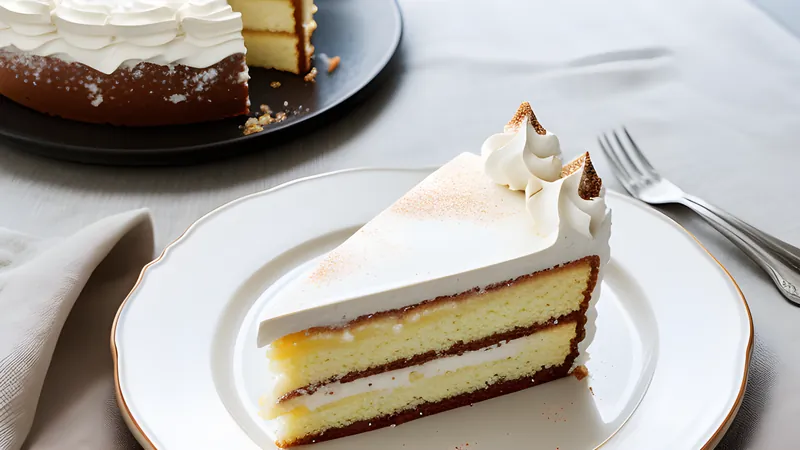
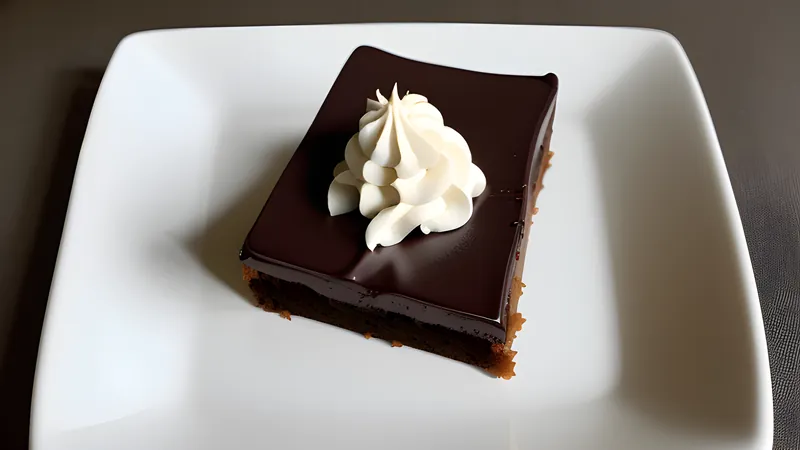
↓ Jump to recipeThe opera cake was born to be looked at. When Dalloyau, the venerable Parisian patisserie, put its version on the counter in 1955, the whole point was the cross-section: a slender rectangle you could stand on its end to reveal thin, ruler-straight bands of sponge, cream, chocolate and glaze, like the storeys of a building or, as the name insists, the tiers of an opera house. Some say it was named for the Palais Garnier round the corner; others credit a dancer from the Paris Opera Ballet. Either way the ambition is architectural, and that is what makes it such a satisfying thing to build at home.
I will be honest with you before we start: this is a project. It has more components than anything else on my baking shelf, and there is no getting round the fact that you make a sponge, a syrup, a buttercream, a ganache and a glaze. But none of the five is difficult on its own, and the reward is a cake that looks like it came from a glass cabinet on the Rue du Faubourg Saint-Honoré. Read the whole method first, get your components lined up, and it becomes an afternoon of pleasant assembly rather than a scramble.
Opera Cake with Coffee and Chocolate
Ingredients
- 150g ground almonds
- 150g icing sugar
- 4 large eggs
- 40g plain flour
- 4 large egg whites
- 25g caster sugar
- 30g unsalted butter, melted
- 300ml strong espresso or very strong filter coffee
- 50g caster sugar (for the syrup)
- 250g unsalted butter, softened (for the buttercream)
- 2 large eggs (for the buttercream)
- 150g caster sugar (for the buttercream)
- 2 tbsp instant espresso powder dissolved in 1 tbsp hot water
- 200g dark chocolate (60-70%), chopped
- 200ml double cream
- 20g unsalted butter (for the glaze)
Method
- Heat the oven to 220C fan. Line two large baking trays with paper. Whisk the ground almonds, icing sugar, whole eggs and flour to a smooth, pale batter for 3-4 minutes until thick and airy.
- In a clean bowl, whisk the egg whites to soft peaks, add the 25g caster sugar and whisk to firm, glossy peaks. Fold a third into the almond batter to loosen, then fold in the rest and finally the melted butter.
- Spread thinly and evenly over the two trays, about 5mm deep. Bake 6-8 minutes until just set and pale gold. Cool, then cut three equal rectangles roughly 20 x 12cm.
- For the syrup, stir the hot espresso with 50g caster sugar until dissolved. Cool.
- For the buttercream, whisk the 2 eggs and 150g sugar over a pan of simmering water to 70C (hot to the touch, thick and pale). Whisk off the heat until cool and doubled, then beat in the soft butter a cube at a time to a smooth cream. Beat in the dissolved espresso.
- For the ganache, heat the cream to a simmer, pour over the chopped chocolate, wait 2 minutes, then stir smooth. Reserve half for the glaze; let the rest cool to a spreadable set.
- Assemble: place one sponge on a lined tray. Brush generously with coffee syrup. Spread half the buttercream. Add a second sponge, brush with syrup, spread all the set ganache. Add the third sponge, brush with syrup, spread the remaining buttercream in a thin, level layer. Chill 1 hour.
- Warm the reserved ganache with the 20g butter until pourable and glossy. Pour over the chilled cake and spread level. Chill until set, then trim the edges with a hot knife and cut into neat squares.
The joconde: a sponge built for thinness
The sponge is a joconde, an almond sponge that stays supple and thin. Ground almonds do two things here: they keep the crumb tender and moist without needing much flour, and they give the cake enough backbone to be soaked with coffee syrup without collapsing to mush. You beat whole eggs into the almonds and icing sugar until the batter is pale and thick, then lighten it with a separate meringue of whipped whites. The whites are what stop a nut-heavy batter from baking dense.
Spread it thin, about 5mm, and bake it hot and fast. A joconde wants a blast of heat for six or seven minutes so it sets before it dries; overbake it and it turns papery and cracks when you roll or lift it. You are aiming for just-set and barely gold. Once cool, cut three even rectangles. Evenness is everything in an opera cake because the finished slice is judged on its stripes.
If you have made a genoise you will find the joconde familiar territory; both rely on beaten eggs for lift rather than raising agents. My génoise with raspberry and chantilly uses the same whisk-and-fold discipline, and getting comfortable with one makes the other easy.
Coffee, and the case for real espresso
Opera cake lives and dies by its coffee. This is where a lot of home versions go wrong, leaning on a spoon of instant stirred into water that tastes of nothing. Use proper espresso, or filter coffee brewed twice as strong as you would drink it. The syrup soaks the sponge and carries the bitterness that keeps all that butter and chocolate from turning cloying, and the buttercream carries the aroma. Weak coffee gives you a sweet beige cake; strong coffee gives you an opera.
The buttercream is a French-style one made over gentle heat, which sounds fussy but simply means you cook eggs and sugar to a safe, thick base before beating in soft butter. It is silky, stable and holds a clean edge when cut. Whisk the melted-chocolate ganache to a spreadable set for the middle layer, and keep half back, loose, for the mirror glaze on top.
That marriage of coffee and dark chocolate is one of the great pairings, and if you love it as much as I do you will already have made my affogato with amaretto, which chases the same bitter-sweet contrast in a glass. The opera is that idea rebuilt in seven storeys.
Assembly: patience and a spirit level
Here is the order, and it matters. Sponge, soak with syrup, half the buttercream. Second sponge, soak, all the ganache. Third sponge, soak, a thin final layer of buttercream to seal the top flat. Chill hard for an hour so everything firms, then pour the warm glaze and spread it level in one confident sweep.
Two rules keep it clean. First, soak each sponge generously; a dry opera cake is a sad, crumbly thing, and the syrup is what fuses the layers into one soft slab. Second, chill between the big steps. Warm buttercream and warm cake shear apart when you try to stack; cold ones behave. The final glaze must go onto a properly cold, set surface or it drags the buttercream up into itself and streaks.
Getting a clean cut
The reveal is in the slice. Trim all four edges first with a knife dipped in just-boiled water and wiped dry; this exposes the layers and gives you a straight reference. Then cut into small squares or slim fingers, reheating and wiping the blade every single time. Cold cake, hot dry knife: that is the whole secret to the crisp-edged, glossy-topped squares that look professional. Traditionally an opera cake is finished with the word “Opéra” piped in chocolate across the glaze, which you are welcome to attempt with a paper cone and a steady hand.
Tips, storage and variations
Make it over two days if the length daunts you. Bake the joconde and make the syrup and buttercream on day one; assemble and glaze on day two. The sponge keeps well wrapped.
Serve it cool. Straight from the fridge the butter is firm and the flavours are muted. Twenty minutes at room temperature lets the coffee and chocolate open up.
Storage: it keeps beautifully, covered, in the fridge for up to five days, and the flavour deepens as the syrup settles. It is a genuine make-ahead showpiece.
On the almonds: buy ground almonds fresh and, if you can, give them a quick dry toast in a low oven before grinding into the batter; even a few minutes of colour deepens the nuttiness and stops the sponge tasting flatly sweet. Old ground almonds go stale and slightly bitter, so smell the packet first. A joconde is mostly almond, and a tired almond shows.
A lighter riff: replace the coffee syrup and buttercream with a raspberry version, soaking the sponge in a raspberry syrup and folding freeze-dried raspberry powder into the buttercream, keeping the dark ganache for contrast. The classic is coffee, but the structure is a canvas.
Rich variation: brush a thin layer of apricot jam under the final glaze, borrowing the trick from a sachertorte with apricot and dark chocolate glaze, where a whisper of fruit lifts a dense chocolate top.
An opera cake is the sort of thing you make once to prove you can, and then again because the first one taught you it was more manageable than it looked. Cut a slim square, stand it on its end so the stripes show, and pour a very small, very strong coffee. That cross-section is the whole reward, and it is a good one.
Related Content