Olive Oil Panna Cotta with Blood Orange and Thyme
A grown-up wobble with fruity, herbal notes
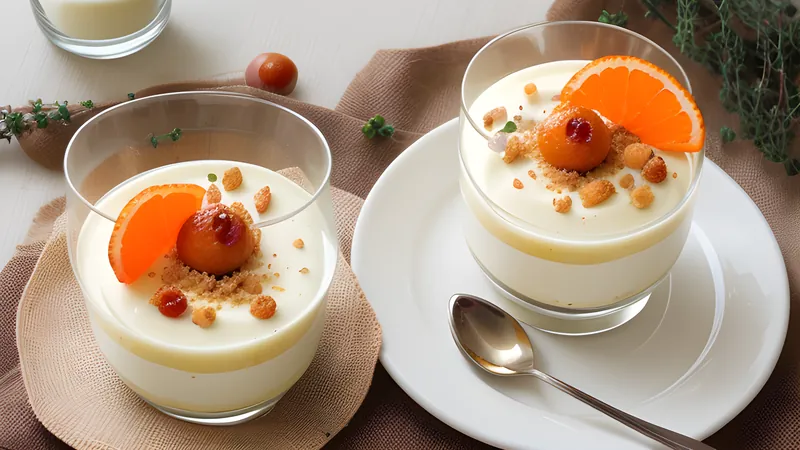
Olive Oil Panna Cotta with Blood Orange and Thyme
Ingredients
- 3 sheets of leaf gelatine
- 400ml double cream
- 150ml whole milk
- 70g caster sugar
- 1 strip of orange zest
- 4 tbsp good fruity extra virgin olive oil
- 3 blood oranges
- 2 tbsp caster sugar, for the syrup
- A few sprigs of fresh thyme, plus extra to serve
- A pinch of flaky sea salt, to finish
Method
- Soak the gelatine sheets in a bowl of cold water for about 5 minutes until soft and floppy.
- Put the cream, milk, caster sugar and strip of orange zest into a saucepan and warm gently until steaming but not boiling.
- Remove from the heat, squeeze the water from the gelatine and stir it in until fully dissolved.
- Fish out the orange zest, then whisk in the olive oil a little at a time so it emulsifies into the warm cream.
- Pour through a fine sieve into a jug, then divide between six glasses or lightly oiled moulds.
- Cool to room temperature, then chill for at least 4 hours until just set.
- For the topping, segment two of the blood oranges over a bowl to catch the juice, squeezing the membranes for every drop.
- Juice the third orange into a small pan with the 2 tablespoons of sugar and the thyme sprigs.
- Simmer for a few minutes until lightly syrupy, then discard the thyme and leave to cool.
- To serve, spoon the blood orange segments and a little syrup over each panna cotta.
- Finish with a few fresh thyme leaves and the smallest pinch of flaky salt.
Panna cotta is the dessert I make when I want maximum effect for minimum fuss, and this version has a quiet trick up its sleeve. Whisking a good fruity olive oil into the warm cream gives the set a subtle savoury roundness and a peppery, grassy note that lingers after the sweetness fades. Topped with jewel-bright blood orange segments and a thyme-scented syrup, it becomes something elegant and grown-up, the kind of pudding that makes a simple supper feel like an occasion. It quivers when you tap the glass, which is exactly how it should be.
1 Cooked cream, reinvented
Panna cotta means “cooked cream” in Italian, and it belongs above all to Piedmont in the country’s north-west, a region famous for its dairy and its love of rich, restrained puddings. At its heart it is one of the simplest desserts imaginable: cream sweetened, gently warmed, and set with just enough gelatine to give it a tender, trembling hold. The genius lies in restraint. Use too much gelatine and you have a rubbery block; the ideal sits barely set, dissolving the moment it meets the tongue.
Adding olive oil is not traditional, but it is very much in the Italian spirit, where good olive oil finds its way into everything from cakes to ice cream. A fruity, peppery oil emulsified into the cream gives the pudding a silkier mouthfeel and a gentle savoury depth that stops it cloying, the same logic that makes a drizzle of oil and a pinch of salt so good on vanilla ice cream. It is a small idea that transforms a familiar dessert.
Blood oranges feel like the perfect partner. Grown around the slopes of Mount Etna in Sicily, where cold nights flush the flesh a deep crimson, they have a flavour that is more complex than an ordinary orange, with hints of raspberry and a keen acidity that cuts the cream beautifully. Thyme bridges the two, its woody, slightly floral note tying the fruit to the savoury oil. Together they make a dessert that tastes of the whole length of Italy.
2 Putting it together
Soak the gelatine while you warm the cream, milk, sugar and a strip of orange zest just to steaming. Off the heat, dissolve in the softened gelatine, then whisk in the olive oil gradually so it emulsifies smoothly rather than splitting into a slick on top. Strain into a jug, divide between glasses or oiled moulds, and chill for at least four hours until just set.
For the topping, segment two of the blood oranges, working over a bowl to save every drop of juice, and squeeze the spent membranes. Simmer the juice from the third orange with a little sugar and a few thyme sprigs until lightly syrupy. To serve, spoon the segments and syrup over each set cream and finish with fresh thyme leaves and a barely-there pinch of flaky salt, which makes all the flavours sing.
3 Tips and variations
The set is everything. For glasses you can use the full amount of gelatine for a reliable wobble, but if you want to turn them out of moulds you may prefer them a touch firmer, so do not reduce the gelatine. To unmould cleanly, lightly oil the moulds first and dip them briefly in just-boiled water before inverting onto a plate with a gentle shake.
Choose your olive oil with care, as its flavour comes through clearly: a fresh, green, peppery oil is wonderful here, while a tired or rancid one will ruin the dish. Blood oranges have a short season in late winter and early spring, so out of season use ordinary oranges, or try mandarins or pink grapefruit for a similar tang. Rosemary can stand in for thyme if you prefer a more resinous note.
Best of all, this is a make-ahead dream. The panna cotta sets happily overnight, and the orange topping can be prepared a few hours in advance and kept chilled, leaving nothing to do at the table but spoon it over and scatter the thyme.
If you have never set anything with leaf gelatine before, do not be daunted. The sheets soften in cold water within minutes, and the only thing to watch is the temperature of the cream when you stir them in: warm and steaming dissolves them perfectly, but a fierce boil can weaken their setting power, so keep the heat gentle throughout. Squeeze the soaked sheets well before adding them, since the extra water they carry would otherwise dilute your mixture and slacken the set.
Related Content