Olive Oil and Fennel Seed Grissini
Snappable breadsticks with an aniseed crackle
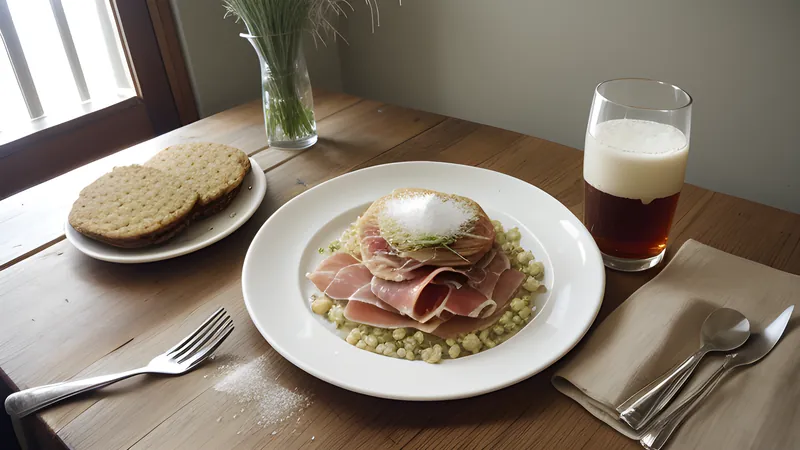
Olive Oil and Fennel Seed Grissini
Ingredients
- 250g strong white bread flour, plus extra for dusting
- 5g fast-action dried yeast
- 5g fine salt
- 1 tbsp fennel seeds, lightly crushed
- 150ml warm water
- 3 tbsp extra virgin olive oil, plus extra for the tray
- Flaky sea salt, to finish
Method
- Toast the fennel seeds in a dry pan for a minute until fragrant, then crush them lightly in a pestle and mortar.
- In a large bowl, combine the flour, yeast, fine salt and most of the crushed fennel seeds.
- Make a well, pour in the warm water and 2 tablespoons of the olive oil, and bring together into a rough dough.
- Knead on a lightly floured surface for 8 to 10 minutes until smooth and elastic.
- Place in an oiled bowl, cover, and leave to rise in a warm spot for about an hour until doubled.
- Heat the oven to 200C fan and line two baking trays with paper, brushed lightly with oil.
- Tip the dough onto a floured surface and press into a rough rectangle about 1cm thick, then brush with the remaining olive oil.
- Cut the dough into thin strips about 1cm wide using a sharp knife or a dough scraper.
- Roll and stretch each strip with your palms into a long, thin stick and lay them on the trays with a little gap between.
- Scatter over the remaining fennel seeds and flaky sea salt, pressing gently so they stick.
- Bake for 18 to 20 minutes, swapping the trays halfway, until deep golden and crisp through.
- Cool on a wire rack, where they will crisp up further as they sit.
There is something quietly satisfying about a grissini snapped between finger and thumb, that clean dry crack and the shower of fennel seeds. These are nothing like the cellophane-wrapped sticks you find in restaurants. Homemade ones are slimmer, browner, properly crisp, and carry a real perfume of toasted fennel and good olive oil. The twist here is gently toasting the fennel seeds before crushing them, which wakes up their aniseed warmth so it runs through every bite rather than just sitting on the surface. They take a little patience to roll, but the dough is forgiving and the results vanish alarmingly fast.
1 A breadstick with a birthplace
Grissini are the pride of Turin, in the Piedmont region of north-west Italy, and unlike most breads they actually have a fairly well-documented origin. The story goes that in the seventeenth century a sickly young Duke of Savoy struggled to digest the soft, doughy bread of the day, and a court baker was asked to make something lighter and more thoroughly cooked. The answer was the grissino: bread stretched so thin and baked so dry that it was almost all crust, easy on a delicate stomach and impossible to leave half-raw in the middle.
The thin sticks caught on far beyond the ducal court. Napoleon is said to have been fond of them, calling them les petits bâtons de Turin, and they spread across Italy and eventually the world as the standard restaurant nibble. The authentic Turinese style, grissini stirati, are hand-pulled and irregular, knobbly and rustic rather than the uniform machine-made versions. Pulling them by hand gives a more interesting texture, with thicker knuckles and thinner middles that bake to different shades of gold.
Fennel is a very Italian flavour to fold through them, echoing the seeds you find in salami, in taralli from the south, and in countless regional breads. The aniseed note is gentle and savoury rather than sweet, and it pairs beautifully with cured meats, cheese and a glass of something cold. This is a recipe with deep roots that asks for almost nothing from your store cupboard.
2 Making them
Start by toasting and crushing the fennel seeds, which makes all the difference to the finished flavour. Mix the dry ingredients, then bring everything together with warm water and olive oil into a rough dough and knead until smooth and elastic, around eight to ten minutes by hand. After an hour of proving, the dough should be puffy and doubled.
Press it out into a rectangle rather than rolling, brush with oil, and cut into narrow strips. Then comes the meditative part: rolling each strip under your palms and stretching it into a long thin stick. Aim for roughly pencil thickness, knowing they will shrink and firm as they bake. Lay them out, scatter with the reserved seeds and flaky salt, and bake hot until deeply golden. They crisp further as they cool, so do not be tempted to pull them while still bendy.
3 Tips and variations
The thickness you roll to decides everything. Thicker sticks stay a little chewy in the centre, which some people love, while truly thin ones bake bone-dry and snappy all the way through. If yours come out soft in the middle, they simply need longer in a slightly cooler oven to dry out.
Fennel is the classic here, but the dough is a blank canvas. Try cracked black pepper, rosemary, sesame, nigella seeds, or a little finely grated Parmesan worked through before shaping. A pinch of dried chilli is lovely alongside the fennel. For a wholemeal version, swap up to a third of the flour, though you may need a splash more water as wholemeal drinks it up.
They keep beautifully for four or five days in an airtight tin, and if they ever soften, a few minutes in a warm oven brings the crispness straight back. Make a double batch and you will be glad you did. Serve them standing in a tall glass on the table, draped with prosciutto, or simply for dipping into a bowl of good olive oil.
A word on the dough itself: do not skimp on the kneading, as a well-developed gluten network is what lets you stretch each stick thin without it snapping back or tearing. If you have a stand mixer with a dough hook, let it do the work for five or six minutes. And if the dough resists stretching, cover it and rest it for ten minutes before trying again; gluten relaxes with time, and a rested dough pulls out far more willingly than a tense one fresh off the bench.
Related Content