Oatmeal Raisin Cookies, the Chewy Kind
Browned butter and rum-plumped raisins in a properly soft oat cookie
Contents
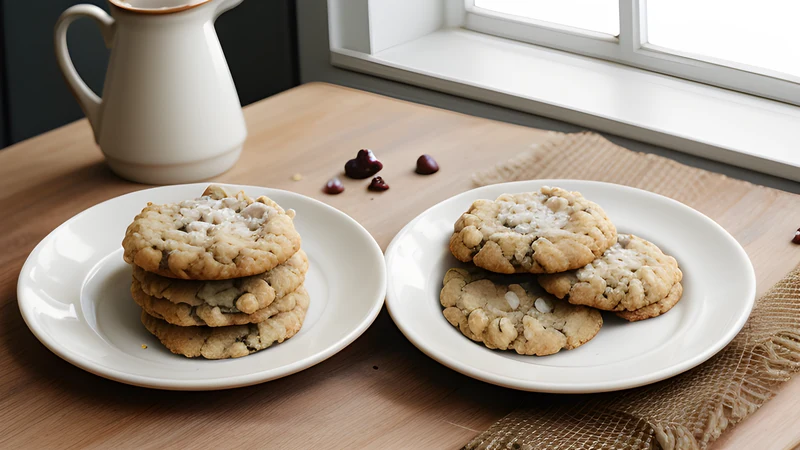
↓ Jump to recipeAn oatmeal raisin cookie is either a small triumph or a genuine disappointment, with very little in between, because the same recipe done carelessly gives you a dry, sandy, cakey biscuit that has given the whole genre a bad name. The chewy kind is the goal: soft and dense in the middle, crisp at the edge, with real toffee depth and raisins that are plump and juicy rather than shrivelled little bullets. My version gets there with two changes to the standard recipe, browning the butter for a nutty, caramelised backbone and soaking the raisins in rum so they stay soft and carry a warm, boozy hum through the finished cookie.
Oatmeal Raisin Cookies, the Chewy Kind
Ingredients
- 150g raisins
- 3 tbsp dark rum (or apple juice)
- 150g unsalted butter
- 180g soft light brown sugar
- 60g caster sugar
- 1 large egg
- 1 tsp vanilla extract
- 150g plain flour
- 1/2 tsp bicarbonate of soda
- 1 tsp ground cinnamon
- 1/2 tsp fine salt
- 150g rolled porridge oats
Method
- Warm the raisins and rum in a small pan for 2 minutes, then leave to plump and cool while you continue.
- Melt the butter in a pan over medium heat and cook, swirling, until it foams, smells nutty and turns amber, about 4 to 5 minutes. Cool for 10 minutes.
- Whisk the browned butter with the brown sugar and caster sugar, then whisk in the egg and vanilla until smooth.
- Stir in the flour, bicarbonate of soda, cinnamon and salt, then the oats and the raisins with any unabsorbed liquid.
- Rest the dough for 20 minutes so the oats hydrate and the dough firms up.
- Heat the oven to 180C fan and line two baking sheets with parchment.
- Roll into balls of about 40g, sit them well apart, and flatten each very slightly.
- Bake for 10 to 12 minutes until the edges are golden but the centres still look underdone. Cool on the sheet for 5 minutes before moving to a rack.
The wholesome cookie that never quite escaped its reputation
The oatmeal cookie grew directly out of the oat porridge tradition and the early twentieth-century enthusiasm for oats as a health food. Rolled oats were milled and marketed heavily in North America and Britain from the late nineteenth century, sold as nourishing, cheap and good for you, and a recipe for oatmeal cookies has appeared on the side of Quaker Oats packaging since the early 1900s, which did more than any cookbook to fix the cookie in the popular kitchen. Raisins were the natural addition, cheap and long-keeping, adding sweetness and chew, and the spiced, fruited oat cookie became a lunchbox and cookie-jar fixture on both sides of the Atlantic.
That wholesome reputation is exactly what has dogged the cookie ever since, because for decades the oatmeal raisin was positioned as the sensible, virtuous alternative to a chocolate chip cookie, and virtuous baking has a way of turning out dry. The infamous internet joke about the disappointment of reaching for a chocolate chip cookie and biting into oatmeal raisin instead is funny only because so many oatmeal raisin cookies genuinely are bad: over-floured, over-baked, sweetened timidly, and made with mean little raisins that dry out further in the oven. Done properly, with enough sugar, enough fat and the raisins looked after, it is one of the best cookies there is, which the joke conveniently forgets.
There is real craft in the good versions, and the cookie sits in the same weeknight-baking family as my peanut butter cookies with flaky salt, sharing the same need for a slightly underbaked centre and a proper rest on the sheet. Both are cookies that punish overbaking more than almost anything else in the tin.
Why brown the butter
Browning the butter is the change that lifts this cookie out of the ordinary. When butter is heated past its melting point, the water boils off and the milk solids left behind toast and caramelise, turning golden brown and giving off a deep, nutty, almost butterscotch aroma. Stirred into the dough, that browned butter brings a caramelised, toffee-like complexity that plain melted butter cannot, and it flatters the brown sugar, the cinnamon and the raisins all at once. The oat cookie, with its slightly savoury, wholesome base flavour, takes to browned butter especially well.
There is a small technical consequence to browning that is worth understanding. Browning drives off the water naturally present in butter, roughly fifteen per cent of its weight, which slightly reduces the moisture in your dough and concentrates the fat. That is part of why this recipe rests the dough for twenty minutes before baking: the rest lets the oats absorb moisture and the flour hydrate, firming a dough that would otherwise be a little loose and helping the cookies bake up chewy rather than spreading thin. Let the browned butter cool for ten minutes before mixing so it does not cook the egg when they meet; use it while still soft and pourable rather than letting it resolidify.
Watch the butter closely as it browns, because it goes from perfectly amber to acrid and burnt in well under a minute. Swirl the pan so the solids brown evenly and use a light-coloured pan if you can, so you can actually see the colour; the moment it smells like toasted nuts and looks the colour of weak tea, pull it off the heat, since the residual warmth of the pan keeps it cooking.
Rum-plumped raisins, and the oats that matter
The other change is the raisins. Dry raisins added straight to a cookie dough draw moisture out of the surrounding crumb and can bake into hard little nuggets, so warming them first in a few tablespoons of rum plumps them up, keeps them soft through baking, and threads a gentle warmth and depth through the cookie that pairs beautifully with the browned butter and cinnamon. Two minutes in a warm pan and then a rest while they cool is enough for the raisins to drink up most of the liquid; tip any that remains unabsorbed into the dough, since it is pure flavour. For a version without alcohol, apple juice does the same plumping job with a fruity note in place of the rum.
The oats themselves are worth getting right. Use rolled porridge oats, the standard flat flakes, rather than jumbo oats, which stay tough and chewy in a way that reads as underdone, or instant oats, which turn to mush and rob the cookie of its texture. The rolled oat gives the ideal balance of chew and structure, softening enough in the dough while still holding its shape. If jumbo oats are all you have, a brief pulse in a food processor breaks them down to roughly the right size.
Between the browned butter, the brown sugar and the rested dough, everything here is arranged to keep the centre chewy, the same goal that drives my chocolate crinkle cookies and rewards the same patience at the oven door.
The recipe
Warm 150g raisins with 3 tablespoons dark rum for 2 minutes, then leave to plump and cool. Melt 150g butter over medium heat and cook, swirling, until it foams, smells nutty and turns amber, about 4 to 5 minutes, then cool for 10 minutes. Whisk the browned butter with 180g soft light brown sugar and 60g caster sugar, then whisk in 1 egg and 1 teaspoon vanilla. Stir in 150g plain flour, 1/2 teaspoon bicarbonate of soda, 1 teaspoon cinnamon and 1/2 teaspoon salt, then 150g rolled oats and the raisins with any liquid. Rest the dough for 20 minutes.
Heat the oven to 180C fan and line two sheets. Roll into 40g balls, space well apart, and flatten each slightly. Bake for 10 to 12 minutes until the edges are golden but the centres still look underdone. Cool on the sheet for 5 minutes before moving to a rack.
Tips, storage and variations
The rest before baking is doing real work, so do not skip it; a dough baked immediately spreads thinner and bakes drier because the oats have not yet taken up moisture. As with any chewy cookie, pull them while the centres still look soft, because they finish setting on the hot sheet, and a cookie baked until the middle looks done will be dry once cooled. Baked cookies keep in an airtight tin for up to five days, and the dough balls freeze well for baking straight from frozen with an extra minute or two.
For variations, swap half the raisins for chopped dried apricots or sour cherries for a sharper fruit, or add 75g of chopped walnuts or dark chocolate for more going on. A pinch of ground ginger or nutmeg alongside the cinnamon warms them further for winter. If you like the browned-butter depth, it is the same technique that carries my browned-butter and pecan blondies, and the two make a fine pair for a cold-weather baking afternoon.
Related Content