Nepali Chicken Momos with Tomato Achar
Hand-pleated steamed dumplings and a tomato-sesame dip lit up with timur
Contents
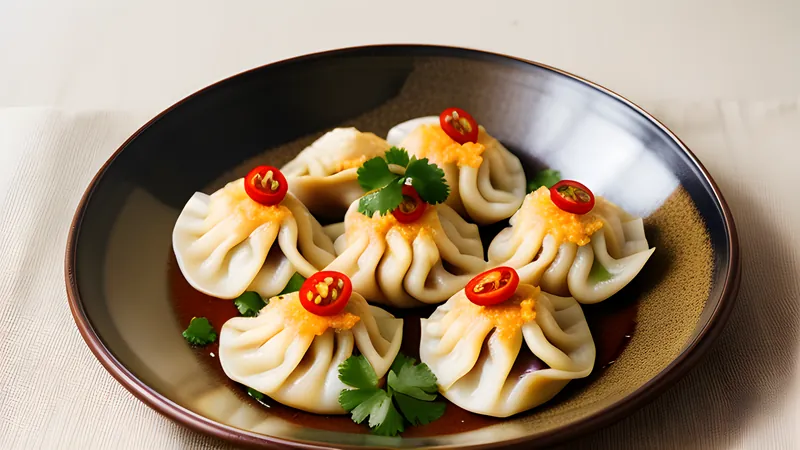
↓ Jump to recipeA good momo is a hand-pleated parcel of spiced chicken, steamed until the wrapper turns glossy and the filling firms into a juicy little dome, and it lives or dies by the dip beside it. The achar here is a tomato-sesame sauce lit up with timur, Nepal’s own citrusy pepper, which leaves a bright tingle on the lips that keeps you reaching for the next one. Make a batch on a slow afternoon, get a rhythm going with the pleating, and you will not go back to the frozen kind.
Nepali Chicken Momos with Tomato Achar
Ingredients
- 300g plain flour, plus extra for dusting
- 160ml warm water
- 1/4 tsp fine salt (for the dough)
- 400g minced chicken (thigh, not too lean)
- 1 small onion, very finely chopped
- 3 spring onions, finely sliced
- 3 garlic cloves, grated
- 20g fresh ginger, grated
- 1/2 tsp ground cumin
- 1/2 tsp ground coriander
- 1/4 tsp ground turmeric
- 1/2 tsp timur (Nepali Sichuan pepper), ground
- 1 tsp fine salt (for the filling)
- 2 tbsp chopped coriander leaves
- 1 tbsp neutral oil
- For the achar: 4 ripe tomatoes
- 3 tbsp sesame seeds, toasted
- 2 dried red chillies
- 2 garlic cloves
- 1/2 tsp timur, ground
- 1/2 tsp salt
Method
- Mix the flour and 1/4 tsp salt, add the warm water and bring together into a firm dough. Knead 5 minutes until smooth, then rest, covered, for 30 minutes.
- Mix the chicken, onion, spring onion, garlic, ginger, cumin, coriander, turmeric, timur, 1 tsp salt, chopped coriander and oil until well combined and slightly sticky.
- Roast the tomatoes under a hot grill until blackened in patches. Toast the sesame seeds until golden. Blitz the tomatoes, sesame, dried chillies, garlic, timur and salt to a loose, dippable sauce. Loosen with a splash of water if needed.
- Roll the dough into a long log and cut into 24 pieces. Roll each into a thin round about 8cm across, keeping the centre a little thicker than the edge.
- Place a heaped teaspoon of filling in the centre of a wrapper. Hold it in one hand and pleat the edge with the other, folding small overlapping tucks around the rim and pinching them closed at the top into a sealed purse.
- Sit the momos on oiled steamer trays, spaced apart. Steam over rapidly boiling water for 12-14 minutes until the wrappers are glossy and the filling is firm and cooked through.
- Serve hot with the tomato achar for dipping.
From Tibet to Kathmandu, and everywhere after
Momos are the great street food of Nepal, sold from steamer stacks in Kathmandu, Pokhara and every bus stop between, but their roots run north over the Himalaya. The dumpling and its name travelled down from Tibet, carried into the Kathmandu Valley along old trade routes, and the Newar community of the valley are usually credited with making it a fixture of city cooking. From there it spread across Nepal and into the Nepali diaspora, picking up local seasonings along the way.
What makes a Nepali momo taste of Nepal rather than of any generic dumpling is the spicing and, above all, timur. Timur is a Himalayan Sichuan pepper, a relative of the Chinese variety, with a sharp, grapefruit-like aroma and the same numbing, fizzing tingle on the tongue. It turns up in the filling and, more importantly, in the achar that comes alongside. Without it you have a nice steamed dumpling; with it you have a momo.
Momos come in several guises: steamed (the classic), pan-fried kothey, deep-fried, and jhol momo, drowned in a spiced sesame-tomato soup. The steamed version with a dipping achar is where I would start, because it is the cleanest showcase for both the filling and the dip.
The filling: seasoned properly, kept juicy
Chicken momos want minced thigh, not breast. Thigh has enough fat to stay moist through steaming, whereas lean breast mince goes dry and crumbly. If your mince looks very lean, work in a spoon of oil, which is exactly what the recipe does to keep the filling succulent.
The aromatics do the heavy lifting: a lot of finely chopped onion and spring onion, plenty of grated garlic and ginger, and the warm ground spices. Chop the onion finely so it softens in the steam and releases moisture into the filling rather than sitting in raw chunks. Ground timur goes in here too, alongside cumin, coriander, turmeric and fresh coriander leaf.
Mix the filling until it turns slightly sticky and cohesive; that tackiness means the proteins have bound and the parcel will hold together and stay juicy. Fry a teaspoon of the mixture in a small pan and taste it before you fill anything, because you cannot re-season a sealed momo. Adjust the salt and timur now. Underseasoned filling is the quiet killer of home dumplings.
The wrapper and the pleat
The dough is the simplest part: plain flour, a little salt, and just enough warm water to bring it to a firm, smooth dough. Knead it for five minutes to develop the gluten, then rest it covered for half an hour so it relaxes and rolls out without fighting back. A firm dough is deliberate here; a soft, slack dough tears and cannot hold a pleat.
Roll the rested dough into a log and cut it into even pieces, then roll each into a thin round about 8cm across. The trick is to keep the centre slightly thicker than the rim: the base carries the weight of the filling and needs to survive the steam, while a thin edge pleats and seals cleanly.
Now the pleat, which is the part that feels impossible for the first five and obvious by the tenth. Hold a wrapper in your cupped palm with a heaped teaspoon of filling in the centre. With your other hand, fold a small tuck of the edge over, then another overlapping it, working your way around the rim so the pleats gather like the neck of a drawstring bag. Pinch them together firmly at the top to seal into a little purse, or fold from both sides towards the middle for a half-moon with a crimped seam. Both are traditional; the purse looks the part, the half-moon is faster. Do not stress about neat pleats at first. A well-sealed ugly momo beats a pretty one that bursts.
Which brings us to the golden rule: do not overfill. A heaped teaspoon is plenty. Cram in more and you cannot gather the edges to seal, the filling forces the seam open in the steamer, and the juices you worked to keep inside end up on the tray. An underfilled momo is a minor disappointment; an overfilled one is a failure. Leave a clear rim of dough to pleat and pinch.
This gathered-pleat, steam-set method is the same family of technique behind other Asian dumplings; if you enjoy the folding, the pleated crescents of my crispy-bottomed vegetable gyoza use a very similar hand movement, and the soft steamed dough of pork belly bao buns with pickled daikon scratches the same itch for a hand-shaped, steam-cooked parcel.
Steaming
Sit the finished momos on oiled steamer trays, well spaced so they do not stick to each other as the dough swells. A traditional Nepali mucktoo is a metal steamer with perforated tiers; a bamboo steamer or any lidded steaming setup works just as well. Oil the surface generously, because a stuck momo tears on lifting and loses its filling.
Steam over rapidly boiling water for 12 to 14 minutes. You will see the wrappers turn from matte and floury to glossy and slightly translucent, which is the signal they are done and the chicken is cooked through. Chicken must be fully cooked, so if in doubt give them the extra minute; unlike a delicate fish dumpling, a chicken momo is forgiving of a little over-steaming.
Lift them off carefully with a thin spatula and serve them hot, the moment they come out of the steamer.
Sourcing timur, and the steamer
Timur is the ingredient worth hunting for, because nothing else quite replaces it. Look for it in Nepali, Tibetan or Himalayan grocers, sometimes labelled Nepal pepper or under its botanical name Zanthoxylum armatum. Buy the whole dried berries and grind them yourself just before use; pre-ground timur fades fast, losing the volatile citrus oils that give it its lift. If you truly cannot find it, Chinese Sichuan pepper is the closest stand-in, sharper and more numbing but in the same family, so use a little less. Ordinary black pepper is not a substitute; it brings heat without the tingle or the aroma that defines the dish.
For the steaming itself, any setup that holds the momos above rapidly boiling water will do, but keep two things in mind. Give the parcels space, because they swell as they cook and will fuse to their neighbours if crowded. And keep the water at a hard, steady boil the whole time, topping it up with more boiling water if a big batch runs the pan dry; a stuttering steam under-cooks the chicken and leaves the wrappers slack and pasty.
The tomato-timur achar
The dip is half the dish and deserves care. Char whole tomatoes under a hot grill until their skins blacken and blister; that smoky note is the backbone of a good momo achar. Toast the sesame seeds until golden and fragrant, watching them so they do not scorch, because burnt sesame turns the whole sauce bitter.
Blitz the charred tomatoes with the toasted sesame, dried red chillies, garlic, salt and ground timur into a loose, spoonable sauce, adding a splash of water to reach a dipping consistency. The sesame thickens it and adds a nutty richness, the chillies bring heat, the charred tomato brings body and smoke, and the timur brings that unmistakable citrus-tingle that says Nepal. Taste and balance: it should be tangy, savoury, warm with chilli, and buzzing gently on the lips.
If you take the achar further and thin it into a fuller, drinkable sauce with a little stock, you have the makings of jhol momo, the “soup momo” of Kathmandu, where the steamed parcels sit in a warm bowl of that sesame-tomato broth to be spooned up together. It is the same dip, loosened and served hot, and it is worth making once you have the base right. A pinch of ground toasted fenugreek or a squeeze of lime sharpens either version.
Make-ahead, storage and variations
Momos freeze beautifully raw. Arrange the shaped, unsteamed parcels on a floured tray so they do not touch, freeze until solid, then bag them; steam from frozen, adding three or four minutes. This is the real reason to make a big batch: assemble once, eat over weeks.
Leftover steamed momos pan-fry the next day into kothey momos, crisped on the base in a little oil, which some people prefer to the original. The achar keeps in the fridge for four or five days and, honestly, improves after a night as the flavours settle.
For a vegetable version, swap the chicken for a mix of finely chopped cabbage, carrot and paneer or crumbled firm tofu, squeezed of excess water and seasoned the same way. Buffalo (buff) momos are the classic Kathmandu street version if you can source the meat. Whatever the filling, the two things that carry the dish are constant: season the filling properly and taste it, and make an achar worth dipping into.
Related Content