Mulligatawny with Apple and Curry
The Anglo-Indian pepper-water soup, thickened with lentils and sweetened with a grated apple
Contents
↓ Jump to recipeMulligatawny is one of the strangest and most enduring things to come out of the collision between British and Indian kitchens. The name is a mangling of the Tamil words milagu thanni - “pepper water” - which described a thin, peppery, tamarind-sharp broth from the south of India, closer to rasam than to anything you would call soup in Britain. The British in India took that idea, decided a proper meal needed a proper soup course, and rebuilt it into something thicker, meatier and altogether more substantial. What came back to Britain was a hybrid: an Indian idea wearing a British dinner-party coat.
That awkward, made-up quality is exactly why I love it. There is no single authentic recipe because it was never a folk dish with deep roots - it was invented in the dining rooms and regimental messes of the Raj, adapted endlessly, and carried home. Every version is a little different, which gives you licence to build one that actually tastes good rather than one that chases an original that never really existed.
Mulligatawny with Apple and Curry
Ingredients
- 3 tbsp ghee or vegetable oil
- 2 onions, finely chopped
- 1 carrot, diced
- 1 celery stick, diced
- 4 cloves garlic, crushed
- 1 thumb (25 g) fresh ginger, grated
- 2 tbsp mild curry powder (Madras strength)
- 1 tsp ground turmeric
- 1 tsp ground cumin
- 0.5 tsp cayenne, or to taste
- 200 g red split lentils, rinsed
- 2 chicken thighs, bone in and skin off
- 1.5 litres chicken stock
- 1 tart eating apple (Bramley works too), peeled and grated
- 150 ml coconut milk
- Juice of 1 lemon
- Salt to taste
- 80 g basmati rice, cooked, to serve
- Fresh coriander, to serve
Method
- Heat the ghee in a large heavy pan over medium heat. Add the onions, carrot and celery with a pinch of salt and cook for 8-10 minutes, stirring, until softened and just turning gold.
- Add the garlic and ginger and cook for 1 minute, then add the curry powder, turmeric, cumin and cayenne. Stir constantly for 60-90 seconds until the spices smell toasted and fragrant.
- Add the rinsed lentils, chicken thighs and stock. Bring to the boil, skim any foam, then reduce to a gentle simmer and cook, partially covered, for 35-40 minutes until the lentils have collapsed and the chicken is tender.
- Lift out the chicken thighs. Shred the meat off the bones, discard the bones, and set the meat aside.
- Stir the grated apple into the soup and simmer for a further 5 minutes to soften it.
- Blitz the soup smooth with a stick blender for a velvety texture, or leave it rustic if you prefer. Return the shredded chicken to the pan.
- Stir in the coconut milk and warm through without boiling. Add the lemon juice and season with salt to taste.
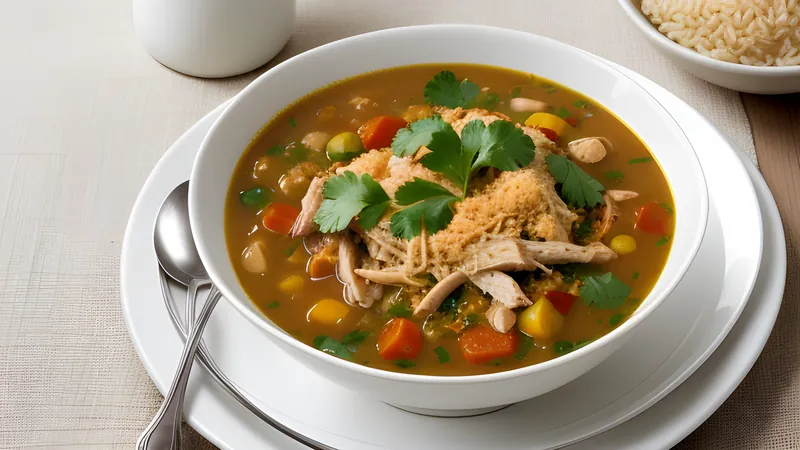
- Serve each bowl with a spoonful of hot basmati rice in the middle and a scatter of coriander.
Pepper water becomes a proper soup
The southern Indian dishes that inspired it - rasam, and the tamarind-and-pepper broths of Tamil kitchens - are thin, hot and sour, drunk almost like a digestive or spooned over rice. They contain no lentils in the thickening sense and often no meat at all. When British cooks asked their Indian cooks for a “soup”, the result had to fill the soup course of a Western meal, so it grew a body: lentils for thickness, meat for substance, sometimes rice stirred right in.
By the late nineteenth century mulligatawny had settled into cookbooks on both sides as a curried chicken-and-lentil soup, often with apple, and it stayed on British menus long after the Raj ended. It became a staple of railway dining cars, gentlemen’s clubs and, later, tins on supermarket shelves - which is where most Britons first met it, and where it picked up its reputation as something brown and vaguely spiced. Made from scratch it is far better than that reputation suggests.
Why the apple belongs there
The grated apple is the small twist that makes this version sing, and it has genuine historical warrant - Victorian recipes routinely called for it, using the sweet-tart fruit to balance the spice the way a mango chutney does alongside a curry. Stirred in near the end and simmered just long enough to soften, it dissolves almost completely into the soup and leaves behind a rounded sweetness and a whisper of acidity that keeps the whole bowl from tasting heavy.
A tart eating apple gives you both sugar and sharpness; a Bramley collapses to a purée and leans more sour, which I actually prefer, since the coconut milk and lentils bring plenty of their own sweetness. Grate it rather than dice it so it melts in rather than floating as chunks. Adding it late is deliberate - cook an apple for forty minutes and it turns to flavourless mush, whereas five minutes softens it while keeping its character.
Building the spice base
Everything good in this soup comes from the first ten minutes. Soften the onion, carrot and celery properly - this is the same mirepoix a French cook would build a soup on, and taking it to a light gold rather than snatching it off pale develops a sweetness that underpins everything. Then the garlic and ginger, then the spices.
Toasting the ground spices in the fat for a minute before any liquid goes in is the step people skip and then wonder why their soup tastes dusty and raw. Ground spices are full of aromatic oils that only release properly when they meet hot fat; drop them straight into stock and they stay muted and slightly gritty. You are looking for the moment the kitchen fills with the smell of the spice and the paste at the bottom of the pan darkens a shade - sixty to ninety seconds, stirring constantly so nothing catches and turns bitter. Use a curry powder you actually like the smell of, because it sets the whole tone; a good Madras blend gives warmth without brute heat.
Red lentils do the thickening
Red split lentils are the workhorse here. They cook fast, need no soaking, and collapse completely into a soft purée that thickens the soup with no flour or cream required. Rinse them first to wash off the dusty starch, and watch that the soup does not catch on the base once they start breaking down - a lentil soup left unstirred over too high a heat will scorch and taint the whole pot with a burnt note that no amount of seasoning fixes. A gentle simmer, partially covered, is right.
Chicken thighs on the bone give better flavour and stay juicier than breast through a long simmer, and the bone lends the soup a little extra body. Cook them right in the soup so all their flavour stays in the pot, then shred the meat back in. If you want a vegetarian version, drop the chicken, use vegetable stock, and bump the lentils up to 250 g for the body the meat would have given.
Smooth or rustic, and the coconut finish
Whether you blitz the soup is a matter of taste. A stick blender turns it velvety and elegant, which suits a starter; left rustic, with the vegetables still in evidence, it eats more like a meal. I usually blitz about half and leave the rest for texture. Either way the chicken goes back in after blending so you keep proper shreds of meat rather than pulverising them.
The coconut milk goes in last and gets only warmed through, never boiled, since a hard boil can split it and dull its fresh flavour. It rounds off the spice and adds a gentle richness that the Victorian versions got from cream. The lemon at the end is essential - a squeeze of acid pulls the whole soup into focus and echoes the tamarind sourness of the original pepper water it descends from. Taste, and add more salt and lemon until it tastes bright rather than flat.
Serving, storage and make-ahead
A spoonful of plain basmati in the centre of each bowl is traditional and turns the soup into a light meal - rice was often cooked straight into mulligatawny, but keeping it separate stops it swelling and going gluey if you have leftovers. Scatter coriander over the top and add a wedge of lemon at the table.
This is a soup that improves overnight, once the spices have had time to marry, which makes it excellent for making ahead. It keeps in the fridge for four days and freezes well for three months, provided you leave the coconut milk out until reheating - freeze the base, then stir in fresh coconut milk and lemon when you warm it through. Reheat gently and loosen with a splash of stock if it has thickened, since the lentils keep drinking up liquid as they sit.
For another dish born from the same Anglo-Indian kitchens, where curry powder meets a very British format, try Kedgeree with Smoked Haddock and Curried Butter. And if the sweet-and-curried combination appeals, Coronation Chicken, Reconsidered plays the same fruit-and-spice game in cold form.
Related Content