Miso Black Cod (Saikyō-Yaki)
Silky, caramelised cod from a three-day marinade
Contents
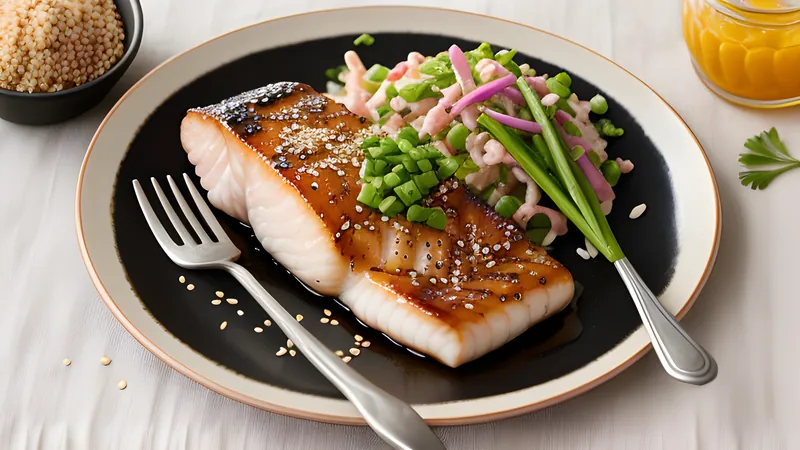
↓ Jump to recipeMiso black cod is the dish that made a generation of diners think Japanese food was expensive. It became famous through Nobu Matsuhisa’s restaurants, where a single fillet commands the price of a whole supermarket shop, and it earned every penny of the mystique. What almost nobody mentions is that it is one of the easiest special-occasion dishes you can make at home, because the marinade does all the work while you get on with your life for three days.
The technique is ancient and the fish is sublime, but the marinade is where I make my one small change. Traditional saikyo-yaki uses only sweet white Kyoto miso, which is delicate and blond and honeyed. I keep that as the base and stir in a single spoonful of red miso. It is a small amount, but it deepens the sweetness with a savoury, almost fermented bass note, so the finished glaze tastes less like candy and more like something that has been aged. The caramelised top gets a fraction darker and the flavour gains a shadow.
Miso Black Cod (Saikyō-Yaki)
Ingredients
- 4 black cod (sablefish) fillets, about 150g each, skin on
- 150g white (shiro) miso
- 1 tbsp red (aka) miso
- 4 tbsp mirin
- 4 tbsp sake
- 3 tbsp caster sugar
- 2 spring onions, thinly sliced, to serve
- 1 tsp toasted sesame seeds, to serve
- pickled ginger, to serve (optional)
Method
- Bring the sake and mirin to a simmer in a small pan for 20 seconds to burn off the alcohol, then whisk in both misos and the sugar until smooth. Cool completely.
- Pat the cod dry. Coat each fillet all over in the cooled marinade, place in a container, cover and refrigerate for 2-3 days (a minimum of 24 hours).
- Wipe most of the marinade off the fillets, leaving a thin film. Heat the grill to high.
- Grill the cod skin-side down for 3 minutes, then flesh-side up for 5-6 minutes, watching closely, until deeply caramelised and blistered in patches.
- If the top has not caramelised, finish under a hotter grill or with a blowtorch for 30-60 seconds.
- Rest for 2 minutes. Scatter with spring onion and sesame seeds and serve with pickled ginger.
The dish behind the legend
Saikyo-yaki means “grilled in saikyo miso”, referring to the pale, sweet white miso of Kyoto, historically called Saikyo, the western capital. The method predates refrigeration and existed for a practical reason: burying fish in salty, sugary miso paste preserves it, because the salt draws out moisture and the sugar and fermentation hold spoilage at bay. Fishermen and inland households used it to keep a catch edible for days, and in doing so discovered that the miso transformed the fish, seasoning it deep into the flesh and firming its texture.
Black cod, properly called sablefish, is not a cod at all. It is a deep-water fish from the North Pacific with an extraordinarily high oil content, which is why it stays silky and moist even after a fierce grilling that would dry any leaner fish to string. That fat also carries the miso beautifully. When Nobu paired the traditional Kyoto marinade with this luxurious fish and a restaurant grill, he created something that tasted at once ancient and brand new, and the world queued up for it.
Sourcing the fish
Real black cod is the ideal and worth ordering from a good fishmonger if you are marking an occasion. It is expensive, though a little goes a long way because the fish is so rich. If you cannot find it or cannot justify it, the marinade works wonderfully on other oily or firm fish. Salmon is the obvious stand-in and takes a shorter marinade of a day. Halibut, sea bass, and even thick cod fillets all take the glaze well, though leaner fish will not have quite the same melting texture, so watch the grill more carefully to avoid drying them.
Whatever fish you use, buy it skin-on. The skin protects the flesh from the direct heat and crisps into something delicious, and it gives you a surface to grill first while the flesh side caramelises second.
The marinade and the wait
Start by burning off the alcohol in the sake and mirin. Bring them to a brief simmer in a small pan, let them bubble for twenty seconds, then whisk in both misos and the sugar until you have a smooth, glossy paste. Let it cool completely before it touches the fish, because warm marinade begins to cook the surface and you want the salt and sugar to work slowly and evenly.
Pat the fillets dry, coat them all over in the marinade, and pack them into a container. Now the hard part, which is waiting. Twenty-four hours is the minimum for the miso to penetrate; two to three days is where the magic happens, the flesh turning dense and translucent and the flavour reaching the centre. The fish will look slightly cured and feel firmer to the touch. This is exactly right.
Grilling without burning
Here is the thing nobody warns you about: the sugar in the marinade wants to burn. That is a feature, because those blackened, blistered patches are the whole point, but it means you cannot walk away from the grill. Wipe most of the marinade off the fillets first, leaving only a thin film, or the excess paste will scorch to bitterness before the caramelisation you actually want develops.
Grill the fish skin-side down first for about three minutes to set and crisp the skin, then turn it flesh-side up under a high grill for five to six minutes. Watch it like a hawk in the last two minutes. You are looking for a deep amber glaze with dark, blistered spots, the sugars caramelising into the famous lacquered top. If the fillet is cooked through but the top is still pale, push it closer to the element or pass a blowtorch over it for half a minute. Rest the fish for a couple of minutes before serving, so the flake settles.
What can go wrong
A bitter, acrid top means either you left too much marinade on or the grill was too far from the fish, so the sugars burnt before they caramelised. Wipe more off and grill hotter and closer next time. Dry, stringy fish usually means a lean substitute cooked as long as fatty black cod would need; drop the time by a minute or two for salmon or halibut. And if the flavour seems flat despite the wait, your miso was probably a very mild, factory-sweet brand, which is exactly what the spoon of red miso is there to fix.
Serving and sitting it in a meal
Keep the accompaniments quiet, because the fish is the event. Plain steamed short-grain rice, a bowl of miso soup, and a little pile of pickled ginger or a few pieces of pickled cucumber are all it asks for. A traditional garnish is hajikami, pickled ginger shoots, but ordinary pink pickled ginger does the same refreshing job. Steamed greens dressed with a drop of sesame oil round out the plate.
This makes a beautiful centrepiece for a Japanese dinner. Start with something clean and cold like zaru soba with a cold dipping sauce on a warm evening, and if you want a second, warmer plate to bracket the cod, the crisp comfort of tonkatsu with shredded cabbage and Bulldog sauce covers a hungrier table without competing for the same flavours.
Make-ahead and storage
This is the ultimate make-ahead dish, because the marinating time is the recipe itself, never a chore. Set the fish in its miso on a Wednesday and it is ready to grill on Friday or Saturday, which makes it superb for entertaining; the only last-minute work is ten minutes at the grill. The marinade can be made a week ahead and kept in the fridge.
Used marinade should never touch raw fish again, though you can stir a spoonful of the leftover paste into a bowl of soup or a dressing rather than throw it away. Cooked black cod keeps for a day in the fridge and is lovely cold, flaked over rice for lunch, though the caramelised top is at its best straight from the grill while it still gleams.
A note on miso, and why the wait works
It helps to understand what the marinade is actually doing, because it changes how you treat the fish. Miso is a living paste of fermented soybeans and, usually, rice, packed with salt and enzymes. Over the days in the fridge, the salt draws moisture from the surface of the cod and, through osmosis, the sweet, savoury miso seasoning migrates inward, firming the flesh into that characteristic dense, translucent flake. This is a gentle cure as much as a marinade, which is why the fish keeps its shape on the grill and never falls apart the way a raw fillet might.
Buy the best white miso you can find; the difference between a mellow, artisanal shiro miso and a harsh supermarket one is the difference between a lacquered glaze and a salty smear. Keep the tub tightly sealed in the fridge, where a good miso lasts for months and quietly earns its place, because once you have made this dish you will want to make it again, and again, for every occasion that deserves something that looks like effort and costs you almost none.
Related Content