Mì Xào Giòn: Vietnamese Crispy Egg Noodles
A raft of shattering noodles under a glossy stir-fry
Contents
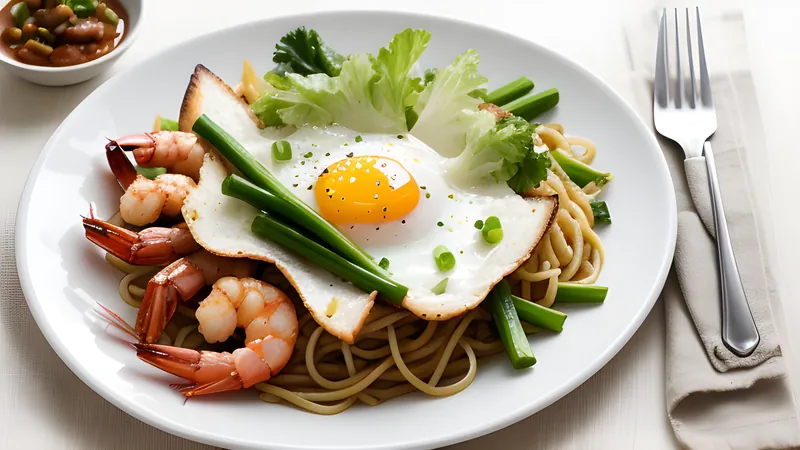
↓ Jump to recipeThere is a particular sound a good plate of mì xào giòn makes when your chopsticks first press down: a dry, splintering crackle, like standing on frozen leaves. That sound is the whole point. This is the Vietnamese cousin of Cantonese crispy chow mein, a fried noodle raft flooded with a glossy stir-fry, and it lives or dies on the tension between the shattering base and the silky gravy soaking up from below. Get that contrast right and every mouthful gives you three textures at once.
I first ate it at a tin-roofed quán in Saigon’s District 5, where the cook fried the noodle nests to order and stacked them like gramophone records by the wok. The gravy came separately, in a battered aluminium jug, so you controlled the soak yourself. That detail changed how I cook it at home. The noodles and the sauce want to meet at the table, in the last possible moment.
Mì Xào Giòn: Vietnamese Crispy Egg Noodles
Ingredients
- 150g thin fresh egg noodles (or 100g dried egg noodles)
- 150g pork loin or shoulder, sliced thinly across the grain
- 8 raw prawns, peeled and deveined
- 1 head choy sum or pak choi, cut into 5cm lengths
- 6 fresh shiitake or 8 white mushrooms, sliced
- 1 small carrot, sliced on the diagonal
- 3 garlic cloves, finely chopped
- 1 thumb ginger, julienned
- 3 spring onions, cut into 3cm batons
- 600ml neutral oil, for deep-frying
- 1 tbsp neutral oil, for the stir-fry
- 500ml chicken stock
- 2 tbsp oyster sauce
- 1 tbsp light soy sauce
- 2 tsp caster sugar
- 1 tbsp cornflour mixed with 3 tbsp cold water
- 1 tsp toasted sesame oil
- White pepper, to finish
Method
- If using dried noodles, boil for 3 minutes, drain, rinse and dry thoroughly on a tea towel. Fresh noodles need only to be loosened and patted dry.
- Heat 600ml oil to 180C. Lower a loose nest of noodles in with a spider, press flat, and fry 2 to 3 minutes a side until deep gold and rigid. Drain upright on a rack. Repeat for the second nest.
- Make the oyster-caramel: in a dry pan, melt 2 tsp of the sugar to a light amber caramel, then take off the heat and stir in the oyster sauce and soy. It will hiss and thicken to a glaze.
- Heat 1 tbsp oil in a wok until smoking. Sear the pork 1 minute, add prawns and cook 1 minute more until just pink, then lift everything out.
- In the same wok, fry garlic and ginger 20 seconds, add carrot and mushrooms 2 minutes, then the choy sum stems.
- Pour in the stock and the oyster-caramel, bring to a hard boil, then return the pork and prawns with the choy sum leaves.
- Stir the cornflour slurry and add in stages until the gravy coats a spoon. Finish with sesame oil, spring onions and a good hit of white pepper.
- Set a crisp noodle raft on each plate and ladle the stir-fry over so the edges stay crunchy and the centre softens. Serve at once.
Where the dish comes from
Mì xào giòn belongs to the deep Chinese-Vietnamese kitchen that grew up around Chợ Lớn, the sprawling Chinatown that has anchored Ho Chi Minh City’s western districts since the eighteenth century. Cantonese and Teochew migrants brought their wok technique, their egg noodles and their love of a starch-thickened gravy; Vietnamese cooks folded in their own herbs, their fish sauce and a lighter hand with the oil. The result reads as Cantonese in structure and Vietnamese in seasoning, and you find it under slightly different names all along the old trade routes of Southeast Asia.
The word giòn simply means crisp, and it separates this dish from mì xào mềm, the soft version where the same noodles are tossed straight through the sauce. Families tend to have a firm allegiance to one or the other. My own vote goes to giòn every time, because that first crackle is a genuine piece of theatre you can pull off in a domestic kitchen with nothing more exotic than a deep pan and a thermometer.
If you enjoy this style of high-heat wok cooking, it sits close to Char Kway Teow with Prawn and Chinese Sausage and the smoky Beef Chow Fun with Charred Rice Noodles, though both of those chase wok hei rather than crunch.
The crisp base, done properly
The single mistake that ruins mì xào giòn at home is wet noodles. Fresh egg noodles carry a lot of surface moisture, and dried ones hold water after boiling, so any droplet that hits 180C oil spits and steams and leaves you with a greasy, bendy pancake instead of a rigid disc. Dry them like you mean it. Spread them on a clean tea towel, blot the top, and give them ten minutes in the air before they go anywhere near the fryer.
Fry in loose nests roughly the size of a saucer. Lower each one on a spider, press it flat with the back of a ladle so the strands weld into a single raft, and hold your nerve: two to three minutes a side. Aim for deep gold the whole way through. Undercooked nests go soft the moment gravy touches them. Drain them standing up against the side of a rack so oil sheets off rather than pooling in the centre.
My clever twist: the oyster-caramel
Here is where I depart from the roadside version. Before the gravy comes together, I make a quick oyster-caramel by melting a little sugar to light amber and hissing the oyster and soy sauces straight into it off the heat. That dark sugar does two things. It deepens the colour of the finished gravy to a proper mahogany, and it adds a rounded, almost toasted sweetness that ordinary oyster sauce cannot reach on its own. It takes ninety seconds and it is the difference between a gravy that tastes assembled and one that tastes cooked.
Take the caramel to amber and no further. A bitter caramel will drag the whole dish down, and once oyster sauce goes in there is no rescuing it. The moment it smells like toffee and shows the colour of clear honey, kill the heat.
Building the stir-fry
Everything after the caramel moves fast, so have your bowls lined up. Sear the pork hard for a minute, add the prawns for one more, and pull both out while the prawns are barely pink; they will finish in the gravy and stay tender that way. The aromatics go into the same wok, then the firmer vegetables, then the stock and the caramel together. Bring it to a proper rolling boil before you thicken, because a slurry added to lukewarm liquid turns claggy and pasty.
Add the cornflour slurry in stages, stirring between each, until the gravy just coats the back of a spoon and leaves a clean line when you draw a finger through it. Too thin and it soaks the noodles to mush before you sit down; too thick and it sits on top like wallpaper paste. Finish with sesame oil off the heat and far more white pepper than feels sensible.
Tips, swaps and make-ahead
- Protein is flexible. Sliced chicken thigh, squid rings or firm tofu all work in place of pork and prawn. Keep the total weight around 300g so the gravy has enough to carry.
- Vegetables want a mix of firm and leafy. Baby corn, mangetout and water chestnut add extra crunch; use whatever needs eating, but keep the choy sum for its slight bitterness against the sweet gravy.
- Fry the nests ahead. They hold for a couple of hours at room temperature and re-crisp for five minutes in a 160C oven. This is what makes the dish realistic for people cooking after work.
- The gravy does not keep. Cornflour gravies break and weep on reheating, so make the sauce fresh even if the noodles are done in advance.
A note on the stock: use something with body. If your chicken stock is thin, a teaspoon of oyster sauce more and a knob of unseasoned reduced stock will give the gravy the glossy, lip-coating quality that separates the good version from the canteen one.
Serving
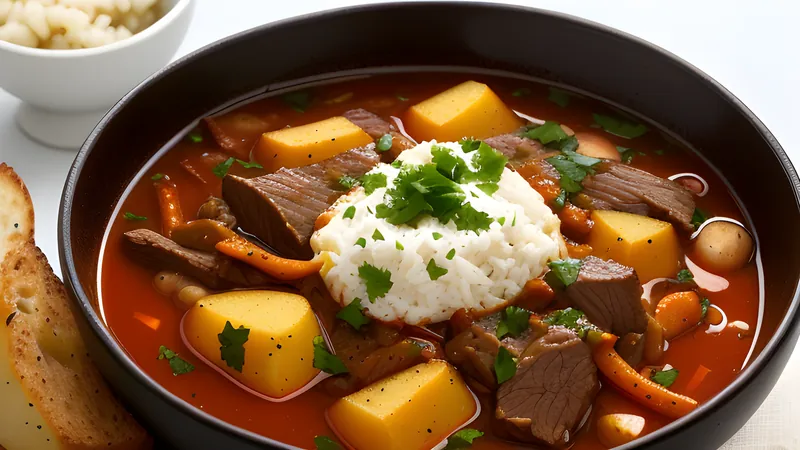
Set a crisp raft on each warmed plate and ladle the stir-fry over the middle, leaving the outer rim bare. As you eat, the centre softens into something almost noodle-soupy while the edges keep their snap, and you get to chase both across the plate. A wedge of lime and a small dish of sliced red chilli in fish sauce belong on the table. For a bigger spread, it sits happily alongside a bowl of Bò Kho: Vietnamese Beef and Lemongrass Stew for anyone who wants something spooned rather than crunched.
Eat it fast. Mì xào giòn is one of those dishes that rewards the impatient, and the cook who serves it the second the gravy hits the noodles is doing everyone a favour.
Related Content