Man'oushe with Za'atar and Olive Oil
The Levantine breakfast flatbread, baked blistered and slicked with a herb-and-oil paste
Contents
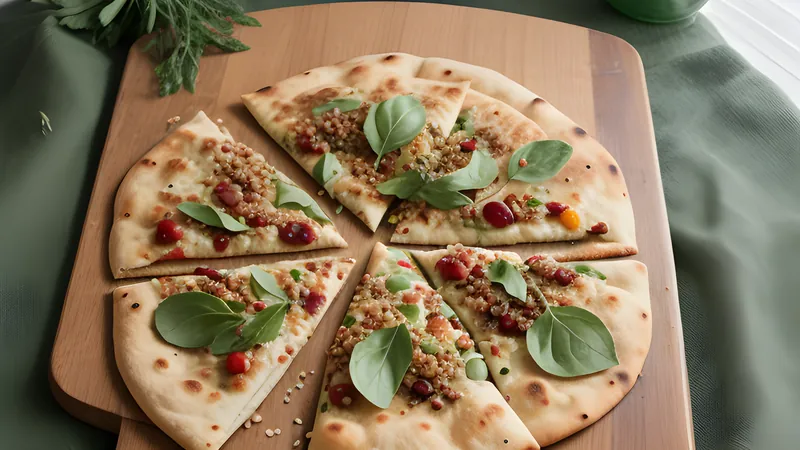
↓ Jump to recipeThere is a particular smell that hangs over a Beirut street in the morning: hot flour, warm olive oil and the resinous, lemony hit of za’atar catching at the edges of a flatbread. Man’oushe is the Levant’s answer to the question of what to eat before the day starts. It is a soft, chewy round of bread, spread with a loose paste of dried herb blend and olive oil, and baked until the base blisters and the topping turns fragrant and slightly crisp. You fold it, you walk, you eat. At home it is a twenty-minute bake that turns a bag of flour into something that tastes of a whole region.
Man'oushe with Za'atar and Olive Oil
Ingredients
- 450g strong white bread flour, plus extra for dusting
- 7g fast-action dried yeast (one sachet)
- 1.5 tsp fine salt
- 1 tsp caster sugar
- 300ml water, lukewarm
- 2 tbsp olive oil, plus more for the bowl
- 6 tbsp dried za'atar blend (herb, sumac, sesame, salt)
- 6 tbsp good extra-virgin olive oil, for the paste
- Flaky salt, to finish (optional)
Method
- Warm the water to blood temperature, stir in the yeast and sugar, and leave 5 minutes until foaming.
- Combine the flour and salt in a large bowl, pour in the foamy water and the 2 tbsp olive oil, and bring together into a shaggy mass. Knead for 8 to 10 minutes until smooth, elastic and a little tacky.
- Oil the bowl, turn the dough to coat, cover and prove somewhere warm for 1 to 1.5 hours until doubled, or slow-prove in a cool room or the fridge for more flavour.
- Make the paste by stirring 6 tbsp za'atar blend with 6 tbsp extra-virgin olive oil to a loose, spreadable slurry, loosening with more oil until it just pours off the spoon.
- About 20 to 30 minutes before baking, heat a baking stone, steel or heavy upturned tray in the top third of the oven at its highest setting, ideally 250C fan.
- Knock the dough back and divide into six. Roll or press each piece into a round about 20cm across and a few millimetres thick, and dimple all over with your fingertips.
- Spread a generous tablespoon of the za'atar paste over each round, leaving a thin margin at the edge.
- Bake each man'oushe on the hot stone for 6 to 10 minutes, until the edges are puffed and golden, the base is spotted brown and the za'atar has darkened and smells toasted. Finish with flaky salt if you like, and eat warm, folded in half.
What za’atar actually is
The word za’atar carries two meanings, and the confusion between them trips up a lot of first-time bakers. Za’atar is the name of a wild herb, a hardy Mediterranean plant in the oregano-thyme-marjoram family with a savoury, faintly minty bite. It is also the name of the spice blend built around that herb, which is what goes on the bread. The blend varies house to house and country to country, but the backbone is dried za’atar herb (or a thyme-oregano stand-in), ground sumac for tartness, toasted sesame seeds for nuttiness and salt to pull it together. Palestinian blends often lean heavily on sumac, giving a deep red cast and a sour tang. Lebanese versions tend to be greener and more herbal. Syrian mixes sometimes fold in caraway or coriander.
Sumac deserves a word of its own. It is the dried, ground berry of a Middle Eastern sumac shrub, and it delivers a clean, fruity sourness that behaves in cooking the way a squeeze of lemon does, without the liquid. It is what gives good za’atar that lip-smacking edge. If your blend tastes flat and dusty, it is almost always short on sumac or made with stale herb. Buy za’atar from a Middle Eastern grocer with quick turnover, or mix your own from fresh components, because this is a spice blend that dies slowly on a shelf and the topping is most of the flavour of the dish.
A bread with a saint’s day and a superstition
Man’oushe (plural manaeesh) takes its name from the Arabic root meaning “to engrave” or “to carve”, a reference to the dimples pressed into the dough with the fingertips before baking, the same divots that hold pools of oil. It belongs to the tradition of the neighbourhood furn, the communal wood-fired oven where families once brought their shaped dough to be baked, and where the baker would run off manaeesh for the morning trade.
Za’atar itself is threaded through Levantine domestic life. There is a widely repeated bit of folk wisdom across Lebanon, Syria, Palestine and Jordan that eating za’atar sharpens the mind, which is why generations of children were fed a za’atar man’oushe or a za’atar-and-oil-dipped piece of bread before school and before exams. Whether or not the thyme-family herbs do anything for concentration, the association is real and affectionate, and it tells you how deep this humble bread runs in daily memory. It is breakfast, it is a snack, it is the thing an aunt makes when you visit, and it is sold from bakeries and street carts across the region from dawn.
Making the dough
This is a lean dough, close to a pizza base, and it wants the same things: a good knead, a proper prove and confidence with a wet mix. Warm your water to blood temperature, no hotter, then stir in the yeast and sugar and leave it five minutes until it foams. If nothing bubbles up, the yeast has died and it is worth starting over rather than baking bricks.
Combine the flour and salt in a large bowl, keeping the salt away from direct contact with the yeast at first, since concentrated salt can knock the yeast back. Pour in the foamy water and the two tablespoons of olive oil, and bring it together into a shaggy mass. Knead for a solid eight to ten minutes, by hand or with a dough hook, until the dough turns smooth, elastic and a little tacky. A well-developed dough will stretch thin enough to see light through without tearing straight away, which is the sign the gluten is ready to hold those thin, blistered rounds.
Oil the bowl, turn the dough to coat, cover and leave somewhere warm for an hour to ninety minutes until doubled. If you have time, a slower prove in a cool room, or overnight in the fridge, builds better flavour and a more open crumb. The dough logic here is the same wet-and-patient approach that gives ciabatta its holes, scaled down and enriched with a little oil.
The paste, and why it is loose
Do not spread dry za’atar on the dough. It scorches, tastes bitter and falls off in the first bite. The topping is a paste: equal-ish parts za’atar blend and good olive oil, stirred to a spreadable, loose slurry the texture of wet sand. The oil protects the herb from the fierce heat, carries the flavour into the dough and fries the sesame gently as it bakes. Use a fruity, peppery extra-virgin oil here, because it is a headline ingredient and a tired supermarket oil shows. Mix six tablespoons of za’atar with six of oil to start, and loosen with more oil if it looks pasty; you want it to just about pour off the spoon.
Shaping and the bakery-blister trick
Knock the dough back and divide it into six. Roll or press each piece into a round about 20cm across and a few millimetres thick. Dimple the surface all over with your fingertips, which stops it puffing into a balloon and gives the oil somewhere to sit. Spread a generous tablespoon of the za’atar paste over each round, leaving a thin margin at the edge for a handle.
The single biggest difference between a home man’oushe and a bakery one is heat from below. The traditional furn oven bakes on hot stone at a temperature no domestic oven quite reaches, so you cheat with thermal mass. Slide a baking stone, a pizza steel or a heavy upturned tray onto the top third of your oven and heat it at the highest setting, ideally 250C fan, for a full twenty to thirty minutes before you bake. That stored heat hits the base of the dough on contact and gives you the blistered, spotted underside that defines the bread. Bake each man’oushe for six to ten minutes until the edges are puffed and golden, the base is spotted brown and the za’atar has darkened a shade and smells toasted. Watch it, because the line between fragrant and burnt is short.
A finish of flaky salt is optional and, to my mind, welcome. Eat them warm, folded in half, ideally within a few minutes of the oven.
Fixing what goes wrong
If your bread comes out pale and tough, the oven or the stone was not hot enough; give the stone longer to heat and turn the oven up. If the za’atar tastes bitter, either the blend was old or the topping went on too thick and dry, so loosen the paste with more oil next time. If the dough springs back and won’t roll out, it is under-rested; cover it and walk away for ten minutes to let the gluten relax, then try again. A dough that tears into holes when you stretch it needs a longer knead in the first place.
Beyond za’atar: the topping repertoire
Za’atar is the classic, and the one to master first, but the man’oushe is a canvas the whole Levant paints on. The other great topping is cheese: a soft, salty, stretchy blend, usually akkawi soaked to draw out its brine, sometimes with a little mozzarella for pull, spread and baked until it bubbles. There is a red version with spiced minced lamb and tomato, sometimes called lahm bi ajeen or sfiha depending on where you stand. A popular street move is to bake a za’atar man’oushe, then fill it at the counter with sliced tomato, cucumber, olives and mint and roll it into a wrap. For a summer plate, I would serve the warm bread alongside a halloumi, watermelon and za’atar salad, letting the same herb blend echo across both.
Make-ahead and storage
The dough is the make-ahead friend. Take it through the first prove, knock it back, then refrigerate it in an oiled, covered bowl for up to two days; the cold ferment deepens the flavour and the dough shapes more cleanly straight from the fridge. Let it come back to cool room temperature before rolling. Baked manaeesh are best the day they are made, but they revive well: a couple of minutes in a hot dry pan brings back the base crisp far better than a microwave, which steams them soft.
Man’oushe rewards a little practice with the stone and the paste, and after one batch you stop measuring the oil and start eyeballing it, the way the furn bakers do. It pairs naturally with a spread of small dishes to tear and dip through, so I often set it out beside a sharp, parsley-heavy tabbouleh and let breakfast slide happily into lunch.
Related Content