Lemon and Poppy Seed Drizzle Loaf with Yoghurt Glaze
A bright, crunchy-topped loaf with a tangy yoghurt finish
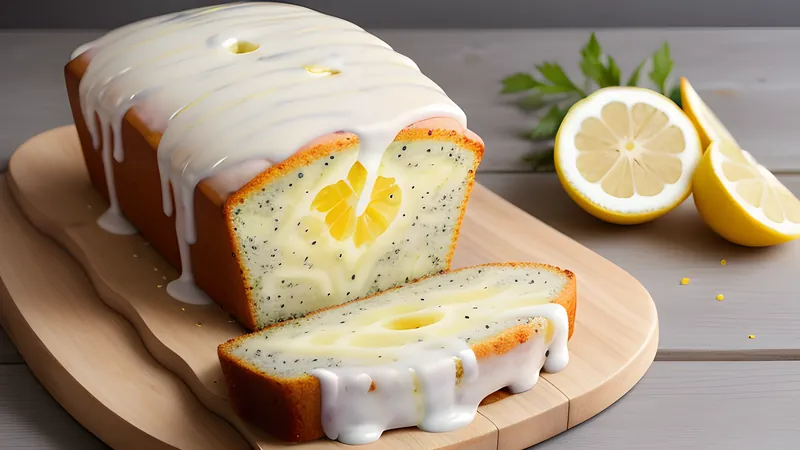
Lemon and Poppy Seed Drizzle Loaf with Yoghurt Glaze
Ingredients
- 175g (¾ cup) unsalted butter, softened
- 175g (¾ cup plus 2 tbsp) caster sugar
- 3 large eggs
- 175g (1⅓ cups) self-raising flour
- ½ tsp baking powder
- ½ tsp fine sea salt
- Zest of 3 lemons
- 2 tbsp poppy seeds
- 3 tbsp Greek yoghurt
- For the drizzle: juice of 1 lemon plus 50g (¼ cup) caster sugar
- For the glaze: 80g (⅔ cup) icing sugar, sifted
- 2 tbsp Greek yoghurt
- 1-2 tsp lemon juice
Method
- Heat the oven to 180C/160C fan/350F. Grease and line a 900g (2lb) loaf tin.
- Cream the butter and caster sugar until pale and fluffy.
- Beat in the eggs one at a time, adding a spoonful of flour if it threatens to curdle.
- Fold in the flour, baking powder, salt, lemon zest, poppy seeds and yoghurt.
- Spoon into the tin and bake 50-55 minutes until risen and a skewer comes out clean.
- Mix the drizzle sugar and lemon juice. Prick the warm loaf all over and spoon it on so it crackles.
- Once cold, whisk the glaze ingredients to a thick pourable cream and spoon over the top.
The lemon drizzle is the cake I judge a tearoom by. It’s simple to the point of being unforgiving — there’s nowhere to hide a dry crumb or a mean hand with the lemon — and when it’s good, it’s one of the great teatime cakes of the world. This is my version, with two small additions: poppy seeds for a faint nutty crunch, and a yoghurt glaze on top that takes the whole thing somewhere a little more interesting than the standard lemon-and-icing-sugar finish.
1 A very British obsession
The lemon drizzle as we know it is surprisingly modern. The technique that defines it — pouring a sugar-and-lemon-juice syrup over a still-warm sponge so it soaks in and sets to a crackly crust — really took hold in British home baking from the 1970s onwards, and it’s been quietly perfected in church halls and WI competitions ever since. It belongs to that family of “tin loaf” cakes that need no special equipment, no frosting skills, nothing but a bowl, a wooden spoon and a loaf tin. That accessibility is exactly why it became a national fixture.
The poppy seeds are an American import, really — the lemon-poppy seed muffin is a coffee-shop staple over there — but they marry beautifully with the British drizzle. They contribute almost no flavour of their own, just a faint, dark, nutty bitterness and, crucially, a delicate crunch speckled through the soft crumb. It’s a textural thing more than a taste thing, and the loaf is the better for it.
2 Zest is everything
Here’s the single most important thing about any lemon cake: the flavour lives in the zest, not the juice. The juice is acidic and watery and goes into the drizzle and glaze; the zest is where all those fragrant lemon oils are, and that’s what perfumes the actual sponge. Three lemons’ worth of zest in one modest loaf sounds like a lot. It isn’t. Rub the zest into the sugar with your fingertips before you start creaming — you’ll release the oils, the sugar will turn pale yellow and damp and smell incredible, and that aroma carries all the way through to the finished cake.
A spoonful of Greek yoghurt in the batter is my standard move for any loaf cake. It adds moisture, a gentle tang that supports the lemon, and it helps keep the cake fresh for days. This is not a fluffy, airy sponge — it’s meant to be close-textured and a little dense, the better to soak up the drizzle.
3 The twist: a yoghurt glaze, not a sugar one
Most drizzle loaves stop at the syrup soak, or get a thin watery lemon-icing dribble on top. I do both the soak and a glaze, but I make the glaze with Greek yoghurt instead of just water or lemon juice. The result is thicker, creamier and pleasingly tart — almost like a thin cheesecake topping — and that sourness is the thing that lifts the loaf out of the merely sweet. It sets to a soft, matte sheen rather than a hard sugary shell, and it makes each slice taste brighter without adding more sugar. It’s a five-second change that genuinely improves the cake.
Keep the two stages distinct. The lemon-sugar drizzle goes on while the loaf is hot, so it penetrates and crackles. The yoghurt glaze goes on only once the loaf is completely cold, or it’ll just slide off and melt into a mess. Patience between the two is the whole game.
4 Tips, and what to do with leftovers
Don’t skip pricking the warm cake before you pour on the drizzle — those little holes are what let the syrup sink in evenly rather than sitting in a puddle on top. And resist cutting it too soon; this loaf is genuinely better an hour or two after glazing, once everything has settled.
It keeps brilliantly, wrapped, for up to four days, and arguably improves on day two as the lemon deepens. Leftover slices, slightly stale, are wonderful very lightly toasted with a scrape of cold butter — the heat brings the lemon oils roaring back. For a variation, swap the poppy seeds for a tablespoon of crushed fennel seeds, or fold a handful of blueberries through the batter. But honestly, the plain lemon-and-poppy version, with that tangy yoghurt glaze, is the one I make on repeat all summer.
Related Content