Lemon and Elderflower Celebration Cake
The wedding-cake pairing, with a crème fraîche frosting
Contents
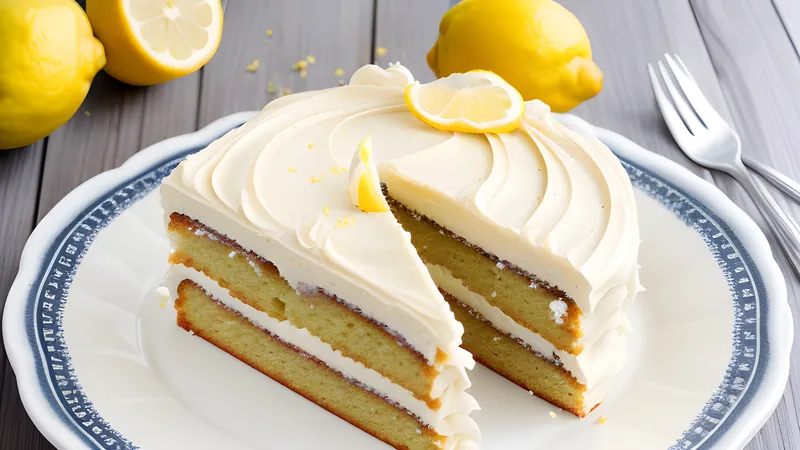
↓ Jump to recipeSome flavour pairings become fashionable and then quietly become permanent, and lemon and elderflower is one of them. It leapt from the fringes to the centre of British baking when it turned up as a royal wedding cake, and it has stayed there because it genuinely works: the sharp, clean citrus of lemon and the soft, musky, faintly grapey perfume of elderflower belong together, each lifting the other. This is my version as a proper three-layer celebration cake, soaked with cordial and cloaked in a tangy crème fraîche frosting that stops the whole thing tipping into sweetness.
The taste of an English June
Elderflower is one of the few genuinely wild flavours still in common use. The frothy cream-coloured blossom of the elder tree appears in British hedgerows for a few short weeks around midsummer, and its heady, honeyed scent has been captured in cordials and “champagnes” for centuries; recipes for elderflower cordial appear in English household books going back to the seventeenth century. That fleeting, seasonal quality is a large part of its charm, and it is why the flavour reads as celebratory: it tastes of a specific, brief moment of the English year.
Lemon is the natural foil because elderflower on its own can be cloying, all perfume and honey with nothing to cut it. The acidity and bright oils of lemon zest give the cake a spine, keeping it fresh where elderflower alone would be heady. It is the same logic behind the sharp lemon icing on a sticky ginger cake, where the citrus is what keeps the sugar bearable. Use bottled elderflower cordial, which is reliable and available all year; you need the concentrated syrup rather than a fresh infusion to get enough flavour into a cake without watering down the batter.
Lemon and Elderflower Celebration Cake
Ingredients
- 300g unsalted butter, softened
- 300g caster sugar
- Finely grated zest of 3 lemons
- 5 large eggs
- 300g self-raising flour
- 1 tsp baking powder
- 0.25 tsp fine salt
- 3 tbsp elderflower cordial
- For the soak: 4 tbsp elderflower cordial mixed with the juice of 1 lemon
- For the frosting: 250g unsalted butter, softened
- 400g icing sugar, sifted
- 150g crème fraîche, cold
- 3 tbsp elderflower cordial
- Finely grated zest of 1 lemon
Method
- Heat the oven to 160C fan. Butter and line three 20cm sandwich tins.
- Beat the butter, sugar and lemon zest until pale and fluffy, about 5 minutes.
- Beat in the eggs one at a time, adding a spoon of flour if it curdles.
- Fold in the flour, baking powder and salt, then the 3 tbsp cordial.
- Divide between the tins and bake for 25 to 28 minutes, until a skewer comes out clean.
- While warm, prick the sponges and brush over the elderflower and lemon soak. Cool in the tins for 10 minutes, then turn out.
- For the frosting, beat the butter for 5 minutes until pale, beat in the icing sugar a third at a time, then the cold crème fraîche, cordial and lemon zest until smooth.
- Stack the sponges with frosting between each, then coat the top and sides. Chill 30 minutes to set.
The soak is what makes it celebratory
An ordinary lemon sponge is pleasant. A soaked one is memorable, and the difference is a single extra step. Brushing a cordial-and-lemon syrup over the sponges while they are still warm lets the liquid sink deep into the open, hot crumb, so the flavour goes right through each layer rather than sitting on the surface. Warm sponge is porous and thirsty; the same syrup brushed onto a cold cake mostly beads on top. The soak also insures the cake against dryness, which matters in a tall celebration cake that has to sit assembled for a few hours before it is cut. Prick the sponges first so the syrup has a way in, and brush it on in stages, letting each coat soak before adding more.
Why crème fraîche in the frosting
A wedding-style cake usually gets a plain vanilla buttercream, which looks the part but is very sweet, and a lot of it. My change is to fold cold crème fraîche into the buttercream, which brings a clean, slightly sour dairy tang that cuts straight through the sugar. Crème fraîche is soured cream with a gentle acidity and a high enough fat content to hold up in a frosting without splitting, so it lightens and freshens the buttercream while keeping it stable enough to coat a tall cake. The result tastes more like the cream you would serve alongside a summer pudding than a stiff sugar icing, which suits the fresh, seasonal flavours. Add it cold and beat only until smooth, since crème fraîche, like cream cheese, can slacken if you overwork it.
Building a level cake
A three-layer cake lives or dies on even sponges, and there are two habits that guarantee them. Weigh the batter into the tins rather than eyeballing it: divide the total weight by three and spoon each tin to within a few grams, which keeps the layers matched. And bake all three tins on the same shelf if your oven allows, or swap them halfway through, since ovens run hotter at the back and top. A cake that bakes level needs no trimming, which means you keep every scrap of that soaked crumb rather than shaving the domes off into the bin. If a layer does dome, press it gently flat with a clean tea towel while it is still warm.
Storage and making ahead
The soaked sponges can be baked a day ahead, cooled and wrapped well; the soak keeps them moist and they travel better once rested. The frosting can be made a day ahead and kept in the fridge, then beaten briefly to loosen. Assembled, the cake keeps for three or four days somewhere cool, and the soak means it stays moist for longer than a plain sponge would. Because the frosting contains crème fraîche, keep the cake refrigerated in warm weather and bring slices to room temperature before serving so the crumb softens and the elderflower aroma opens up. The unsoaked, unfilled sponges freeze well for up to three months.
Decoration and variations
For a wedding-cake look, keep the finish simple: a smooth coat of frosting and a scatter of fresh, unsprayed elderflowers if they are in season, or a few edible flowers and a twist of lemon zest if they are not. A ripple of lemon curd through the frosting layers adds sharpness and a pretty marbled edge when sliced. You can turn it into a two-tier affair for a real celebration by baking a second, smaller batch, and it takes happily to a splash of gin in the soak, playing on the classic elderflower cocktail. If you want a lighter pudding rather than a full celebration cake, bake it as a single layer, soak it well and serve slices with more crème fraîche and macerated berries, in the spirit of a pavlova but with a soft cake underneath.
Related Content