Laksa: Rich, Spicy, Coconut-Scented and Worth the Paste from Scratch
A bowl of Southeast Asian comfort from the ground up
Laksa: Rich, Spicy, Coconut-Scented and Worth the Paste from Scratch
Ingredients
- 4 dried red chillies, soaked in hot water
- 3 fresh red chillies, roughly chopped
- 4 shallots, peeled
- 4 garlic cloves
- 1 stalk lemongrass, tough outer layers removed, chopped
- 30g fresh ginger, peeled
- 20g fresh galangal (or extra ginger), peeled
- 1 tsp ground turmeric
- 2 tbsp dried shrimp (optional), soaked
- 1 tbsp shrimp paste (belacan)
- 8 macadamia or cashew nuts
- 3 tbsp vegetable oil
- 1 litre chicken or prawn stock
- 400ml coconut milk
- 1 tbsp fish sauce
- 1 tsp palm sugar or brown sugar
- 300g raw king prawns, peeled
- 200g firm tofu puffs or fried tofu, halved
- 400g fresh rice noodles or 200g dried
- 150g beansprouts
- 2 hard-boiled eggs, halved
- Fresh coriander, mint and lime wedges, to serve
Method
- Soak the dried chillies in just-boiled water for 15 minutes until soft, then drain.
- Blitz the soaked chillies, fresh chillies, shallots, garlic, lemongrass, ginger, galangal, turmeric, dried shrimp, shrimp paste and nuts into a smooth paste, adding a splash of water if needed.
- Heat the oil in a large pot and fry the paste over medium heat for 8 to 10 minutes, stirring often, until darkened and very fragrant.
- Pour in the stock and bring to a simmer, then add the coconut milk, fish sauce and sugar.
- Simmer gently for 10 minutes to let the flavours marry, tasting and adjusting the seasoning.
- Add the prawns and tofu puffs and cook for 3 to 4 minutes until the prawns are just pink and cooked through.
- Meanwhile, cook the noodles according to the packet, then divide between four deep bowls.
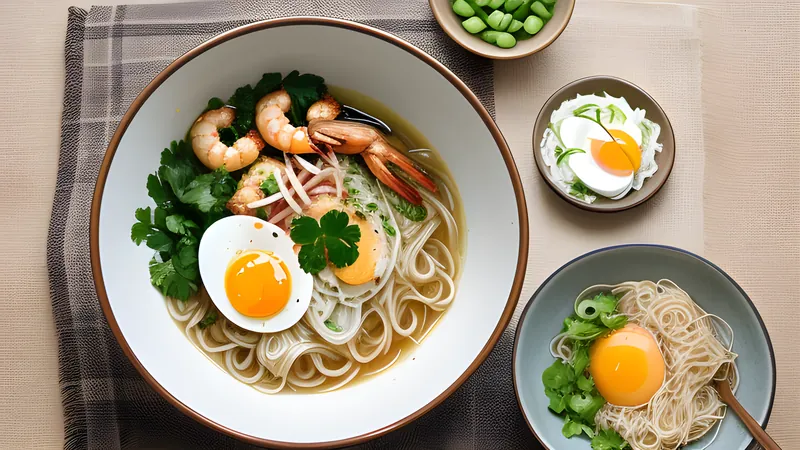
- Top the noodles with beansprouts, ladle over the hot laksa broth, prawns and tofu.
- Finish each bowl with half a boiled egg, plenty of coriander and mint, and a wedge of lime to squeeze over.
There are two kinds of weeknight cook: the one who reaches for a jar of laksa paste, and the one who, just once, makes the paste from scratch and is forever ruined for the jar. I am the second kind, and I am here to convert you. Yes, the spice paste — the rempah — asks for a list of ingredients and ten minutes of blitzing and frying. But what you get in return is a bowl of broth so fragrant, so layered and warming, that you will understand instantly why people queue at hawker stalls for it. Crisp prawns, slippery noodles, a soft egg, coconut-rich soup laced with chilli: this is comfort food with its sleeves rolled up.
1 A dish born of two cultures
Laksa is one of the great triumphs of Peranakan, or Nyonya, cuisine — the cooking that emerged when Chinese traders settled across the Malay Peninsula and married into local communities. It fuses Chinese noodles and techniques with Malay spices and that all-important fermented shrimp paste, belacan. The result is something neither wholly Chinese nor Malay, but gloriously its own.
There are countless regional versions, and arguments about which is “real” laksa can get heated. The curry laksa of Kuala Lumpur and the famous Katong laksa of Singapore lean on coconut milk for richness, while the assam laksa of Penang skips coconut entirely in favour of a sour, tamarind-and-mackerel broth that is a completely different beast. The recipe here is a curry laksa, the coconut-scented one most people fall in love with first. Whichever camp you are in, the soul of the dish is the same: a hand-pounded paste, fried until it sings, carrying the whole bowl.
2 How to make it
Everything good about laksa starts with the rempah. Soak the dried chillies to soften them, then blitz them with the fresh aromatics — shallot, garlic, lemongrass, ginger, galangal, turmeric — and the umami-bombs of shrimp paste and dried shrimp into a smooth paste. The crucial step is frying it: give it a good eight to ten minutes in hot oil, stirring, until it darkens and the raw, sharp edge cooks off. This is where the depth comes from, so do not rush it.
From there it is straightforward. Stock goes in to loosen the paste into a broth, then coconut milk for richness, fish sauce for salt and a little sugar to round it all off. A short simmer marries the flavours, the prawns and tofu poach in the broth, and meanwhile you cook your noodles. Assemble in deep bowls, ladle the hot broth over, and crown each with a soft-boiled egg and a fistful of herbs. The lime is not optional — that bright squeeze at the end lifts the whole bowl.
A word on building the bowl: keep the noodles and broth separate until the last moment. Noodles sitting in hot soup turn soft and bloated quickly, so cook them just to the right side of done and rinse them, then warm them through with the broth as you serve. The tofu puffs are worth seeking out from an Asian grocer too; their spongy texture drinks up the broth like little sponges of flavour and gives the bowl real heft alongside the prawns.
3 Tips and variations
Make a double batch of the paste; it keeps in the fridge for a week and freezes for months, so the next bowl is a fifteen-minute affair. If you cannot find galangal, extra ginger is a fair stand-in, and cashews substitute happily for the more traditional macadamias used to thicken the paste.
For a vegetarian version, leave out the shrimp paste and dried shrimp, swap the prawns for more tofu and some quartered mushrooms, and use vegetable stock with a little extra miso for savour. To make it more substantial, poached chicken or fish cakes are both classic additions. Go gently on the dried chillies first time around and add fresh chilli at the table — laksa should be warming and aromatic, not punishing.
A note on coconut milk: use the full-fat tinned sort, and shake it well, as the reduced versions split and taste thin in a broth like this. If you find your laksa has separated slightly with a layer of fragrant orange oil on top, do not panic — that gloss is a good sign, the chilli oil rising from the well-fried paste, and a quick stir brings it back together. Serve it the moment it is built, while the broth is piping hot and the herbs are still fresh and lively.
Related Content