Kleftiko: Greek Slow-Baked Lamb in Paper
Lamb, lemon and oregano sealed in a parcel and forgotten for hours
Contents
↓ Jump to recipeKleftiko is a dish with a getaway written into its name. It is cooked sealed — traditionally in a covered pit, now in paper and foil — so that no aroma escapes to give the cook away. The story goes that the klephts, the mountain bandits of Ottoman-occupied Greece, would steal a sheep or goat, bury it with hot coals in a lined pit, and seal the top with earth. Hours later they had tender, smoky meat and, crucially, no tell-tale plume of roasting-lamb smell drifting down the valley to the soldiers hunting them. The dish is named after them: kleftiko, “in the manner of the thief”.
Whether or not every detail of that tale holds up, the technique it describes is real and brilliant. Sealing the meat traps every bit of steam and fat, so the lamb effectively braises in its own juices and the lemon-and-oregano marinade, going from tough shoulder to fork-tender in a few unattended hours. It is one of the great set-and-forget dishes, and it hides its own cooking smell right up until you open the parcel at the table, when the whole thing announces itself at once.
Kleftiko: Greek Slow-Baked Lamb in Paper
Ingredients
- 1.2kg lamb shoulder, on the bone, cut into 4 large pieces
- 8 garlic cloves, halved
- 2 lemons (juice of both, plus 1 sliced)
- 4 tbsp olive oil
- 2 tbsp dried Greek oregano
- 2 tsp sea salt
- 1 tsp black pepper
- 2 bay leaves
- 500g waxy potatoes, cut into large chunks
- 1 red onion, cut into wedges
- 200g feta, in one slab
- 1 cinnamon stick
Method
- The day before, or at least 2 hours ahead, make small incisions in the lamb and push in half the garlic. Mix the lemon juice, olive oil, oregano, salt and pepper into a marinade and rub it all over. Cover and refrigerate.
- Heat the oven to 160C fan. Lay two large sheets of baking parchment in a deep roasting tin, crossed, with plenty of overhang, then a sheet of foil under them for strength.
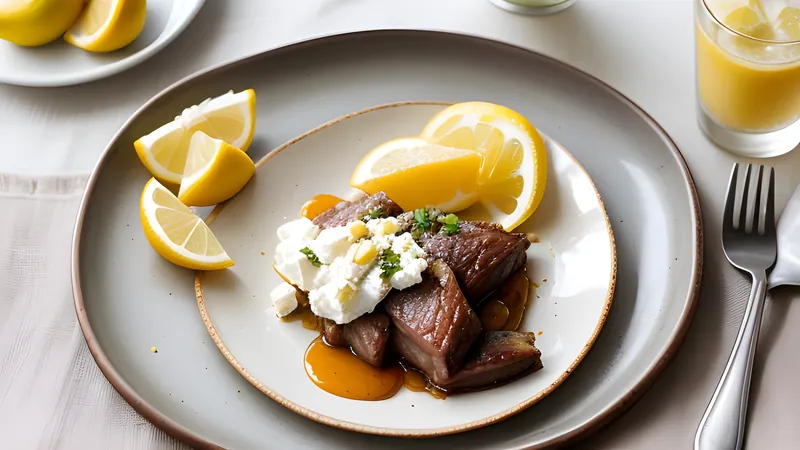
- Pile the potatoes, onion, remaining garlic, bay, cinnamon and lemon slices in the centre. Sit the marinaded lamb on top and pour over any marinade left in the bowl. Break the feta into a few pieces and tuck it among the meat.
- Bring the parchment up over the lamb and scrunch it into a tightly sealed parcel, then fold the foil up around it so no steam can escape. Add a splash of water to the tin around the parcel.
- Bake, sealed, for 3 hours. Then open the top of the parcel, turn the oven up to 190C fan, and bake uncovered for a further 25 to 30 minutes to colour the lamb and crisp the potato edges.
- Rest for 10 minutes in the open parcel, then serve straight from the paper with the lemony juices spooned over.
Why lamb shoulder, and why on the bone
Shoulder is the cut for this and I will die on that hill. It is a hard-working muscle laced with connective tissue and fat, which is exactly what you want for long, slow, moist cooking: the collagen melts to gelatine and bastes the meat from within, leaving it silky. Leg, being leaner, dries out over three hours no matter how well you seal it. Keep the shoulder on the bone if you can, because bone adds flavour and helps the meat hold its shape until it is ready to collapse.
Cutting the shoulder into four large pieces rather than leaving it whole is my one practical deviation from the pit tradition. It lets the marinade reach more surface, speeds the cooking a little, and makes serving easy — one generous piece each, falling apart under the spoon.
The marinade and my one clever twist
Lemon, garlic, olive oil and dried oregano are the non-negotiable base. Greek oregano, dried on the stalk, is far more pungent than the soft fresh stuff and stands up to hours in the oven; if you can buy it on the branch from a Greek or Cypriot shop, it is worth the trip.
My twist is a single cinnamon stick tucked in with the potatoes and, more unusually, a slab of feta sealed inside the parcel with the meat. The cinnamon is quietly traditional in some Greek meat cooking and adds a warm, resinous backnote that you cannot quite name but would miss if it were gone. The feta is the real surprise: over three hours it half-melts into the juices, turning them creamy and salty, so the sauce that pools in the bottom of the paper is richer and more savoury than lemon and oil alone could ever be. Spoon that over everything.
Marinate for at least two hours; overnight is better. The acid in the lemon begins to season and tenderise the surface of the meat, and the flavours have time to work into the incisions where you have pushed the garlic.
Building and sealing the parcel
The parcel is the whole method, so build it to hold. I use a double layer of baking parchment for the food to sit against, with foil underneath and folded up around the outside for strength and a proper seal — parchment alone can tear or leak, and foil directly against the acidic, lemony juices is best avoided. Crossed sheets with generous overhang let you gather everything up into a tight pouch at the top.
Potatoes and onion go on the bottom, where they sit in the collecting juices and turn meltingly soft; the lamb sits on top so its rendering fat drips down through them. A splash of water in the tin around the outside of the parcel keeps the base from scorching and generates a little extra steam. Scrunch the top tightly closed. You want a sealed environment, and the tighter the seal, the more the parcel does its bandit’s trick of holding in both moisture and smell.
The two-stage bake
Three hours sealed at a gentle 160C fan does the tenderising. Resist opening the parcel to check; every time you do, you lose steam and heat. Trust the time. The lamb is ready when it yields completely to a fork and the bone wobbles loose.
Then comes the part that lifts kleftiko from stewy to spectacular: open the top of the parcel, turn the oven up, and give it another twenty-five minutes uncovered. The exposed lamb takes on colour and a few crisp edges, the potatoes catch and brown at the tips, and the excess liquid concentrates. This second stage is the difference between good and memorable, so do not skip it in a rush to eat.
Paper, clay or a lidded pot
If you have a lidded clay pot or a good cast-iron casserole, you can build the dish inside it instead of paper and clamp the lid on for the sealed stage; the clay holds and radiates heat gently, which is the closest a home oven gets to the old buried pit. The parchment parcel stays my default because it seals absolutely, needs no special kit, and carries to the table looking exactly like what it is. Whichever vessel you choose, the rule is the same: shut tight for the long braise, then open up for the final blast of colour.
What to serve alongside
Kleftiko is close to a complete meal — meat, potatoes, sauce — so it needs very little. A sharp Greek salad of tomato, cucumber, red onion and olives cuts the richness, and I always want bread to mop the lemony, feta-flecked juices. If you are feeding a crowd and want another Greek plate on the table, souvlaki with tzatziki and charred pitta makes a fast, fresh counterpoint to the slow lamb, and stuffed peppers with rice, feta and herbs round out a proper spread. A cold glass of retsina or a robust red like Agiorgitiko is the drink.
Make-ahead, storage and troubleshooting
- Marinate ahead: the lamb genuinely benefits from a night in the marinade, so this is a dish to start the day before.
- Lamb still tough? It needed longer. Shoulder cannot be rushed; if it resists the fork, seal it back up and give it another half hour. Undercooked collagen is the usual culprit.
- Parcel leaked? Double-seal next time, foil on the outside, and do not overfill. A little leakage is fine as long as the top stays closed for the sealed stage.
- Too lemony? Different lemons vary wildly in sharpness; the melted feta and the potatoes usually balance it, but a pinch of sugar in the juices at the end will round it off.
- Leftovers are superb — shred the meat, warm it in its own juices, and pile it into pitta with tzatziki, or fold it through pasta.
The beauty of kleftiko is that it asks so little of you once it is sealed. You do twenty minutes of work, close the parcel, and walk away for the afternoon while your kitchen fills with nothing at all — the smell stays locked in, just as the klephts intended, until the moment you tear the paper open and it all comes rushing out.
Related Content