Jeera Aloo: Cumin-Fried Potatoes
Bloomed cumin, golden potatoes, and a squeeze of lime
Contents
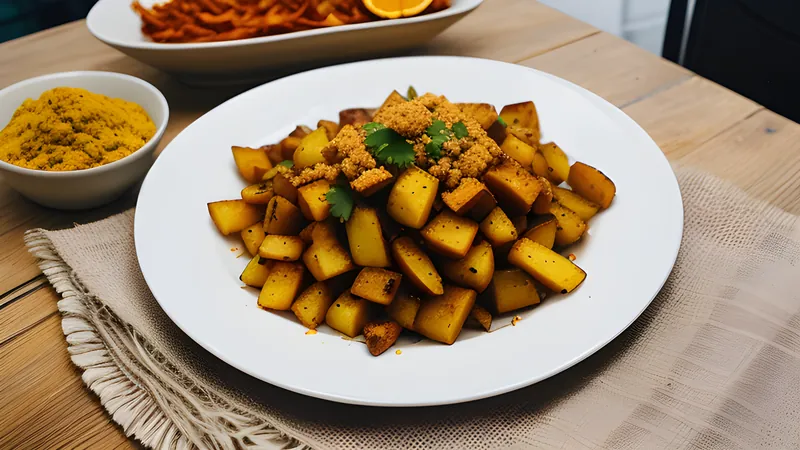
↓ Jump to recipeJeera aloo is the dish I make when the fridge is bare and the day has been long. Five core ingredients, one pan, twenty minutes of actual work, and yet it never tastes like a compromise. Jeera means cumin and aloo means potato, and the whole thing hangs on getting those two to talk to each other properly: cumin seeds bloomed in hot ghee until they are toasty and dark, then potatoes fried in that perfumed fat until their edges crackle. My small liberty is finishing with amchur, dried green-mango powder, which lands a sour note right at the end that keeps the richness honest and makes people ask what the mystery tang is.
It belongs to the everyday cooking of North India and Pakistan, the food of home kitchens rather than restaurants. You will find it alongside dal and rice, tucked into a lunchbox, or served at breakfast during fasting days when onion and garlic are set aside. It sits beautifully next to a bowl of dal makhani with butter and cream or scooped up with the hot fried bread from chole bhature.
Jeera Aloo: Cumin-Fried Potatoes
Ingredients
- 600g waxy potatoes (such as Charlotte or Maris Peer)
- 3 tbsp ghee or neutral oil
- 2 tsp whole cumin seeds
- 1 dried Kashmiri red chilli, broken (optional)
- 1 green finger chilli, finely chopped
- 1/2 tsp ground turmeric
- 1 tsp ground coriander
- 1 tsp amchur (dried mango powder), or 1 tbsp lime juice
- 1/2 tsp red chilli powder
- 1 tsp fine sea salt, plus more to taste
- Small handful fresh coriander, chopped
- 1 lime, cut into wedges, to serve
Method
- Peel the potatoes if you like, then cut into even 2.5cm chunks. Boil in well-salted water for 8 to 10 minutes until just tender to the tip of a knife but not falling apart. Drain and leave to steam-dry in the colander for 5 minutes.
- Heat the ghee in a wide, heavy frying pan over medium heat. Add the cumin seeds and broken dried chilli and let them sizzle for 20 to 30 seconds until the cumin darkens a shade and smells toasty and fragrant.
- Add the chopped green chilli and stir for 10 seconds. Off the heat briefly, stir in the turmeric, ground coriander and chilli powder so they bloom in the fat without burning.
- Return to medium heat, add the drained potatoes and 1 tsp salt, and toss to coat in the spiced fat. Spread out and fry, turning every couple of minutes, for 8 to 10 minutes until the edges are crisp and golden brown.
- Sprinkle over the amchur (or squeeze in the lime juice), toss well, and cook 1 minute more. Taste and adjust salt. Fold through the fresh coriander and serve hot with lime wedges.
A dish built on tempering
To understand jeera aloo you have to understand tadka, the technique of blooming whole spices in hot fat that underpins a huge amount of Indian cooking. When cumin seeds hit ghee at the right temperature, the heat drives their aromatic oils out of the seed and into the fat, where they can coat everything the fat touches. Cumin is especially transformed by this: raw, it is dusty and a little medicinal; toasted in fat, it turns warm, nutty and almost smoky. The whole flavour of the dish is decided in those first thirty seconds, which is why you watch the pan like a hawk and go by smell and colour rather than the clock.
Ghee is the traditional fat and it is worth using if you have it, because clarified butter has had its milk solids removed and can take the higher heat that tempering needs without burning. It also carries a faint toffee note that plain oil lacks. If you only have oil, a neutral one such as sunflower or groundnut is fine; avoid strong olive oil, which fights the spices.
Choosing and cooking the potato
The variety matters more than people expect. You want a waxy potato, something like Charlotte, Maris Peer or a firm salad potato, because waxy varieties hold their shape through boiling and then frying without collapsing into mash. A floury potato such as a Maris Piper is glorious for roasting but here it breaks up as you toss it, and you end up with a spiced hash instead of distinct golden cubes. That said, a slightly craggy edge is a good thing, so do not be too precious.
The single most useful trick is the steam-dry. After boiling the potatoes until just tender, tip them into a colander and leave them alone for five minutes. The surface moisture evaporates, leaving a faintly rough, dry exterior that crisps far better in the pan. Wet potatoes steam rather than fry and never take on colour. This is the same principle behind a good roast potato, and it is the difference between golden and grey.
Parboil in properly salted water, as salty as pasta water, so the potatoes are seasoned from within rather than relying on salt sitting on the outside. And cut them evenly, into chunks around two and a half centimetres, so they cook at the same rate.
Building the flavour
Once your potatoes are boiled and steam-dried, the actual cooking moves quickly, so have everything to hand. Heat the ghee until it shimmers, then add the cumin seeds and, if you like a gentle warmth, a broken dried Kashmiri chilli, which brings colour and mild fruitiness more than fierce heat. Let them sizzle for twenty to thirty seconds until the cumin darkens a shade and the kitchen fills with that toasted smell. Add the fresh green chilli for ten seconds.
Now comes the moment where dishes are lost. The ground spices, turmeric, coriander and chilli powder, burn in a heartbeat at frying temperature and turn bitter. Slide the pan off the heat for a few seconds, stir the ground spices into the hot fat so they bloom in the residual warmth, then bring it back to the flame and immediately add the potatoes. Toss so every piece is coated in the orange, fragrant fat, then spread them into a single layer and leave them be. The urge to stir constantly is the enemy of crispness; let each side sit against the hot pan for a couple of minutes before turning, and you will build proper golden faces on the cubes.
After eight to ten minutes you will have crisp edges and creamy centres. Sprinkle over the amchur, toss, and give it one more minute. If you have no amchur, a good squeeze of fresh lime at the end does a similar job, waking everything up with acidity. Taste for salt one final time, because potatoes are greedy for it, then fold through the fresh coriander off the heat so it stays bright.
Where it can go wrong
Three things trip people up. Burnt spices, from adding the ground powders to fat that is too hot; move the pan off the heat and you sidestep it entirely. Soggy potatoes, from skipping the steam-dry or crowding the pan so they braise in their own steam; use a wide pan and give them room. And blandness, almost always from underseasoning; potatoes need a confident hand with salt and a real hit of acid at the end to come alive.
If your potatoes broke up a little during boiling, do not despair. Lean into it, let the craggy bits crisp hard, and you have a rougher, more rustic version that is still delicious.
Variations and serving
Jeera aloo takes happily to additions. A teaspoon of grated ginger with the green chilli deepens it; a handful of peas thrown in for the last few minutes makes it a fuller vegetable dish, in the spirit of a good keema matar. A pinch of asafoetida with the cumin gives a savoury, almost oniony backbone, especially welcome if you are cooking without onion and garlic. For a South Indian accent, add a few curry leaves and a scatter of mustard seeds to the tempering.
Make it ahead and it holds better than most fried potato dishes because the parboiled centres keep their moisture. I sometimes boil and steam-dry the potatoes in the morning, leave them covered in the fridge, and do the frying stage just before we eat, which cuts the last-minute work to ten minutes. If you are cooking a spread, that timing trick is worth its weight, letting you turn out a hot, crisp side while the rest of the table is coming together.
One more thought on cumin, since it does all the heavy lifting here. Buy it whole and buy it often, because ground cumin loses its aromatic oils within a few months and the pre-ground stuff in the back of the cupboard is a shadow of fresh seed. Toasting whole seeds in fat, as you do here, gives you a depth that no amount of ready-ground powder can match, and once you have tasted the difference it is hard to go back. It reheats well in a hot pan, crisping up again nicely, though the coriander is best added fresh. Cold, the leftovers make an outstanding filling for a wrap or a toasted sandwich with a smear of chutney. Serve it hot, with lime wedges on the side and a bowl of cooling yoghurt, and let people squeeze and season to their own taste. It is proof that the plainest ingredients, treated with a little knowledge, can carry a whole meal.
Related Content