Japanese Milk Bread Rolls (Shokupan)
Cloud-soft rolls that pull apart in threads
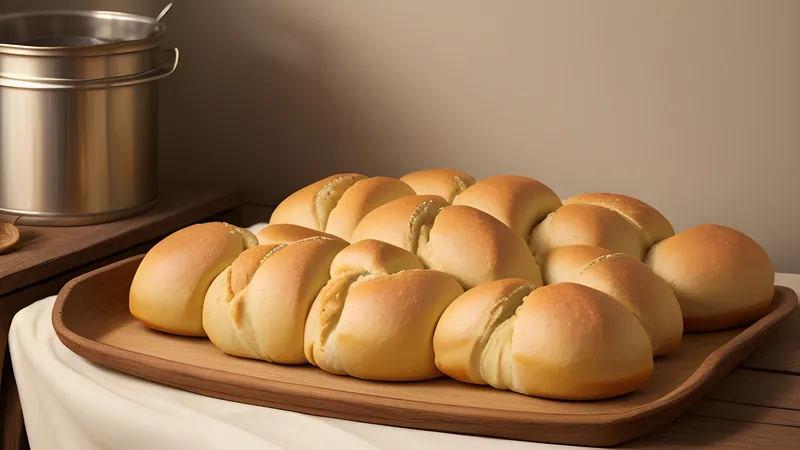
Japanese Milk Bread Rolls (Shokupan)
Ingredients
- For the tangzhong: 25g strong white bread flour
- For the tangzhong: 50ml water
- For the tangzhong: 75ml whole milk
- 350g strong white bread flour
- 5g instant dried yeast
- 40g caster sugar
- 6g fine salt
- 120ml whole milk, lukewarm
- 1 large egg, beaten
- 40g unsalted butter, softened
- 1 egg beaten with 1 tbsp milk, to glaze
Method
- Make the tangzhong: whisk the flour, water and milk in a small pan over a medium heat, stirring constantly, until it thickens to a smooth paste, about 3 minutes. Scrape into a bowl and cool to lukewarm.
- In a large bowl combine the bread flour, yeast, sugar and salt. Add the lukewarm milk, beaten egg and the cooled tangzhong.
- Mix to a rough dough, then knead for 8-10 minutes until smooth and elastic. Work in the softened butter a little at a time and knead 5 minutes more until silky and slightly tacky.
- Cover and leave to rise in a warm place until doubled, about 1 to 1.5 hours.
- Knock back gently and divide into 9 equal pieces. Roll each into a tight, smooth ball.
- Arrange the balls in a greased and lined 20cm square tin, three by three, leaving a little space between them.
- Cover and prove again until puffy and almost touching, 45-60 minutes. Heat the oven to 180C.
- Brush the tops gently with the egg wash and bake for 20-22 minutes until deep golden and risen.
- Cool in the tin for 10 minutes, then turn out onto a rack. Pull apart while still slightly warm.
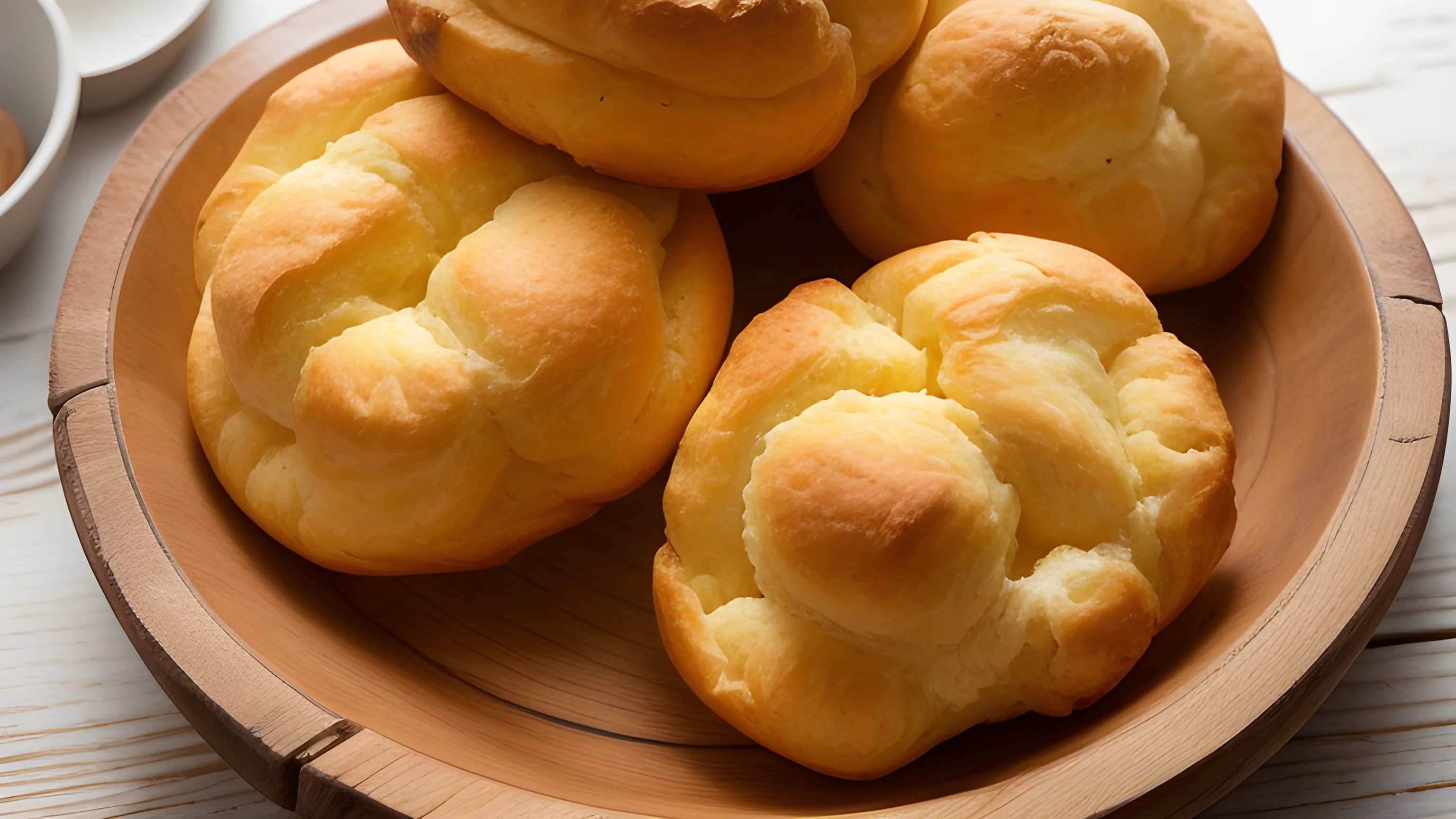
If you have ever bitten into a roll in a Japanese bakery and found yourself genuinely startled by how soft it was — feather-light, faintly sweet, pulling apart in fine silky threads rather than tearing — this is the recipe behind that sorcery. Shokupan, Japanese milk bread, is the gold standard of soft enriched bread, and the rolls made from the same dough are the most comforting thing I know how to bake. They stay tender for days, they make a sandwich feel like a hug, and they are far easier to make than their luxurious texture suggests.
The clever twist that does all the heavy lifting here is a Japanese technique called tangzhong, and it is the whole secret. Before you make the dough proper, you cook a small portion of the flour with milk and water into a thick, glossy paste, almost like a roux. It takes three minutes. That paste, mixed into the rest of the dough, is what gives shokupan its extraordinary softness and its long shelf life. Skip it and you have a perfectly nice sweet roll. Include it and you have something that makes people ask you how on earth you did it.
1 The science of tangzhong
Tangzhong works by changing how flour behaves with water. When you heat flour and liquid together past about 65C, the starches gelatinise — they swell and lock up far more water than they could at room temperature. That pre-cooked, water-laden paste then carries a huge amount of moisture into the dough without making it wet and unworkable.
The result is twofold. First, the baked bread holds onto that extra water, which is exactly what makes it so soft and pillowy and what stops it going stale for several days. Second, all that locked-in moisture turns to steam in the oven, helping the rolls puff up tall and light. It is a small, almost magical step that transforms an ordinary enriched dough, and it has spread from Japanese baking into kitchens all over the world for very good reason.
2 Why this is an enriched dough
Milk bread sits in the family of enriched doughs, meaning it is built with fat, sugar and egg rather than the lean flour-water-salt-yeast of a baguette or a sourdough. The butter coats the gluten strands and gives a tender, melting crumb; the sugar feeds the yeast, browns the crust beautifully and lends a gentle sweetness; the egg adds richness and a soft golden colour.
All of that makes for a heavier dough that the yeast has to work harder to lift, which is why enriched doughs take a little longer to rise and benefit from thorough kneading. Do not rush the kneading. You want the dough fully developed, smooth and elastic, so it can trap the gas and rise tall despite all the richness weighing it down. It should end up soft, silky and just barely tacky to the touch.
3 Shaping and the pull-apart magic
Dividing the dough into neat, equal balls and nestling them together in the tin is what gives these rolls their charm. As they prove and bake they swell into one another, so they emerge as a connected square that you pull apart by hand. Those torn edges, soft and slightly stringy, are the best bit — there is real pleasure in tearing one free and watching it stretch.
Roll each piece firmly into a tight, smooth ball with the seam tucked underneath. A taut surface helps the rolls rise upward rather than spreading, and gives that clean, domed bakery top once they are glazed and baked.
4 Eating them and beyond
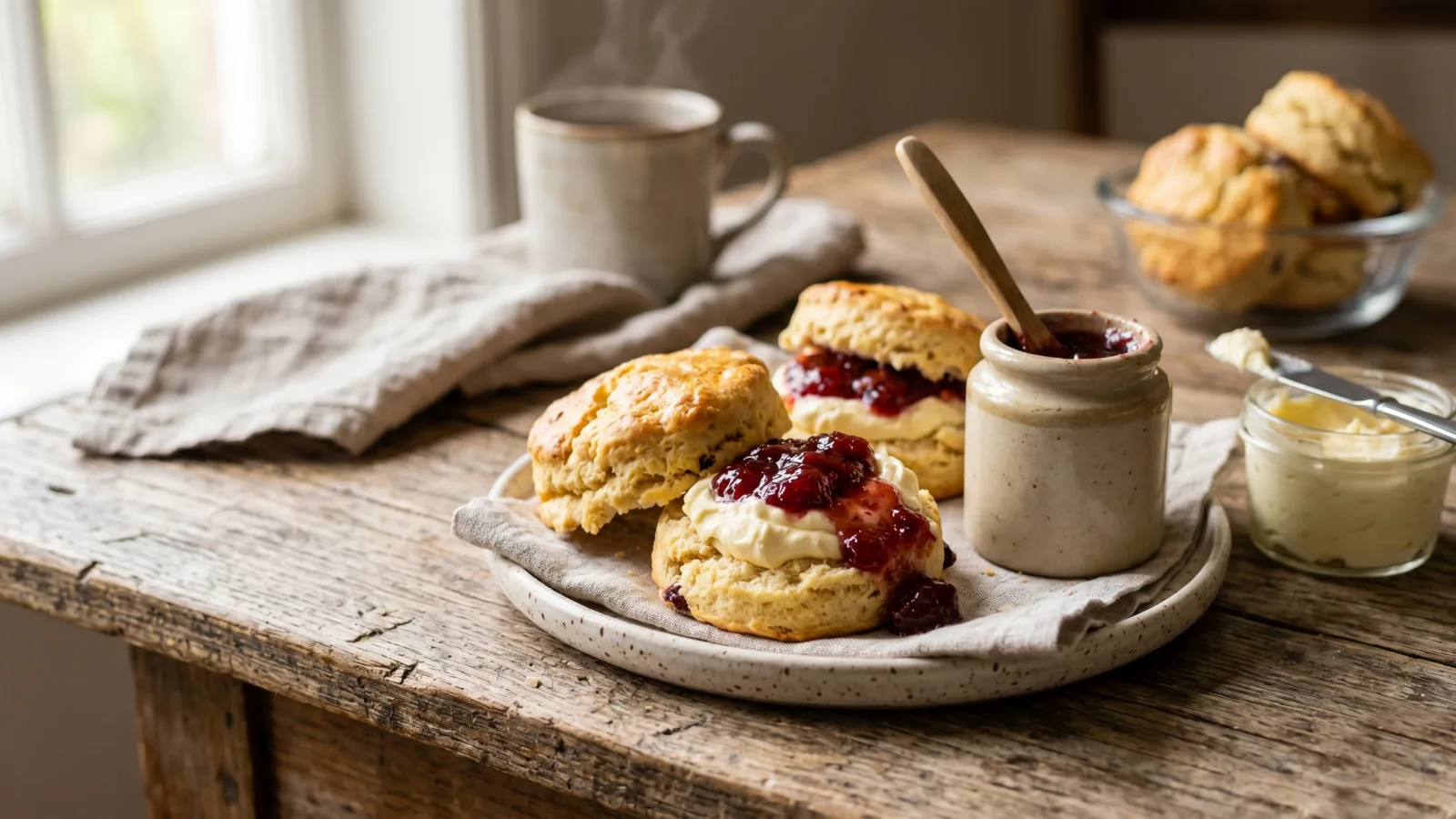
Warm from the tin, split and buttered, these need nothing else, though a smear of good jam is welcome. They make exceptional sandwich bread — soft enough to fold without cracking, sturdy enough to hold a filling — and they are the proper bread for a Japanese fruit sandwich, the fruit sando, stuffed with whipped cream and fruit if you want to lean fully into their sweetness.
The same dough scales straight up into a classic shokupan loaf: prove it in a loaf tin instead of as rolls and bake a little longer. However you shape it, store it well wrapped at room temperature, and you will find it stays soft far longer than any bread has a right to. That, in the end, is the gift of the tangzhong, and the reason I keep a square tin reserved for exactly this.
Related Content