Jamaican Beef Patties with a Turmeric Crust
Golden, flaky pastry crescents packed with peppery, scotch-bonnet-spiked beef
Contents
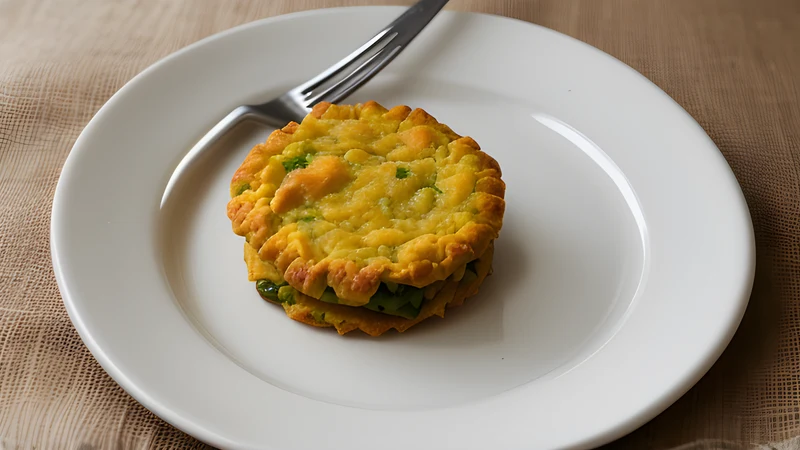
↓ Jump to recipeThe Jamaican beef patty is one of the great handheld foods of the world: a flaky, turmeric-gold pastry crescent, its edges crimped with a fork, hiding a peppery, savoury beef filling that carries a genuine hum of scotch bonnet heat. Sold from bakeries and hole-in-the-wall shops across Jamaica and wherever Jamaicans have settled — Brixton, Brooklyn, Toronto — it is breakfast, lunch, and the thing you eat on the walk between them. Warm from the oven, it is very hard to stop at one.
The patty is a Caribbean cousin of the empanada and the Cornish pasty, and its history runs through the same routes of empire and migration. British colonial cooking brought the folded meat pie; enslaved and later free Jamaican cooks made it their own with the island’s peppery spicing — allspice, thyme, scotch bonnet, curry powder — and, crucially, the golden pastry that is the patty’s signature. That colour, once achieved with annatto and now usually with turmeric or a little curry powder worked into the dough, is what makes a Jamaican patty recognisable at ten paces.
Jamaican Beef Patties with a Turmeric Crust
Ingredients
- 300 g plain flour, plus extra for rolling
- 1 tbsp ground turmeric
- 1 tsp fine salt
- 1 tsp caster sugar
- 120 g cold unsalted butter, diced
- 40 g shredded beef suet (or 40 g more cold butter)
- about 90 ml ice-cold water
- 1 tbsp vegetable oil (for the filling)
- 400 g beef mince
- 1 onion, finely diced
- 3 spring onions, finely sliced
- 3 garlic cloves, minced
- 1/2 scotch bonnet chilli, deseeded and very finely chopped (or to taste)
- 1 tsp fresh thyme leaves
- 1 tsp ground allspice (pimento)
- 1 tsp curry powder (Jamaican, if you have it)
- 1 tsp paprika
- 1/2 tsp ground black pepper
- 1 tsp salt
- 1 tbsp tomato purée
- 40 g fresh breadcrumbs
- 150 ml beef stock or water
- 1 egg, beaten, to glaze
Method
- Make the pastry: whisk the flour, turmeric, salt and sugar in a bowl. Rub in the cold butter and suet until the mixture looks like coarse crumbs with some pea-sized flecks left visible.
- Add the ice-cold water a little at a time, mixing with a knife, until the dough just comes together. Do not overwork it. Wrap and chill for at least 30 minutes.
- Make the filling: heat the oil over a medium-high heat and fry the onion for 4 minutes. Add the mince and brown it well, breaking up any clumps, for 6-8 minutes until deeply coloured.
- Add the spring onions, garlic, scotch bonnet, thyme, allspice, curry powder, paprika, black pepper and salt. Cook for 2 minutes until fragrant.
- Stir in the tomato purée, breadcrumbs and stock. Simmer for 5-6 minutes until thick, moist and scoopable — the breadcrumbs should absorb the liquid so the filling holds together. Cool completely.
- Roll the pastry out to about 3 mm thick and cut into 8 rounds of roughly 15 cm (use a saucer as a guide).
- Spoon filling onto one half of each round, leaving a clear border. Brush the edge with water, fold over into a half-moon, press out any air, and seal firmly with a fork.
- Transfer to lined baking trays, brush the tops with beaten egg, and bake at 200°C (fan 180°C) for 25-30 minutes until deep golden and crisp. Cool for 5 minutes before eating — the filling is molten.
The turmeric crust, and how to keep it flaky
The gold pastry is the first thing you notice and the easiest to get wrong. Colour is only half the job; the other half is flakiness, because a patty crust wants to shatter into buttery flakes rather than sit heavy like a pie lid. My dough leans on two fats working together, and this is the small change I would fight for: cold butter for flavour and flake, plus a little shredded beef suet for a short, tender, properly Caribbean crumb. Suet melts at a higher temperature than butter, so it leaves tiny pockets of steam-blown air right through the bake, keeping the pastry light even when the filling is heavy.
Rub the fats in only until you have coarse crumbs with visible pea-sized flecks of butter still showing; those flecks are future flakes. Bind with as little ice-cold water as the dough will take, mix with a knife rather than your warm hands, and chill it hard before rolling. Turmeric goes straight into the flour — a full tablespoon gives that deep marigold shade and a faint earthy warmth that suits the beef. If you have Jamaican curry powder, a teaspoon of it in the dough deepens both colour and flavour.
Keep everything cold. The reason home pastry turns tough and greasy is warm butter smearing through the flour instead of staying in distinct pieces; on a hot day I chill the diced butter, the bowl and even the flour before I start. If the dough feels at all sticky or soft as you work, put it back in the fridge for twenty minutes and let it firm up. A well-rested dough also rolls out without springing back and shrinking, which matters when you are cutting neat rounds.
The filling: peppery, moist and never dry
A dry patty filling is a sad thing, and it is the commonest fault in home versions. The Jamaican trick is to keep the beef loose and moist, almost saucy, so it stays succulent inside the sealed pastry. Brown the mince properly first — really let it colour, because that deep, caramelised savour is the backbone of the flavour — then build the spice on top of it.
Allspice, called pimento in Jamaica and native to the island, is the defining note: warm, clove-like, faintly peppery. Thyme, garlic, spring onion and scotch bonnet fill out the seasoning, and a little curry powder and paprika round it. The scotch bonnet is where the patty gets its character; it is a fiercely hot, fruity chilli, and you should treat it with respect. Half a deseeded one gives a warm background heat; a whole one, seeds in, makes a patty that bites back. Wear gloves and keep your hands away from your eyes.
Here is what keeps the filling together: a handful of fresh breadcrumbs stirred in near the end, along with a splash of stock. The crumbs drink up the liquid and hold it, so the filling is moist and scoopable rather than either dry and crumbly or wet and leaky. Simmer until it is thick enough to mound on a spoon, then cool it completely before it goes anywhere near the pastry — a warm filling melts the butter and ruins the flake.
Filling, sealing and baking
Roll the chilled dough to about 3 mm and cut rounds using a saucer as a template. Spoon cold filling onto one half of each round, leaving a good clear border for sealing, then brush that border with water, fold the pastry over into a half-moon and press out the air. Seal the curved edge firmly with the tines of a fork, which both closes the patty and gives it the traditional crimped look. Any air trapped inside will expand and can split the patty in the oven, so press it out as you fold.
Chill the assembled patties for ten minutes if the kitchen is warm, brush the tops with beaten egg for shine, and bake in a hot oven until deep golden and crisp. Let them cool for a few minutes before you bite in, because the filling comes out of the oven genuinely molten and will scald an impatient mouth.
Storage, make-ahead and variations
Patties are made for batch cooking and freezing. Assemble them, then freeze raw on a tray before bagging; bake straight from frozen, adding five minutes to the time. Baked patties reheat well in a hot oven or air fryer, crisping back up in a few minutes; the microwave, as ever with pastry, leaves them soft.
For variations, the same pastry takes a chicken filling (finely diced thigh in place of mince), a spicy vegetable and callaloo mix, or the classic saltfish. In Jamaica the patty is often eaten pushed inside a soft coco bread for a carbohydrate-on-carbohydrate lunch that makes complete sense once you have walked a hot morning on your feet. If you prefer a milder patty for children, leave the scotch bonnet out of the batch and offer a hot pepper sauce at the table instead; the allspice and thyme still give plenty of Jamaican character without the fire.
If you like this folded, spiced, handheld style of baking, it sits happily beside a British cheese and onion pasty, which shares the crimp and the short pastry, and the buttery, flaky sausage rolls with a flaky puff and fennel. And to eat something else off the same island, the peppery warmth here is first cousin to ackee and saltfish, the Jamaican way, where allspice and scotch bonnet do the same quiet, essential work. Make a double batch, freeze half, and you will always have the makings of the best lunch on the street.
Related Content