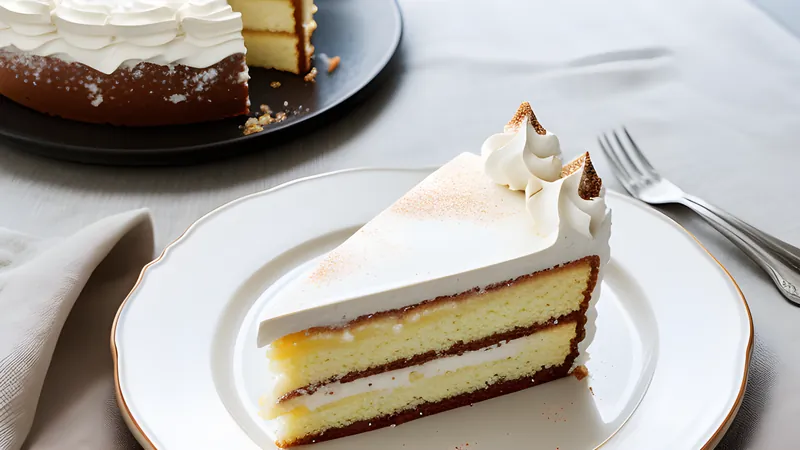
Jam Roly-Poly with Vanilla Custard
A rolled suet pudding, with toasted crumbs to hold the jam
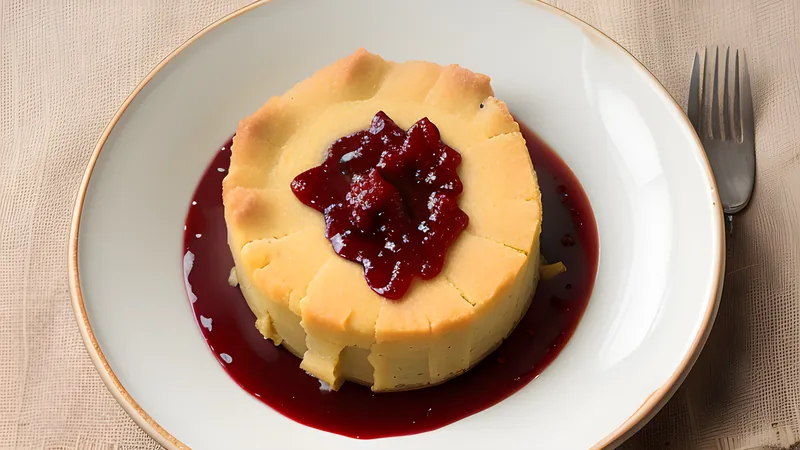
Contents
↓ Jump to recipeIf spotted dick is the shy one at the back of the class, jam roly-poly is its cheerful, slightly ridiculous cousin, a great spiral of soft suet sponge and sweet jam that slices open to reveal a red swirl. It has schoolboy nicknames going back generations, “dead man’s arm” and “dead man’s leg” among the printable ones, earned from the days when it was rolled and steamed inside an old shirtsleeve of all things. It is one of the easiest hot puddings in the British repertoire and one of the most reliably loved. My single tweak solves its one genuine flaw: a scatter of toasted breadcrumbs over the jam, which soaks up the melting fruit and stops it flooding out of the ends in a sticky escape.
From shirtsleeve to Sunday table
The roly-poly is a nineteenth-century invention, born of the same steam-and-suet tradition that gave Britain a whole canon of boiled puddings before ovens were universal. It appears in cookbooks from the 1840s onward, often called “jam roly-poly” or “rolypoly jam pudding”, and was cheap, filling and endlessly variable depending on what preserve was in the larder. The shirtsleeve story is real: cooks would spread the dough with jam, roll it, and steam or boil it inside a length of cloth, and a discarded sleeve was exactly the right shape, hence the grisly nicknames that generations of children have delighted in ever since.
It belongs firmly to the family of suet puddings, cousin to spotted dick with proper custard and the marvellous sussex pond pudding with a whole lemon, all of them built on the same trick of solid fat suspended in flour that melts late in the cooking to leave an open, tender crumb. What sets the roly-poly apart is the spiral, which means every slice offers a fair share of jam wound through pale sponge, and a cut face that looks far more impressive than the five minutes of effort it took to make.
Jam Roly-Poly with Vanilla Custard
Ingredients
- 250g self-raising flour, plus extra to dust
- 125g shredded suet (beef or vegetable)
- 40g caster sugar
- 0.5 tsp fine salt
- Finely grated zest of 1 lemon
- About 150ml cold milk
- 6 tbsp good raspberry or blackberry jam
- 40g fresh white breadcrumbs, toasted golden
- 1 tbsp milk, to glaze
- For the custard: 500ml whole milk
- 100ml double cream
- 1 vanilla pod, split, or 1 tsp vanilla bean paste
- 5 large egg yolks
- 50g caster sugar
- 2 tsp cornflour
Method
- Mix the flour, suet, sugar, salt and lemon zest, then add cold milk to make a soft, just-firm dough. Roll on a floured surface to a rectangle about 22 by 30cm.
- Warm the jam slightly, spread over the dough leaving a 2cm border, then scatter the toasted breadcrumbs evenly over the jam.
- Roll up from a short end, seal the ends, and wrap loosely in buttered baking paper and foil, allowing room to expand. Twist the ends like a cracker.
- Steam over simmering water for 90 minutes, or bake on a tray at 180C fan for 35 to 40 minutes, brushing with milk first.
- Make the custard: heat milk, cream and vanilla; whisk yolks, sugar and cornflour; temper, return to the pan and cook gently to a coating custard.
- Unwrap, cut into thick slices and serve with the warm vanilla custard.
The breadcrumb trick, explained
Anyone who has made a jam roly-poly knows the moment of disappointment when you unwrap it and half the jam has boiled out of the ends into the paper, leaving pale sponge and a sticky mess. Jam is mostly sugar and water, and under the long, wet heat of steaming it turns thin and runny and looks for the nearest exit. The toasted breadcrumbs are the fix, an old baker’s insurance borrowed from the linings of fruit tarts. They absorb the loosened jam as it melts and hold it in a soft, jammy paste against the sponge, so it stays put in the spiral instead of pooling out. Toasting them first, until golden and dry, gives them more capacity to drink up liquid and adds a faint nutty background note that reads almost like a very thin layer of frangipane under the jam. Leaving a clear 2cm border unspread and pinching the ends firmly does the rest, giving the melting jam a wall of plain dough to hit before it can reach the edge. Use a thick, well-set jam rather than a runny one for the same reason: the firmer the preserve, the less it wants to travel.
Steamed or baked
There are two schools of roly-poly, and both are correct. Steaming is the traditional method and gives the softest, most tender result, a properly old-fashioned pudding with a pale, damp crumb. Baking is quicker and gives a sponge with a lightly crisp, golden exterior and a slightly firmer bite, which some people prefer. If you bake it, brush the outside with milk for colour and a light sugar dusting for crunch. Either way, do not skimp on the wrapping room when steaming: the pudding expands considerably, and a tightly bound parcel will split or steam unevenly. The loose twist at the ends lets it grow while still holding its shape.
The custard, and getting it silky
A jam roly-poly without custard is a sad, dry thing, so the custard is not optional in this kitchen. A real pouring custard, thickened with egg yolks and steadied with a little cornflour, coats each slice in warm vanilla and turns a nursery pudding into something you would happily serve guests. Cook it gently, stirring constantly, and stop the moment it thickens to coat the spoon; a custard pushed too far will scramble at the edges. The cornflour makes it far more forgiving for anyone nervous about split custard, letting it reach a gentle simmer without curdling. The same silky custard belongs with a trifle with sherry, custard and raspberry, so it is a technique worth having in your fingers.
Make-ahead, storage and variations
Like all steamed puddings, roly-poly reheats kindly, so it suits making ahead. Steam it, cool it wrapped, and re-steam for 20 to 30 minutes to serve, or warm slices in the microwave for a quick bowl. It keeps for three days in the fridge and the custard reheats gently with a splash of milk. For variations, the jam is the obvious lever: try damson for a sharper edge, apricot for a mellow floral note, or a thick-cut marmalade for a grown-up, bitter version that suits after dinner. A handful of currants or a little chopped stem ginger scattered over the jam with the breadcrumbs adds welcome texture, and swapping the lemon zest for orange with a pinch of cinnamon turns the whole thing faintly festive for a cold December pudding. Whatever you choose to fill it with, the toasted crumbs stay, quietly keeping the jam where it belongs and every slice looking as good as it tastes.
Related Content