Insalata Tricolore, Done with Actual Tomatoes
Salted, rested and dressed the way the colours deserve
Contents
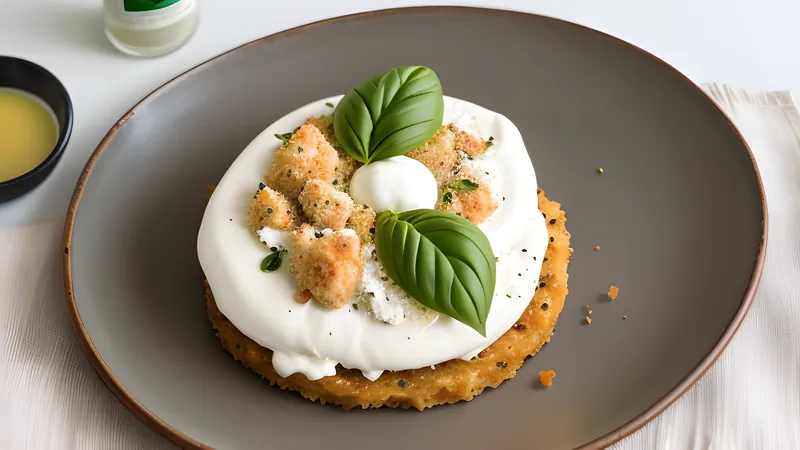
↓ Jump to recipeMost versions of insalata tricolore fall down before the dressing ever touches the plate, because the tomatoes go on watery and under-seasoned and the mozzarella is the bland, rubbery kind sold in blocks for pizza. This one fixes both problems at the root: the tomatoes are salted and rested so they taste of something rather than diluting everything around them, and torn burrata stands in for mozzarella, its cool, creamy centre spilling out to do the job a firmer cheese cannot.
Insalata Tricolore, Done with Actual Tomatoes
Ingredients
- 700g ripe heirloom or beefsteak tomatoes, in varied colours if possible
- 1 tsp fine salt, for the tomatoes
- 2 ripe avocados
- 1 tbsp lemon juice
- 250g burrata
- 150ml balsamic vinegar
- 1 tsp caster sugar
- 4 tbsp extra-virgin olive oil
- A large handful of basil leaves, whole or torn
- Flaky sea salt and black pepper
Method
- Slice the tomatoes into 1cm rounds, lay them on a wire rack or a double layer of kitchen paper, sprinkle with the fine salt, and leave to rest for 20 minutes so excess water drains away.
- Simmer the balsamic vinegar with the sugar in a small pan over a medium heat for 8 to 10 minutes, until reduced by roughly half and thick enough to coat the back of a spoon; leave to cool, as it thickens further off the heat.
- Slice the avocados and toss gently with the lemon juice to stop them browning.
- Pat the tomato slices dry, then arrange them on a large platter, overlapping with the avocado slices.
- Tear the burrata open and scatter the curds and cream over the platter.
- Drizzle with the olive oil, followed by the cooled balsamic reduction.
- Scatter with basil leaves and finish with flaky sea salt and a generous grind of black pepper.
The Story
Insalata tricolore takes its name from the colours of the Italian flag, red tomato, white mozzarella and green basil, arranged together on a plate as a kind of edible patriotism. It sits alongside insalata caprese, the near-identical dish native to Capri, as one of the two standard tomato-mozzarella-basil combinations that Italian menus abroad lean on constantly, though tricolore is the looser, more Anglo-Italian version of the two, often widened to include avocado for extra creaminess and colour, a variation that has become common enough in British and American Italian restaurants to be considered its own dish rather than a caprese with an extra ingredient bolted on.
The trouble is that both dishes are entirely dependent on the quality of three or four ingredients with nowhere to hide, and most versions served outside Italy use tomatoes picked hard and green for shipping, ripened artificially in transit rather than on the vine, and mozzarella designed to melt on a pizza rather than to be eaten cold and raw. Neither ingredient tastes of very much on its own, so the dish becomes an exercise in texture rather than flavour, three bland things stacked in a pretty pattern.
Burrata solves half of that problem. It is made by wrapping a shell of mozzarella around a filling of stracciatella, shredded mozzarella curd mixed with fresh cream, sealing the parcel closed so the outside looks like an ordinary ball of cheese until it is cut open and the soft, oozing centre spills out. Made in Puglia since the early twentieth century, originally as a way for cheesemakers to use up scraps of mozzarella curd rather than waste them, burrata has since become the more prized ingredient specifically because of that contrast between a firmer outer shell and a loose, cream-rich centre, which does far more work on a plate of sliced tomatoes than a uniform block of standard mozzarella.
Salting the tomatoes solves the other half. Slicing them thick and sprinkling them with salt draws out a portion of their internal water through simple osmosis, concentrating the fruit’s sugars and acids in what remains and firming the flesh so the slices hold their shape rather than sitting in a puddle. Skip this step, and the tomato’s own juice bleeds out onto the plate for the length of the meal, thinning the olive oil, watering down the balsamic and leaving diners with pooled liquid rather than a clean plate of concentrated flavour.
What can go wrong
The single most common error is skipping the salting step because the tomatoes look ripe enough already. Even properly ripe tomatoes are still upward of 90 per cent water, and a 20-minute rest before plating makes a genuine, tastable difference; do not shorten it just because the fruit smells fragrant on the counter. A close second is buying a balsamic reduction ready-made from the supermarket, which is often thinned with caramel colouring and sweeteners rather than reduced from real vinegar, and tastes syrupy rather than sharp; the homemade version here takes ten unattended minutes and costs a fraction as much.
Avocado browns fast once cut, so slice it as close to serving as you can manage and toss it with lemon juice immediately; a tricolore assembled an hour ahead with unprotected avocado will look tired and grey-edged by the time it reaches the table. And take the burrata out of the fridge 20 minutes before serving: cold burrata is firmer and less creamy, and its distinctive spill of curd and cream is far more dramatic, and considerably better tasting, at something closer to room temperature.
Basil is the last detail worth getting right, and it is where a lot of home cooks lose flavour without noticing. A knife blade bruises basil’s cell walls along the cut, releasing an enzyme that turns the leaf edges brown and slightly bitter within minutes, an effect chefs call oxidation browning. Tearing the leaves by hand instead damages far fewer cells and keeps the leaf a brighter green with a cleaner, sweeter aroma; if you do need to cut a large quantity, do it at the very last moment, directly over the plate, rather than in advance.
Storage, make-ahead and variations
This is an assemble-just-before-serving dish rather than one to make ahead in its finished state; dressed tomatoes weep and burrata is at its best within an hour of being opened. The balsamic reduction is the exception: make a batch a week or more ahead and keep it in a sealed jar at room temperature, where it holds its texture and flavour perfectly and is useful well beyond this one salad, over roasted vegetables or grilled peaches.
Standard buffalo mozzarella works if burrata is unavailable or beyond the budget, though the salad will read as a classic caprese rather than the creamier tricolore version, and the two are close enough cousins that nobody at the table will feel short-changed. A scattering of toasted pine nuts adds welcome crunch against all that softness, and a few anchovy fillets, mashed into the olive oil before drizzling, bring a savoury undertone that the sweetness of the balsamic and avocado can carry without becoming cloying.
For another salad that hinges on the same salting-and-resting trick to concentrate a tomato’s flavour, my proper panzanella, stale bread’s finest hour uses exactly the same technique with bread instead of avocado. And for another Mediterranean plate that leans on a good, punchy dressing against cool, creamy cheese, my Greek salad with watermelon and oregano-honey dressing is worth a look.
Mozzarella, tomatoes, and the oil that ties it together
A tricolore has nowhere to hide: three main ingredients, no cooking, no sauce to rescue a weak one. So each has to be right. The mozzarella wants to be proper fresh mozzarella sitting in its own whey — buffalo (mozzarella di bufala) if you can justify it, for its softer, milkier, faintly tangy curd, or a good fior di latte cow’s-milk ball if not. The hard, shrink-wrapped blocks sold for pizza are a different product entirely and will sit on the plate like rubber. Take it out of the fridge half an hour before serving; cold mutes dairy, and mozzarella straight from the fridge tastes of almost nothing.
Tomatoes are the ingredient people get wrong out of habit, reaching for the uniform red spheres that taste of water. Out of a good summer you want ripe, heavy, fragrant tomatoes — a beef tomato sliced thick, or a mixture of colours and sizes if the greengrocer has them. Salt them a few minutes before assembling and let them sit; the salt draws out a little juice that seasons everything and concentrates their flavour. Basil should be torn, not shredded with a knife, which bruises and blackens the cut edges.
The oil is the third flavour, not a garnish. Use a peppery, grassy extra-virgin you would happily taste off a spoon, pour it more generously than feels sensible, and finish with flaky salt. No balsamic — a good tricolore needs nothing but oil, salt, and the sweetness of the tomatoes themselves.
Serve it at room temperature, always, and assemble it as close to the table as you can. This is a salad that rewards the season: made in February with hard, pale supermarket tomatoes it is a sad thing, however good the mozzarella, while made in August with a heavy, sun-warm tomato and a ball of buffalo it needs almost nothing from the cook. Buy the best three ingredients you can afford, treat them gently, and let them be what they are.
Related Content