Iced Matcha with Coconut
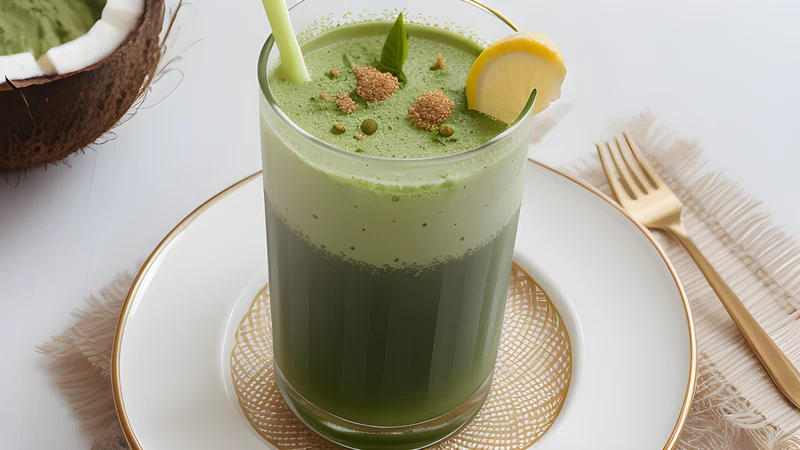
Whisked matcha poured over coconut milk and ice
Contents
↓ Jump to recipeIced matcha has become a café standard, and the version served over milk with a syrup is genuinely lovely. Swapping the dairy for coconut is the small change that lifts it into something I want to make at home all summer. Coconut milk gives the drink a rounder, more tropical sweetness that flatters matcha’s grassy, slightly savoury edge far better than cow’s milk does, and the pale gold of the coconut layered under the bright jade tea looks like something you would queue for.
There is a real reason coconut and matcha get on so well. Matcha carries a naturally bitter, umami-rich, faintly seaweedy quality from the amino acid theanine and its high chlorophyll content. Coconut brings fat, sweetness and its own gentle nuttiness, and fat is the great softener of bitterness; it coats the tongue and rounds off the sharp edges of the tea. A pinch of salt does the rest, quietening the astringency the way it does in a good coffee. If you have whisked up my matcha latte, whisked properly, you already own the technique that matters here; this is its cold-weather-defying cousin.
Iced Matcha with Coconut
Ingredients
- 4g culinary-grade matcha (about 2 tsp)
- 60ml just-off-the-boil water, cooled to about 80C
- 300ml coconut milk (the drinking kind from a carton, or tinned thinned with water)
- 2 to 3 tsp maple syrup or caster sugar, to taste
- 1/4 tsp vanilla extract, optional
- 1 pinch fine sea salt
- Plenty of ice
Method
- Sift the matcha through a small fine sieve into a bowl or wide cup. This breaks up the clumps that would otherwise refuse to dissolve and float as bitter specks.
- Add the 60ml of hot water, cooled for a couple of minutes off the boil to around 80C. Whisk briskly with a bamboo chasen or a small hand whisk in a zig-zag W motion for 20 to 30 seconds until the surface is smooth, dark and covered in a fine foam.
- In a jug, stir the coconut milk with the maple syrup, vanilla if using, and the pinch of salt until the sweetener dissolves. Taste and adjust; coconut milks vary in richness and sweetness.
- Fill two tall glasses to the top with ice. Divide the sweetened coconut milk between them, pouring over the ice so it chills at once.
- Pour the whisked matcha slowly over the back of a spoon into each glass so it layers on top in a bright green stripe. Serve immediately, with a straw or spoon to swirl the two together before drinking.
What matcha actually is
Matcha is green tea leaves grown in shade for the last few weeks before harvest, then steamed, dried and stone-ground into a fine powder. The shading is the crucial step: starved of full sun, the plant floods its leaves with chlorophyll and theanine to catch what light it can, which is why matcha is so vividly green and so rich in that savoury, brothy taste. Because you drink the whole leaf rather than an infusion, you get far more of everything, including caffeine, which is why a good matcha carries you through an afternoon without the jittery spike of coffee.
The powder has been central to Japanese tea culture since the twelfth century, when the monk Eisai brought tea seeds and the practice of drinking powdered tea back from China. Over the following centuries it became the heart of the Japanese tea ceremony, chanoyu, a whole ritual built around whisking and serving a single bowl of matcha with total attention. The café drink in your hand is a very long way from that austere ceremony, and I make no grand claims for it, but the whisking technique that gives you a smooth, foamed cup is a direct inheritance from it.
Grades, and what to actually buy
Matcha is sold in two broad tiers, and buying the wrong one is the single most common reason a homemade iced matcha tastes of pond water. Ceremonial grade is made from the youngest leaves, tastes smooth and sweet, and is meant to be drunk with just water; it is expensive and rather wasted under coconut milk and ice. Culinary or latte grade is made from slightly older leaves, tastes stronger and more astringent, and is designed to hold its own against milk and sweetener. For this drink, a good culinary or latte grade is exactly right and far kinder to your wallet.
Whatever you buy, look for a vivid, almost electric green. Dull, yellowish, khaki matcha is old and oxidised, and no amount of whisking will rescue it; it will taste flat, hay-like and bitter. Buy it in small tins, keep it sealed in the fridge away from light and air, and use it within a couple of months of opening, because matcha stales quickly once the tin is broached.
The whisking, and why temperature matters
Two things ruin homemade matcha: lumps and scorching. Both are easy to avoid.
Matcha powder is so fine that it clumps as it sits, and those clumps will not dissolve by stirring; they bob about as gritty, intensely bitter specks. Sifting the powder through a small fine sieve before you add any water breaks them up and is the step people skip and then regret. It takes ten seconds and transforms the texture.
Temperature is the other trap. Boiling water scorches matcha, drawing out harsh, bitter tannins and destroying the sweet, delicate notes you paid for. Let the kettle sit for two or three minutes after boiling so it drops to around 80C, then add it to the sifted powder. Whisk hard, using a proper bamboo chasen if you have one or a small hand whisk if you do not, in a brisk zig-zag W or M motion rather than a round stirring one. The back-and-forth is what generates the fine, even foam that tells you the matcha is fully dispersed. Twenty to thirty seconds of vigorous whisking gives you a smooth, dark, faintly foamed shot ready to pour.
If you own neither a chasen nor a small whisk, all is not lost. A lidded jar shaken hard for half a minute does a surprisingly good job of dispersing the powder, and a battery milk frother blitzed into the cup for ten seconds is quicker still. The bamboo whisk gives the finest foam and the most control, and I do think it is worth the few pounds if you make matcha often, but the drink underneath comes out much the same, so a missing tool is no reason to go without.
Layering, and the pleasure of the swirl
Pouring the matcha slowly over the back of a spoon so it sits in a clean green stripe on top of the coconut milk is pure theatre, and it works because the sweetened coconut milk is slightly denser than the thin matcha shot. It will hold its layers for a minute or two, long enough to admire, before the drinker swirls it into an even, pale jade with a spoon or straw. Do give it that swirl before drinking, or the first mouthfuls are all bitter tea and the last all sweet coconut.
For the coconut, the drinking cartons sold alongside oat and almond milk are the easiest and give a clean, pourable result. Tinned coconut milk works and tastes richer, but you must thin it, roughly half tin to half water, or the drink becomes a coconut milkshake and the matcha vanishes. Shake or stir the tin well first, as the cream separates and sits at the top.
Sweetening, storage and variations
Sweeten the coconut milk rather than the matcha shot, because sugar dissolves far more easily in the larger volume of milk and you keep the tea itself clean and adjustable. Maple syrup is my default, its caramel note bridging the tea and the coconut, though caster sugar or a light agave work fine. Start with two teaspoons and climb from there; coconut milks range from barely sweet to almost dessert-like, so taste before you commit.
The whisked matcha is best used within a few minutes, as it dulls and separates on standing. The sweetened coconut milk, on the other hand, keeps happily in a jug in the fridge for two or three days, so I often mix a batch of that ahead and simply whisk a fresh shot of matcha whenever the craving strikes. That makes this a genuinely quick weekday drink once the milk is prepped.
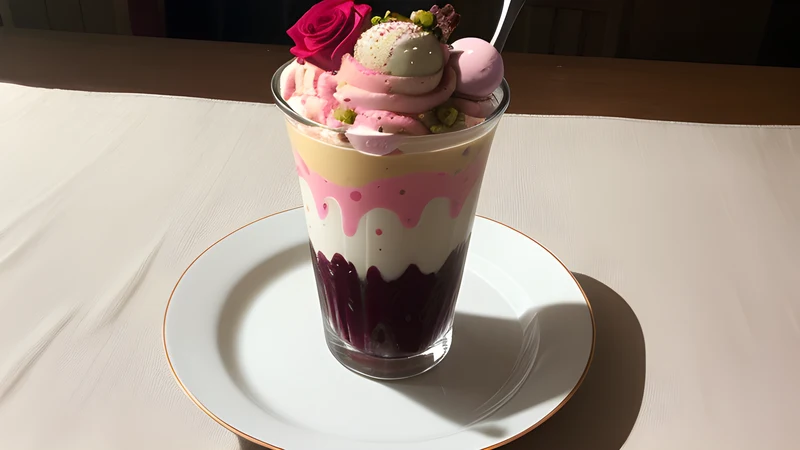
A few directions worth exploring. A squeeze of lime brightens the whole thing and pushes it towards the tropics, lovely on the hottest days. A pinch of ground ginger or a thin coin of fresh ginger muddled into the coconut milk gives a warm prickle. And for a dessert-like treat, blend the whole drink with a scoop of vanilla ice cream into a matcha coconut shake that would not shame a proper café. If you like your cold drinks with the texture of a spoonable treat, this is a short hop from the layered pleasures of a falooda with rose, basil seed and vermicelli, the same instinct for a drink you half-eat.
Made with vivid, fresh matcha, properly sifted and whisked at the right temperature, this is one of the best cold drinks I know: bright, grassy, gently sweet and quietly wide-awake. It costs a fraction of the café version and, once you have the knack of the whisk, takes about the same time as queuing would.
Related Content