Hazelnut Dacquoise with Coffee Buttercream
Crisp nutty meringue layers and a silky coffee filling
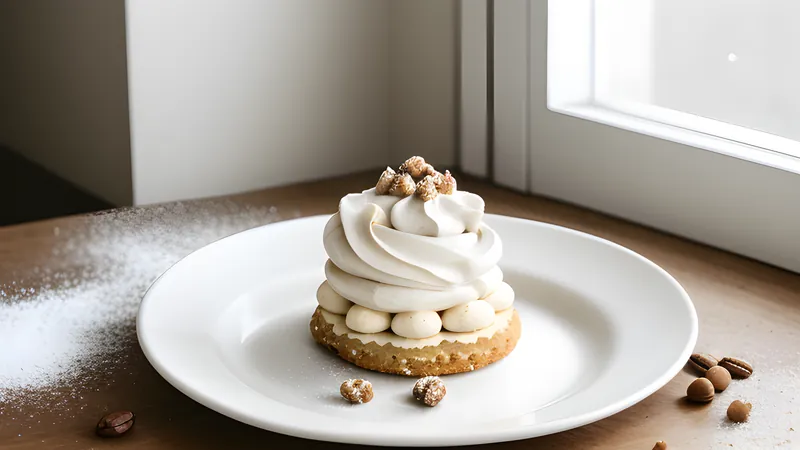
Hazelnut Dacquoise with Coffee Buttercream
Ingredients
- 150g blanched hazelnuts, plus a handful for decoration
- 200g icing sugar, plus extra for dusting
- 30g plain flour
- 5 large egg whites (about 165g)
- 100g caster sugar
- 0.25 tsp fine salt
- 200g unsalted butter, softened
- 150g icing sugar, for the buttercream
- 2 large egg yolks
- 3 tbsp strong espresso, cooled
- 1 tbsp instant espresso powder dissolved in 1 tbsp boiling water
- 1 tsp vanilla extract
Method
- Heat the oven to 160C fan and toast the hazelnuts on a tray for 10 minutes until fragrant, then cool.
- Blitz the toasted hazelnuts with the 200g icing sugar and the flour until finely ground but not oily.
- Whisk the egg whites with the salt to soft peaks, then add the caster sugar a spoonful at a time, whisking to a stiff, glossy meringue.
- Fold the nut mixture gently into the meringue in three additions, keeping as much air as possible.
- Pipe or spread the mixture into three 20cm discs on lined trays and bake at 150C fan for 75 to 90 minutes until dry and crisp, then cool completely.
- For the buttercream, beat the softened butter with the 150g icing sugar until pale and fluffy.
- Beat in the egg yolks one at a time, then the espresso, dissolved instant espresso, and vanilla until smooth.
- Stack the three discs with buttercream between each layer, finishing with a thin coat on top.
- Dust with icing sugar, scatter with chopped toasted hazelnuts, and chill for an hour before slicing.
There is a particular kind of pudding that looks far harder than it is, and dacquoise sits comfortably at the top of that list. Underneath the elegant name is a stack of nutty meringue discs, baked until crisp and faintly chewy, layered with a buttercream that here is shot through with proper coffee. It is the sort of thing you bring to the table and watch people sit up a little straighter, yet the whole construction rests on egg whites, ground nuts and a bit of patience. The one twist that lifts it from good to genuinely memorable is leaning hard into the coffee, using both fresh espresso and instant espresso powder so the bitterness has somewhere to land against all that sweetness.
1 A meringue with a French pedigree
Dacquoise takes its name from Dax, a spa town in the southwest of France, and the word originally described a cake “in the style of Dax”. Over time it came to mean the component itself: a meringue enriched with ground almonds or hazelnuts that bakes firmer and more substantial than a plain Pavlova-style meringue. The addition of nuts and a little flour gives it backbone, so it can be stacked and filled without collapsing into chewy rubble.
You will find dacquoise hiding inside some of the grandest French gateaux, where pastry chefs use the discs as a structural layer between mousses and ganaches. The hazelnut and coffee pairing is a classic of that tradition, echoing the flavours of a good gianduja or a strong morning espresso with a pastry. Making it at home strips away the intimidation: you are essentially baking three nutty meringues and sandwiching them, which is well within reach of an ordinary kitchen.
2 How it comes together
Start by toasting the hazelnuts, which wakes up their flavour and makes the skins (if any remain) easy to rub away. Once cooled, blitz them with icing sugar and a little flour. The sugar stops the nuts turning to paste, so pulse rather than blend continuously and stop the moment you have a fine, sandy meal.
The meringue is straightforward: whisk the whites to soft peaks, then rain in the caster sugar to build a stiff, glossy structure. Fold the nut mixture in gently and in stages, treating the meringue like something precious, because every knock you give it is air you lose. Spread or pipe three even discs and bake them low and slow until they are dry all the way through. This long, gentle bake is what gives dacquoise its signature crackly top and tender, biscuit-like interior.
The buttercream here is a simple French-style one, built on butter, icing sugar and egg yolks for richness, then flavoured generously with coffee. Using cooled espresso plus a spoonful of dissolved instant coffee gives a deep, slightly bitter edge that keeps the dessert from cloying. Stack the discs with the coffee buttercream, dust the top with icing sugar, and let the whole thing settle in the fridge so the layers marry and slice cleanly.
3 Tips, make-ahead and variations
The meringue discs are the part that can go wrong, and almost always for the same reason: underbaking. If they are still tacky or bendy when cool, they will weep under the buttercream. Bake them until they lift cleanly off the paper and feel light and crisp, and if your oven runs hot, drop the temperature and extend the time rather than risk browning.
This is a brilliant make-ahead pudding. The baked discs keep for several days in an airtight tin, so you can spread the work out. Assemble it the day before serving and keep it chilled; an overnight rest actually improves the texture as the buttercream softens the meringue very slightly into a melting, almost mousse-like layer.
For variations, swap the hazelnuts for almonds or pistachios, or fold a little cocoa into the nut mixture for a chocolate-hazelnut version. If coffee is not your thing, a praline or salted caramel buttercream works beautifully against the same nutty base. You can also pipe the discs as smaller rounds and build individual dacquoise stacks for a dinner party, which look impressive and remove the worry of cutting cleanly through the layers at the table. And do not skip the pinch of salt in the meringue, because it is the quiet thing that stops the whole dessert tasting flatly sweet and lets the coffee sing.
One final word on weather: meringue hates humidity. On a damp day the discs can take longer to dry out and may soften again once cooled, so bake them on a dry day if you can, and store them somewhere dry until you assemble. Get that right, and a homemade dacquoise will quietly outclass most of what you could buy.
Related Content