Gulyásleves: Hungarian Goulash Soup with Caraway
A shepherd's kettle-soup, paprika-deep and threaded with pinched noodles
Contents
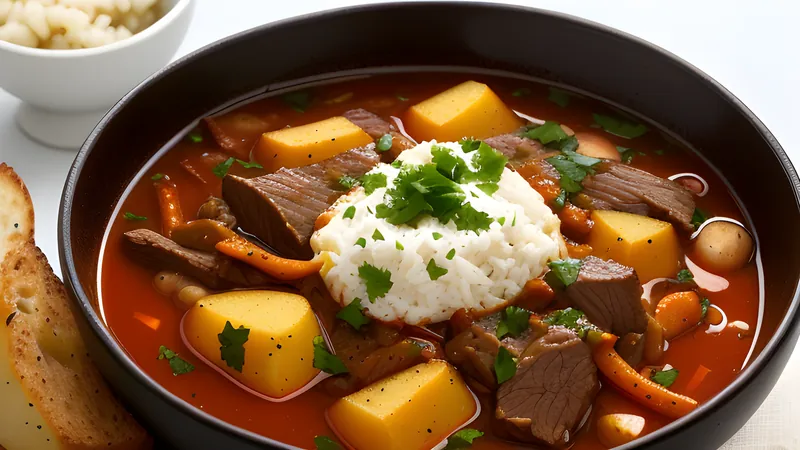
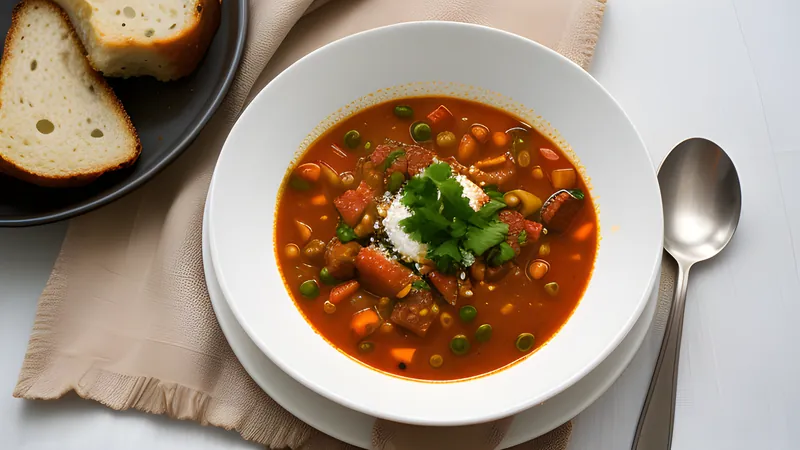
↓ Jump to recipeThere is a small, useful argument you can start in almost any Hungarian kitchen, and it goes like this: gulyás is a soup. The thick, dark, forkable thing that turns up on British menus under the name “goulash” is a genuine dish, but its proper name is pörkölt, and calling it goulash is a bit like calling risotto “rice”. Real gulyásleves — the word ends in leves, soup — is a loose, brothy, paprika-red kettle-soup thin enough to drink from a spoon, with cubes of beef, potatoes, sweet peppers and little pinched noodles bobbing through it. It is one of the great one-pot dinners, and once you understand how it is built you will make it on repeat through the cold half of the year.
From the cattlemen’s fire
The name gives the game away. Gulyás means herdsman, specifically the gulya, the herd of cattle driven across the Great Hungarian Plain, the Alföld, from the Middle Ages onwards. The men who moved these animals cooked in a bogrács, a cast-iron kettle slung over an open fire, and gulyás was their travelling dinner: beef that would otherwise not travel, cut down and stretched with whatever the plain offered, cooked long and slow while the herd grazed. For centuries it was a plain, brown, oniony meat soup. The colour and the character we now think of as unmistakably Hungarian arrived surprisingly late.
Paprika is the reason. The peppers came from the New World via the Ottomans and were grown in Hungary as a curiosity, then as a poor person’s spice, long before they entered respectable cooking. It was really the eighteenth and nineteenth centuries before ground paprika became the national seasoning, and gulyás rode that wave to become a symbol of Hungarian identity during the long push against Habsburg rule. A herdsmen’s supper turned into a flag. That history is worth carrying to the stove, because it explains the two things that matter most in the pot: honest beef cooked patiently, and paprika treated with respect.
Why the paprika goes in off the heat
Here is the single technique that separates a good gulyásleves from a bitter, dull one. Paprika is full of sugars, and sugars scorch. Drop three tablespoons of it into a hot, dry pan and you have about ten seconds before it turns acrid and grey, and there is no rescuing a soup once that has happened. So the sequence is deliberate: soften the onions gently, add the aromatics, then pull the entire pot off the flame before the paprika goes in. The residual heat in the fat and onions is enough to bloom it, releasing the fat-soluble colour and flavour, without ever letting it catch. Twenty seconds of stirring off the heat, then the liquid goes in and the danger has passed. Learn this and you can use paprika fearlessly for the rest of your life.
My one quiet departure from the Alföld original is a spoonful of hot paprika alongside the sweet, plus caraway toasted whole in a dry pan before it is crushed. Toasting wakes the caraway up and gives the whole pot a warm, faintly aniseed hum underneath the paprika, the sort of background note people taste without being able to name. Caraway and paprika are the true Hungarian double act, and toasting simply turns the volume up on the quieter half.
Gulyásleves: Hungarian Goulash Soup with Caraway
Ingredients
- 700g beef shin, cut into 2cm cubes
- 2 tbsp lard or beef dripping (or sunflower oil)
- 2 large onions, finely diced
- 4 garlic cloves, crushed
- 1 tsp caraway seeds
- 3 tbsp sweet Hungarian paprika
- 1 tsp hot Hungarian paprika (or 0.5 tsp cayenne)
- 1 tbsp tomato purée
- 2 red peppers, deseeded and diced
- 2 tomatoes, chopped
- 1.8 litres beef or chicken stock
- 3 medium waxy potatoes, cut into 2cm cubes
- 2 carrots, sliced into rounds
- 1 parsnip or piece of celeriac, diced
- 2 bay leaves
- 1.5 tsp fine salt, plus more to taste
- For the csipetke: 60g plain flour, 1 egg, pinch of salt
Method
- Toast the caraway seeds in a dry pan for 30 seconds until fragrant, then crush lightly in a mortar and set aside.
- Melt the lard in a heavy pot over medium-low heat and cook the onions slowly for 12 to 15 minutes until soft and golden, without browning hard.
- Add the garlic and caraway and cook for 1 minute. Pull the pot off the heat, stir in both paprikas and the tomato purée, and let them bloom in the residual heat for 20 seconds.
- Return to the heat, add the beef and stir to coat, then pour in the stock. Add the bay leaves and 1 tsp salt, bring to a bare simmer, cover and cook for 90 minutes until the beef is beginning to soften.
- Add the peppers, tomatoes, carrots and parsnip and simmer uncovered for 20 minutes.
- Add the potatoes and the remaining salt and simmer for a further 20 to 25 minutes until the potatoes and beef are tender.
- Make the csipetke: mix the flour, egg and salt into a stiff dough, rest 10 minutes, then pinch off fingernail-sized pieces and drop into the simmering soup. They are done when they float, about 4 minutes.
- Taste, adjust the salt, and rest the soup off the heat for 10 minutes before serving with fresh bread.
The csipetke, the best small trick in the book
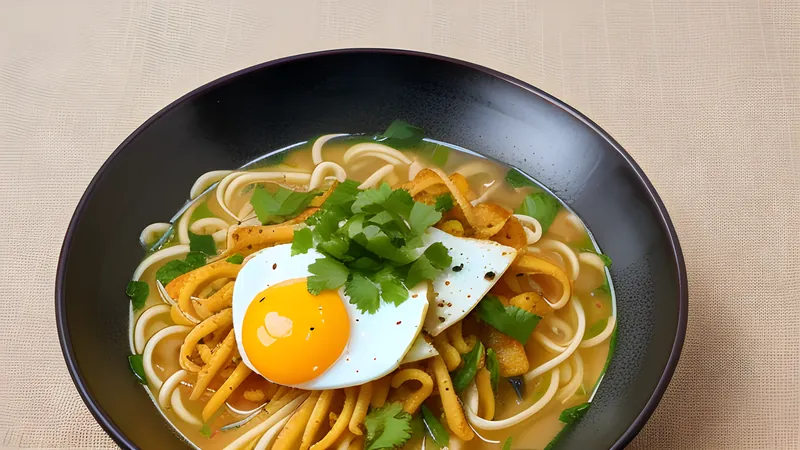
While the soup finishes, make the noodles. Csipetke means “little pinched things”, and that is exactly what they are: a stiff egg-and-flour dough torn into fingernail-sized scraps between thumb and forefinger and dropped straight into the simmering soup. They cook in about four minutes and float when done, arriving as soft, irregular little dumplings that make the whole bowl feel like more of a meal. You can serve gulyásleves without them, but they are five minutes of work for a disproportionate reward, and children love making them.
What can go wrong
The two classic failures are both about heat. Scorched paprika, covered above, is the fatal one. The other is a hard, fast boil during the long cook, which agitates the beef, toughens it and turns the broth muddy and grey instead of clear red. Keep it at a lazy simmer where only the occasional bubble breaks the surface. If your soup tastes flat at the end, it almost always wants salt rather than more spice; paprika gives colour and aroma but very little of the savoury depth that salt unlocks. Add it a half-teaspoon at a time until the flavour snaps into focus.
Making ahead, storing and stretching it
Like most paprika soups, gulyásleves is better on day two, once the flavours have had a night to marry. Cool it quickly, refrigerate for up to four days, and add the csipetke fresh when you reheat rather than storing them in the soup, where they go flabby. It freezes well without the noodles for up to three months. If it thickens too much in the fridge, loosen it with a splash of stock or water when you reheat; it should stay a soup you can drink, never a stew you have to chew.
A spoonful of soured cream on top is common and very good, softening the paprika into something rounder, though a purist from the plain would raise an eyebrow. Serve with plenty of bread for mopping.
If this kind of deep, meaty, long-simmered bowl is your idea of dinner, you will feel at home with Caldo de Res, the Mexican beef-and-vegetable soup, which shares the same logic of good beef and staggered vegetables, and with beef shin and ale stew with herb dumplings, where the same collagen-rich cut is coaxed soft the long way. For another Eastern European soup that leans on tang rather than paprika, try rassolnik, the Russian pickle and barley soup. Make it once by the numbers, then start trusting your own hand with the paprika. That is when it becomes yours.
Related Content