Gremolata: The Three-Ingredient Garnish That Lifts Everything
Lemon, garlic and parsley, finely chopped
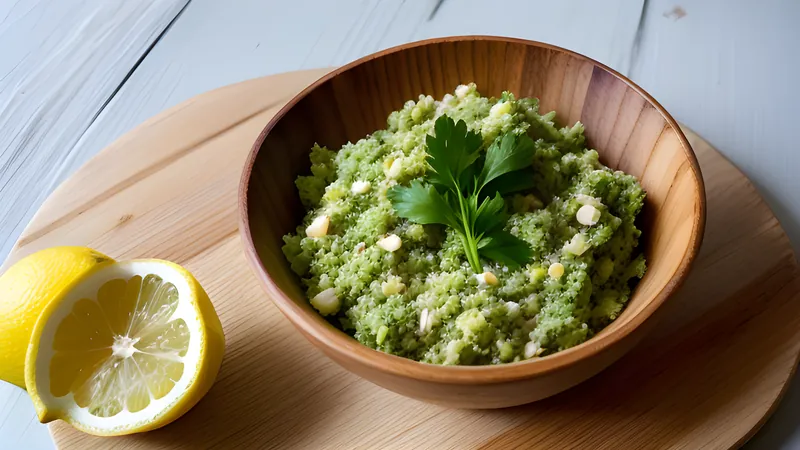
Some of the best things in cooking are almost embarrassingly simple, and gremolata is near the top of that list. Three ingredients, a board, a sharp knife, and ten minutes; that is all it takes to transform a dish from good to genuinely exciting. Parsley, lemon zest and garlic, chopped together until fragrant and bright, then scattered over the top of something rich just before serving. It cuts through fat, wakes up flavour, and adds a jolt of freshness that nothing else quite manages. My one small twist is a little orange zest alongside the lemon, for a deeper, rounder citrus lift.
Gremolata: The Three-Ingredient Garnish That Lifts Everything
Ingredients
- 1 large bunch flat-leaf parsley, leaves only
- Finely grated zest of 1 unwaxed lemon
- 1 small garlic clove
- Flaky sea salt, a small pinch
- 0.5 tsp finely grated orange zest (the twist)
Method
- Finely grate the lemon zest, taking only the bright yellow layer and none of the bitter white pith.
- Add the orange zest to the lemon zest for an extra layer of fragrance.
- Crush the garlic to a paste with a small pinch of salt, or grate it very finely on a microplane.
- Chop the parsley leaves finely, then add the garlic, lemon zest and orange zest and chop again until everything is well combined.
- Taste and add a tiny pinch more salt if needed, but keep it sharp and fresh.
- Scatter generously over the finished dish just before serving.
2 The Story
Gremolata comes from northern Italy, and specifically from Milan, where it is the traditional finishing touch for osso buco, the great braise of slow-cooked veal shanks. After hours of gentle cooking, that dish is deeply savoury and rich, the meat falling from the bone, the marrow soft in the centre. It is wonderful, but it can feel heavy, almost monotone. A spoonful of gremolata scattered over the top at the very last moment changes everything, lifting the whole thing with sharp citrus and the green bite of raw garlic and parsley. It is the classic example of how a fresh, raw garnish can balance a long-cooked dish.
The name is thought to derive from a Milanese dialect word meaning something like grains or grit, a nod to the fine, coarse-chopped texture of the mixture. What makes it so clever is that all three components are aromatic in different registers: parsley brings grassy freshness, lemon zest brings high, bright perfume from its essential oils, and raw garlic brings pungent heat. Chopped together, they meld into something greater than the sum of their parts. Crucially, gremolata is never cooked. It is always added at the end, so those volatile, perfumed oils stay lively and sharp on the plate.
Though born alongside osso buco, gremolata long ago escaped that one dish and became a cook’s secret weapon.
3 Method
- Finely grate the zest from the lemon, taking only the bright yellow outer layer. The white pith beneath is bitter, so go lightly and stop before you reach it.
- Grate a little orange zest in the same way and add it to the lemon zest; it softens and deepens the citrus note.
- Crush the garlic to a smooth paste with a small pinch of salt using the flat of a knife, or grate it very finely on a microplane. You want it dispersed evenly, with no big raw chunks.
- Pile the parsley leaves on a board and chop them finely. Add the garlic, lemon and orange zest, then run your knife through everything together a few more times until it is well mixed and fragrant.
- Taste, and add the smallest pinch more salt if it needs it. It should taste sharp, green and alive.
- Scatter it generously over your finished dish just before serving, while it is at its freshest.
4 Tips and Variations
The single most important rule is to make gremolata at the last minute. It is at its best within an hour or two of chopping; left longer, the garlic turns harsh and the parsley wilts and dulls. Use flat-leaf parsley rather than curly, as it has more flavour and chops more cleanly. An unwaxed lemon is worth seeking out, since you are eating the zest raw.
This is a template as much as a recipe. Swap the parsley for mint or basil, add a little chopped rosemary for roast lamb, or stir in some chopped toasted nuts or breadcrumbs for crunch. A version with grated horseradish is superb with beef.
As for where to use it: osso buco is the classic, but gremolata is brilliant on grilled fish, roast chicken, braised greens, a bowl of beans or lentils, risotto, or anything rich and slow-cooked that could use a spark. Keep the idea in your back pocket and your everyday cooking will be the better for it.
Related Content