Gomae: Sesame Spinach in Five Minutes
Blanched spinach, wrung dry and dressed in a nutty soy-sesame sauce
Contents
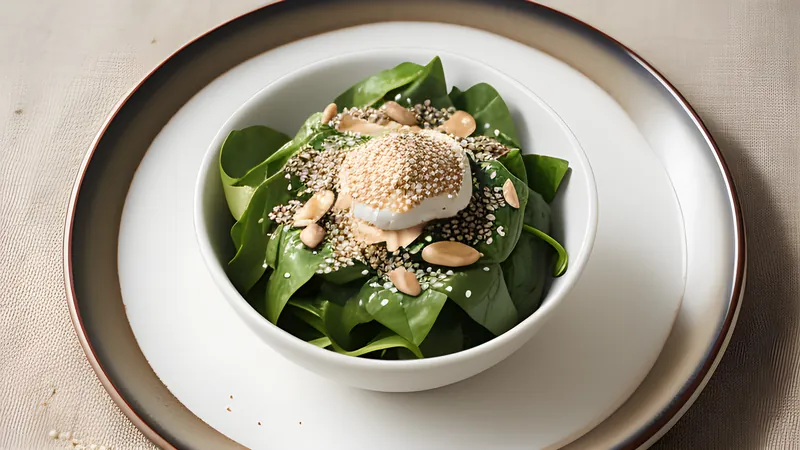
↓ Jump to recipeGomae is one of the fastest dishes in the Japanese repertoire and, done properly, one of the easiest to get slightly wrong. Blanched spinach in a nutty, savoury-sweet sesame dressing sounds like it should be foolproof, and the flavours mostly take care of themselves — soy, mirin, sugar and toasted sesame are a forgiving combination that’s hard to badly misjudge. The part that actually separates a good gomae from a disappointing one is mechanical, not a matter of taste: how thoroughly you wring the water out of the spinach before it ever meets the dressing. Skip that step, or half-do it, and you get a watery, diluted sauce pooling at the bottom of the dish instead of a dressing that clings to every leaf. I’ve served this dish to guests who insisted their own attempts at home had always come out bland and thin, and in every case the actual dressing recipe they were using was fine — the problem was always upstream of the sauce, in spinach that still had most of its water in it.
This is a standard item on the small-plates section of any traditional Japanese menu, usually served cold or at room temperature alongside other cooked-vegetable dishes known collectively as ohitashi and aemono — blanched or dressed vegetable preparations designed to be eaten in small quantities as part of a larger spread rather than as a stand-alone dish. It’s also one of the very few genuinely fast recipes worth learning properly, since the entire cooking time is under a minute and the rest is technique. Because it needs no oven, no long simmer and barely any equipment beyond a pan of boiling water and a mortar and pestle, it’s a useful dish to have memorised rather than looked up — the kind of thing you can put together as an afterthought alongside a much longer-cooking main.
Gomae: Sesame Spinach in Five Minutes
Ingredients
- 300g fresh spinach, washed, tough stems trimmed
- 2 tbsp white sesame seeds, toasted
- 1 tbsp soy sauce
- 1 tbsp mirin
- 1 tsp sugar
- 1/2 tsp toasted sesame oil
- 1/2 tsp black sesame seeds, to finish (optional)
Method
- Bring a medium pan of unsalted water to a rolling boil. Prepare a bowl of iced water alongside it.
- Drop the spinach into the boiling water and blanch for 30-45 seconds, just until it collapses and turns bright green.
- Drain immediately and plunge into the iced water to stop the cooking. Leave for 1-2 minutes until fully cold.
- Drain the spinach, then take it in small handfuls and squeeze firmly over the sink to wring out as much water as possible. Squeeze again; most people stop too soon.
- Roughly chop the squeezed spinach into 4-5cm lengths and set aside.
- Grind the toasted white sesame seeds in a mortar and pestle, or a spice grinder, until about half are broken down into a coarse, oily paste and half remain whole.
- Mix the ground sesame with the soy sauce, mirin, sugar and sesame oil to make the dressing.
- Toss the chopped spinach through the dressing just before serving, so it doesn't sit in the sauce and go watery.
- Pile into small dishes, scatter with black sesame seeds if using, and serve at room temperature or lightly chilled.
Blanch fast, shock hard
Spinach cooks in seconds, not minutes, and the goal of blanching here isn’t really to cook it through — raw spinach is already edible — it’s to collapse the leaves’ structure quickly and evenly so the whole batch wilts at the same rate, rather than ending up with some leaves cooked and others still raw and fibrous. Thirty to forty-five seconds in genuinely boiling, unsalted water is plenty; salting the blanching water is unnecessary here since the dressing itself carries all the seasoning, and salted water can draw out slightly more of the spinach’s natural sweetness than you want. Use a wide pan rather than a narrow one if you have the choice, so the spinach has room to submerge and cook evenly rather than sitting in a compressed clump at the top where the outer leaves blanch before the ones underneath even touch the water.
The ice bath immediately afterwards isn’t optional. Spinach left to cool slowly in a colander keeps cooking from residual heat, the same way pasta or green beans do, and by the time it’s reached room temperature it’s noticeably duller in colour and softer in texture than it needs to be. A hard plunge into iced water halts that residual cooking within seconds, which is what keeps the spinach a vivid, saturated green rather than the khaki-grey of an overcooked vegetable, and it also firms the leaves back up slightly, which makes the next step — squeezing — considerably easier to do well. Leave the spinach in the ice bath for a full minute or two rather than pulling it out the second it looks cool; the goal is for the leaves to be genuinely cold all the way through, not just cool on the surface, since any residual internal warmth will keep working against you once the spinach is bundled up and squeezed.
The squeeze that makes or breaks it
Spinach is somewhere around 90% water by weight, and blanching adds even more moisture on top of that. If you skip a proper squeeze and just drain the spinach in a colander, you’re left with a vegetable that’s still carrying most of that water, and the moment it meets a concentrated soy-mirin-sesame dressing, that trapped water leaches straight out into the sauce, thinning it and diluting the flavour into something flat and watery rather than the thick, clinging, deeply savoury coating gomae is supposed to have.
The fix is to squeeze in stages, not once. Take the drained, cooled spinach in small handfuls — a whole batch at once is too much to wring effectively with your hands — and squeeze hard over the sink until no more water runs out. Then squeeze again. Almost everyone, myself included the first dozen times I made this, stops after the first squeeze convinced the spinach is dry, and almost every time a second, harder squeeze produces another noticeable trickle of water. You want the spinach to feel almost compressed, closer to a dense little bundle than a loose pile of wilted leaves, before you chop it and add the dressing. It can feel like you’re being needlessly rough with a delicate green vegetable, but spinach that’s already been blanched and shocked is far sturdier than raw spinach, and it will not fall apart under a firm squeeze. Judge it by weight as much as by feel if it helps: 300g of raw spinach should reduce to somewhere around 100-120g once properly squeezed, losing well over half its original bulk.
Toasting and grinding the sesame
Pre-toasted sesame seeds from a jar work in a pinch, but freshly toasted seeds, done in a dry pan over medium heat for two to three minutes until they’re fragrant and just starting to pop, taste substantially nuttier and more aromatic than anything that’s been sitting toasted on a shelf for months. Sesame oil, the compound responsible for that toasty smell, degrades over time once the seed’s surface has been broken by heat, so freshly toasted seeds simply carry more of it.
Grinding half the seeds into a coarse paste while leaving the rest whole is a deliberate textural choice, not laziness. A mortar and pestle, worked gently rather than pounded hard, breaks some seeds open to release their oil into the dressing — this is what actually gives the sauce its body and its distinctive nutty richness, since whole sesame seeds mixed straight into a liquid dressing contribute almost no flavour beyond a bit of crunch. The seeds left whole provide that crunch and a visual texture against the smooth-looking spinach. If you only have a food processor, a few short pulses will do the same job; a full processor cycle will turn the whole batch into sesame paste, which isn’t wrong exactly, but it changes the texture of the finished dish. Either way, grind the sesame close to when you plan to use it rather than well in advance — once cracked open, sesame’s oils begin to oxidise and the nutty aroma fades within a day or two, which is the same reason pre-ground tahini and sesame paste taste noticeably different from seeds you’ve just toasted and crushed yourself. If you cook gomae often enough to justify it, a small dedicated suribachi — the ridged Japanese mortar traditionally used for sesame — grips the seeds better than a smooth Western mortar and makes the grinding noticeably faster, though a standard pestle and mortar or even the flat of a knife blade will get you most of the way there.
Serving and pairing
Gomae is traditionally part of a spread rather than the whole meal, and it sits comfortably alongside other Japanese dishes with a similar clean, savoury profile. It pairs particularly well with miso ramen as a light, cold counterpoint to a hot, rich bowl of noodles, and it makes a natural starter or side next to a katsu sando if you want a proper contrast between something fried and something fresh. Because it’s served cold or at room temperature, it’s also a genuinely useful make-ahead dish for a bigger Japanese-style meal, since it doesn’t need to come off the heat at the last minute the way most of the rest of the table does. It also works well next to dan-dan noodles with toasted rice and sesame if you’re leaning into a broader sesame theme across a meal, since both dishes draw their depth from the same toasted-seed base even though one is Japanese and the other Sichuanese.
Variations
Swap the vegetable. Green beans, blanched the same way, make a very good gomae variant known as ingen no gomaae — cut them into short lengths after blanching rather than leaving them whole, so the dressing coats more surface area.
Add a little grated ginger. It’s a departure from the traditional recipe, but a small amount grated into the dressing brightens the whole dish and works particularly well if the spinach is going alongside something rich or fatty.
Peanut version. Swapping the sesame for ground roasted peanuts moves the dish towards a Chinese-influenced flavour rather than a Japanese one, but it’s a genuinely good variation if sesame allergies are a concern in your household — just check the substitution suits your reason for avoiding sesame in the first place.
Add a splash of dashi. A traditional touch in some regional versions is a small amount of dashi stock whisked into the dressing alongside the soy and mirin, which rounds out the umami without adding much extra liquid volume — just be sparing, since dashi will thin the sauce and undo some of the work the squeezing step just did.
Make it a bigger batch. Doubling or tripling the recipe works cleanly since nothing about the technique changes with volume; the only adjustment is blanching the spinach in two or three smaller batches rather than one large one crammed into the pan, so every leaf still gets even, fast contact with the boiling water.
Storage and make-ahead
The blanched, squeezed spinach on its own keeps well in the fridge for up to two days, tightly wrapped so it doesn’t dry out or pick up other fridge smells. The dressing keeps separately for about a week in a sealed jar. Combine the two only when you’re ready to serve — dressed gomae doesn’t keep well overnight, since even squeezed spinach will slowly release a little more moisture into the sauce given enough time, and a day-old batch is noticeably wetter and less vivid than a freshly dressed one. None of this makes gomae a bad candidate for meal prep — it just shifts where the prep happens. Do the labour-intensive parts, the blanching, shocking, squeezing and chopping, whenever suits you during the week, and treat the final toss with the dressing as a thirty-second job you do right before the dish reaches the table, which is really the only part of gomae that has to happen at the last minute. If you’re prepping for a meal later in the week, do the blanching and squeezing in advance and leave the final toss for the last few minutes before you eat.
Related Content