Gingerbread Men, Properly Spiced
Cut-out biscuits with toasted spices bloomed in browned butter
Contents
↓ Jump to recipeMost gingerbread men are disappointing in exactly the same way: they are sweet, and they are shaped like a person, and that is about all they have going for them. The spice is a distant rumour, the ginger a suggestion, and you could swap them for a plain sugar biscuit and only the children would notice. It is a shame, because gingerbread has the potential to be one of the most characterful biscuits in the tin, warming and slightly hot, deeply aromatic, the kind of thing an adult reaches for as readily as a child.
The fix is twofold, and the clever part is the first half. I toast the ground spices in browned butter before anything else goes in. Spices are full of volatile aromatic oils that are set free and deepened by heat and fat, which is why every good curry starts by frying the spices rather than stirring them into liquid. Bloom your ginger, cinnamon and cloves for thirty seconds in butter you have just browned to a nutty amber, and they smell and taste transformed: rounder, warmer, unmistakably more. A gentle warning on the browned butter, since it is the whole engine of the flavour: watch it like a hawk in the final minute. It goes from perfect nutty amber to burnt and bitter in the space of a few seconds, and burnt butter cannot be rescued, only started again. The moment it smells of toasted hazelnuts and the flecks at the bottom are golden-brown, pull the pan off the heat and add the spices straight away, using the residual warmth to bloom them without pushing the butter any darker. The second half is simply using enough of them, and adding two things most recipes leave out, a little grated fresh ginger for a bright, almost citrussy heat and a good grind of black pepper for a low, adult warmth at the back of the throat. The two sugars matter to that character as well. Dark muscovado brings a bitter, molasses edge and keeps the crumb damp, while golden syrup gives the biscuit its chew and its shine. The tablespoon of black treacle on top of that is where the real depth lives, lending the almost savoury, tarry note that separates grown-up gingerbread from the pallid supermarket kind. If you only have one dark sugar, use muscovado over light brown every time; the difference is written all over the finished flavour.
Gingerbread Men, Properly Spiced
Ingredients
- 125g unsalted butter
- 2.5 tsp ground ginger
- 1.5 tsp ground cinnamon
- 1/2 tsp ground cloves
- 1/2 tsp freshly ground black pepper
- 1 tsp finely grated fresh ginger
- 100g dark muscovado sugar
- 4 tbsp golden syrup
- 1 tbsp black treacle
- 325g plain flour
- 1 tsp bicarbonate of soda
- 1/2 tsp fine salt
- 1 medium egg, beaten
- For the icing: 150g icing sugar
- 1 to 2 tbsp water or lemon juice
Method
- Melt the butter in a small pan until it foams and the milk solids turn golden and smell nutty, about 5 minutes. Off the heat, stir in the ground ginger, cinnamon, cloves and black pepper and let them sizzle in the residual heat for 30 seconds until fragrant.
- Stir in the fresh ginger, muscovado sugar, golden syrup and treacle until the sugar dissolves. Leave to cool for 10 minutes until warm but not hot.
- In a large bowl, sift together the flour, bicarbonate of soda and salt. Pour in the warm spiced butter and the beaten egg, and mix to a soft, slightly sticky dough.
- Tip onto a floured surface, bring together, then flatten into a disc, wrap and chill for at least 1 hour until firm.
- Heat the oven to 170C fan and line two baking sheets. Roll the dough on a floured surface to 4mm thick and cut out your shapes, re-rolling the scraps.
- Lift onto the sheets, spacing them apart, and chill the cut biscuits for 10 minutes before baking so they keep their edges.
- Bake for 10 to 12 minutes, until the edges are set and a shade darker; they firm up as they cool. Leave on the sheet for 5 minutes, then transfer to a rack.
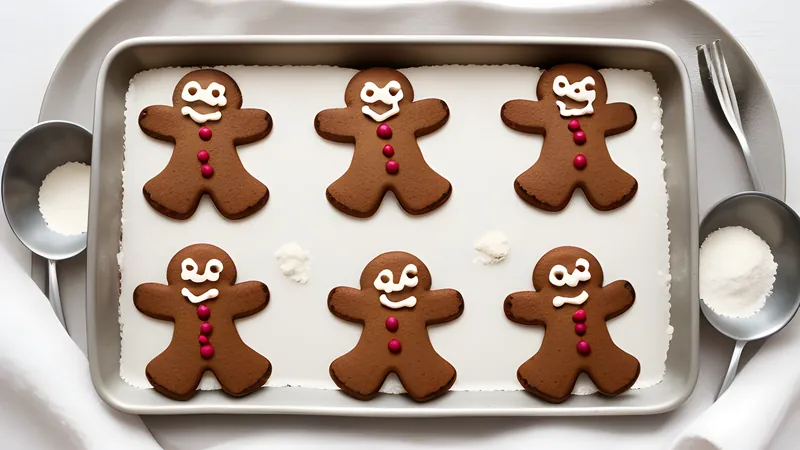
- Whisk the icing sugar with just enough water or lemon juice to make a thick pipeable icing, spoon into a small bag, snip the tip and decorate the cooled biscuits.
An old biscuit with a long memory
Gingerbread is genuinely ancient. Ginger reached Europe along the medieval spice routes and was one of the most prized and expensive imports of the age, and by the time of the Crusades it was well established in English kitchens. Shaped, decorated gingerbread became a fixture of medieval fairs, so much so that “gingerbread fairs” were a thing, and gilded gingerbread was sold as a token and a treat. The gingerbread man specifically is usually credited to the court of Elizabeth I, whose kitchens are said to have moulded gingerbread figures in the likeness of visiting dignitaries, which is a wonderfully petty use of a royal kitchen.
The reason gingerbread keeps and travels so well, and the reason it turns up as fairground food and Christmas decoration across northern Europe, is its ingredients. Treacle and syrup are hygroscopic, holding moisture, and the high spice content and sugar act as preservatives. This is a biscuit built to last on a market stall, which is also why a well-made batch will happily sit in a tin for a fortnight and stay good. Its cousins run right across the continent, from German Lebkuchen to the spiced Dutch and Belgian biscuits that gave us speculoos with brown sugar and spice; they share a lineage and a spice cupboard.
Getting the texture and the shapes right
Whether your gingerbread men come out crisp or soft is mostly down to thickness and time. Rolled to four millimetres and baked until the edges just darken, these are snappy with a slight chew; roll them thicker or pull them a minute early and they are softer and more cakey. Both are good, so bake to your own taste, but be consistent within a batch so they cook evenly.
The two enemies of a clean shape are warm dough and skipped chilling. The dough must be properly firm before you roll it, and the cut-out shapes benefit enormously from ten minutes in the fridge or freezer on the tray before they go in the oven. Cold butter spreads less, so the little men keep their arms and legs distinct instead of melting into blobby starfish. Flour your surface and cutter lightly but do not be heavy-handed, as too much flour worked in makes the biscuits dry and pale.
One quiet detail: the dough should be mixed while the spiced butter is still warm, so it comes together as a soft, workable mass, but not hot, or it will start cooking the egg. Warm to the touch, no more. Freshly ground spices are worth the small effort here, too. Ground ginger and cinnamon lose their punch fast once opened, and a jar that has sat at the back of the cupboard for two years is a common reason gingerbread tastes of nothing. Buy small, buy often, and if you can grind your own cloves and pepper just before using them, the biscuits gain an aromatic lift that pre-ground jars simply cannot match. This is a recipe that rewards good spice more than almost any other in the biscuit tin, because there is nowhere for tired flavours to hide.
Icing, storage and variations
A simple water or lemon icing, whisked thick enough to hold a piped line, is all these need; the biscuit is the star and the icing is punctuation. If you want the icing to set hard and glossy for hanging on a tree, use royal icing made with egg white or meringue powder instead. Baked and un-iced, the biscuits keep in an airtight tin for up to two weeks and the flavour deepens; iced, eat within a week. The raw dough freezes well for three months, and you can even freeze the cut shapes ready to bake from frozen with a minute or two added. It is worth making a double batch while you are at it, because the dough keeps for days in the fridge and the biscuits vanish faster than any other in this house. Roll and cut what you need, and keep the rest wrapped for a second, easier bake later in the week when the oven is already on for something else.
For variations, a teaspoon of cocoa deepens the colour and flavour towards a darker gingerbread, and a pinch of cardamom or a little orange zest both suit the spice mix beautifully. If you want the same warming spice in a soft, sticky cake rather than a crisp biscuit, the sticky ginger cake with lemon icing is the natural next bake, and for a jammy, iced sandwich biscuit in the same teatime family, the empire biscuits with jam and icing are worth a look. But start here, with the spices bloomed in brown butter and a proper grind of pepper, and you will make gingerbread men that adults quietly steal off the cooling rack.
Related Content